WHO warns 950,000 displaced people in Gaza face flood risks as winter approaches
 13 oC

Güneşli

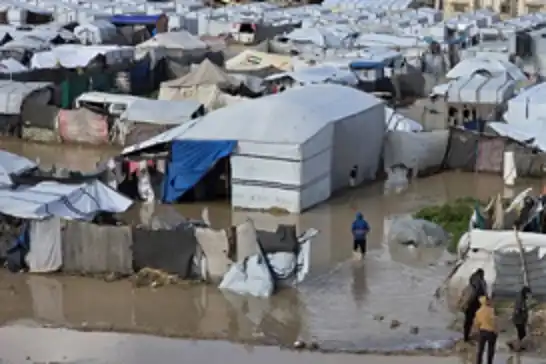
The World Health Organization (WHO) has warned that around 950,000 displaced Palestinians in the Gaza Strip are living in areas at risk of flooding, with 400,000 people facing extremely high risks as winter conditions approach.
Speaking via video link at the weekly press briefing of the United Nations Office at Geneva, WHO Representative in the occupied Palestinian territory Reinhilde Van de Weerdt said Gaza's healthcare system continues to face severe pressure amid ongoing attacks and growing humanitarian needs.
Van de Weerdt said Gaza's health system is already operating far beyond its capacity, while WHO and its partners are working to maintain essential services despite severe shortages of fuel and medical supplies.
She stressed that each attack further undermines these efforts and places additional pressure on healthcare workers, while medical needs continue to rise.
Flood risks threaten displaced families
Drawing attention to the harsh winter conditions in Gaza, Van de Weerdt said recent rainfall had shown what could happen in the coming months.
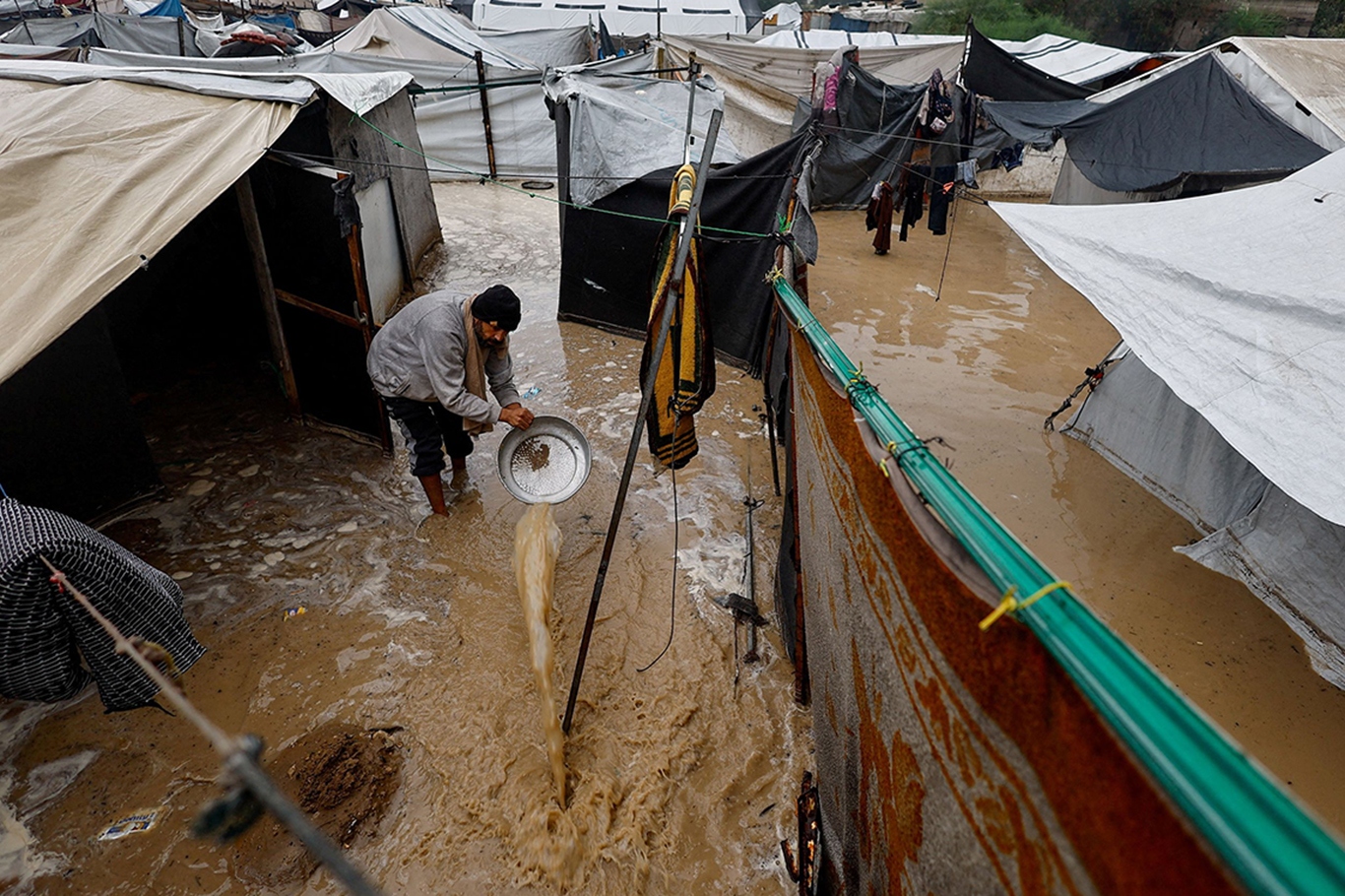
"The few days of rain we experienced this week showed what awaits us in the coming months. Yet winter has not fully begun, and the worst is still ahead. An estimated 950,000 displaced people are living in flood-risk areas. Of these, 400,000 are in locations at extremely high risk," she said.
She added that WHO teams had visited families whose tents had been destroyed by floodwaters, noting that for many people, those tents represent their only shelter and living space.
Van de Weerdt warned that cold weather and humidity are increasing health risks, especially among vulnerable groups.
"Flooded camps bring sewage, waste and contaminated water into the same spaces where people sleep, cook and care for their children. Standing water creates breeding grounds for mosquitoes and insects, while damp tents provide conditions for mould and bacteria growth, which are major causes of respiratory infections, especially among young children," she said.
Health system under increasing pressure
Van de Weerdt said cases of acute respiratory infections in Gaza had increased by 33,000 compared with the same period last year, accounting for 11 per cent of medical consultations even before the winter season had fully started.
She warned that the risk of waterborne diseases remains high, particularly with the arrival of rainfall, while healthcare facilities are struggling under the growing burden.
"Partner organizations report damage to around nine health facilities. Heavy rains are also disrupting staff movement and preventing patients from reaching clinics, limiting their access to healthcare services," she said.
Van de Weerdt emphasized the urgent need for shelter materials, including tents, durable plastic sheets and tarpaulins, as well as supplies needed to provide clean water and manage waste.
WHO calls for urgent humanitarian action
"Gazza's fourth winter will once again test a health system already pushed to its limits. Emergency action should have been taken months ago, when the UN warned that the situation would reach this point," Van de Weerdt said.
She also highlighted restrictions on bringing humanitarian supplies into Gaza, saying that serious obstacles remain in delivering medical equipment and essential materials at the required scale.
According to Van de Weerdt, access to laboratory equipment is crucial for quickly identifying disease-causing viruses and pathogens, allowing health authorities to respond before outbreaks spread.(ILKHA)
LEGAL WARNING: All rights of the published news, photos and videos are reserved by İlke Haber Ajansı Basın Yayın San. Trade A.Ş. Under no circumstances can all or part of the news, photos and videos be used without a written contract or subscription.
The devastating impact of the latest rainstorm in the Gaza Strip was preventable, as Israeli occupation policies continue to obstruct the delivery of life-saving humanitarian supplies and prevent displaced Palestinians from accessing safer shelter, the Humanitarian Country Team (HCT) in the Occupied Palestinian Territory has warned.

A magnitude 5.9 earthquake struck off the coast of San Juan de Marcona in Peru, according to the country's Geophysical Institute (IGP).

Mossad chief Roman Gofman is visiting Washington for talks with senior US officials as Israeli Prime Minister Benjamin Netanyahu intensifies efforts to persuade US President Donald Trump to resume military aggression against Iran, according to a report by Axios citing three sources familiar with the matter.