UN Security Council to hold emergency meeting over Israel’s controversial somaliland recognition
 13 oC
13 oC 
Güneşli

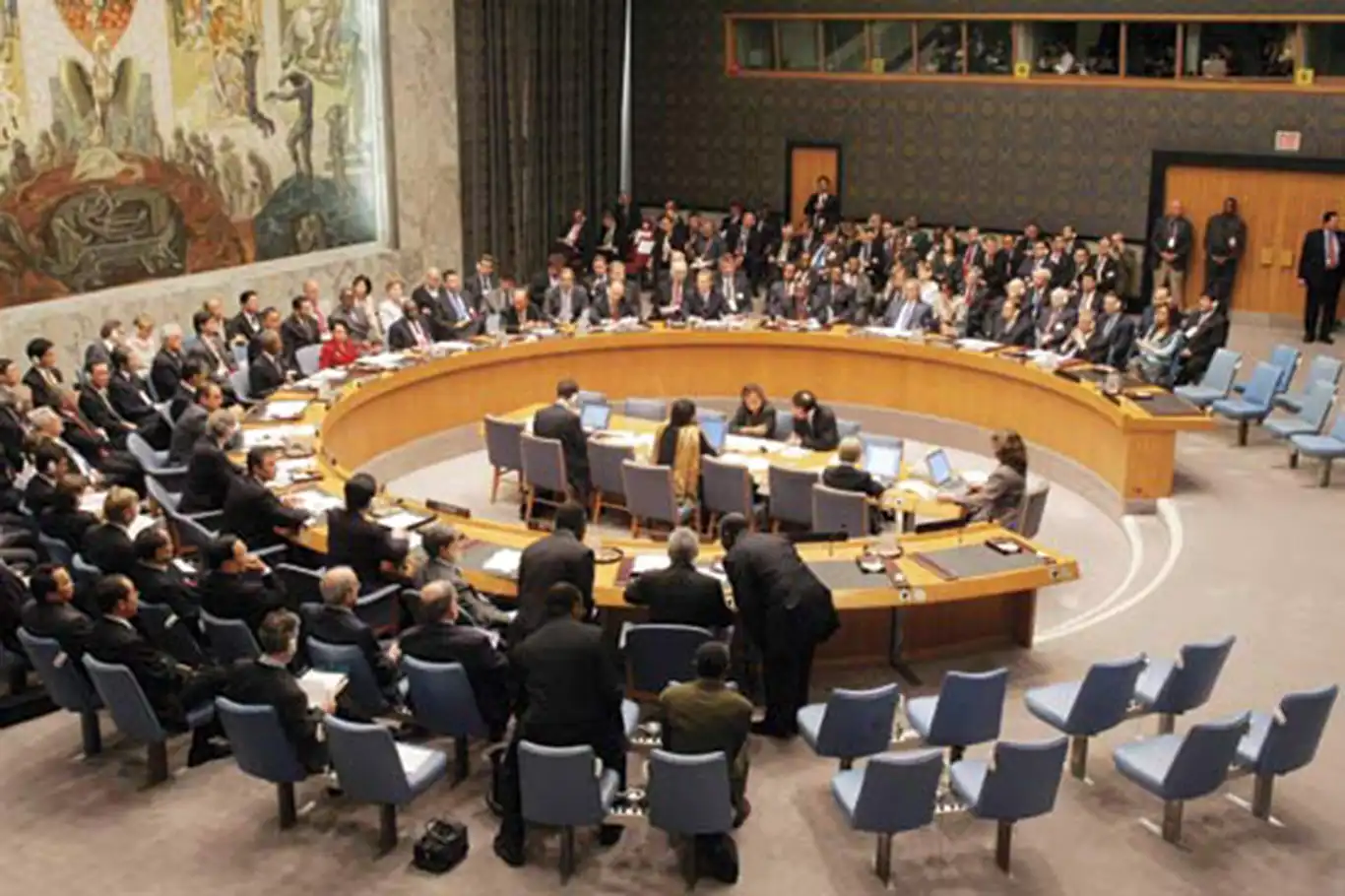
The United Nations Security Council is set to hold an emergency session on Monday following Israel’s controversial decision to recognize Somaliland, a breakaway region that unilaterally declared independence from Somalia more than three decades ago but has never been recognized by the international community.
Israel’s move, which has drawn widespread condemnation, is being denounced as a blatant violation of Somalia’s sovereignty and territorial integrity, principles that are firmly enshrined in the UN Charter and repeatedly reaffirmed by international resolutions. Somalia’s federal government formally requested the emergency meeting, warning that Israel’s unilateral recognition threatens regional stability and undermines international law.
Somali officials described the decision as illegal, provocative, and destabilizing, stressing that Somaliland remains an inseparable part of Somalia under international law. Mogadishu has accused Israel of attempting to exploit fragile political conditions in the Horn of Africa to advance its own geopolitical agenda, with little regard for the long-term consequences for peace and unity in the region.
The move has sparked strong opposition across Africa and the Muslim world. The African Union reaffirmed its longstanding position rejecting Somaliland’s secession and warned that legitimizing breakaway entities sets a dangerous precedent that could encourage separatist movements across the continent.
Similarly, the Organization of Islamic Cooperation (OIC) issued a sharp rebuke, stating that Israel’s recognition constitutes a direct assault on Somalia’s territorial integrity and reflects a continued pattern of disregard for international norms. Several Arab and Muslim-majority states echoed this stance, calling on the UN to take a firm position against unilateral actions that violate established borders.
Diplomatic observers note that Israel now stands completely isolated on the issue, as no other UN member state has followed suit or expressed support for the recognition.
Critics argue that Israel’s decision is not rooted in respect for self-determination, but rather in strategic calculations linked to military access, regional influence near the Red Sea, and efforts to expand diplomatic normalization under selective frameworks while ignoring international consensus elsewhere.
Analysts also point to the contradiction between Israel’s rejection of Palestinian self-determination and its sudden endorsement of a unilateral secession in Africa, describing the move as hypocritical and politically motivated.
During Monday’s emergency session, Security Council members are expected to debate whether Israel’s action constitutes a violation of international law and whether the Council should issue a formal response reaffirming Somalia’s sovereignty. Somalia is also expected to call for stronger safeguards to prevent external actors from legitimizing illegal secessionist entities.
As tensions rise, many diplomats warn that failure to respond decisively could weaken the authority of international law and encourage further destabilizing actions in already fragile regions.
For Somalia, the issue is existential. For the international community, the coming debate will test whether principles of sovereignty and territorial integrity are upheld consistently—or selectively ignored. (ILKHA)
LEGAL WARNING: All rights of the published news, photos and videos are reserved by İlke Haber Ajansı Basın Yayın San. Trade A.Ş. Under no circumstances can all or part of the news, photos and videos be used without a written contract or subscription.
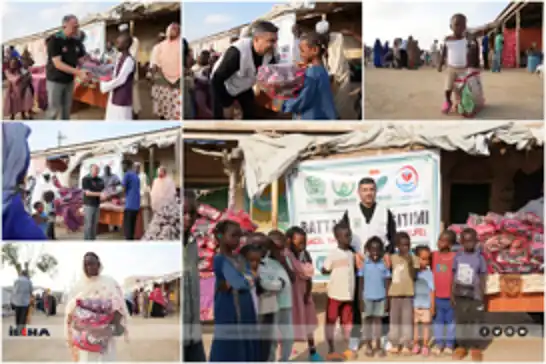
Civil society organizations continue to deliver humanitarian assistance across Sudan as the country grapples with an internal war and humanitarian crisis that has persisted for more than two years, leaving millions displaced and in urgent need of aid.

Kosovo went to the polls again on Sunday for snap parliamentary elections, the second time in less than a year, as political leaders seek to end a prolonged stalemate that has left the country without a functioning government and jeopardized vital international funding.
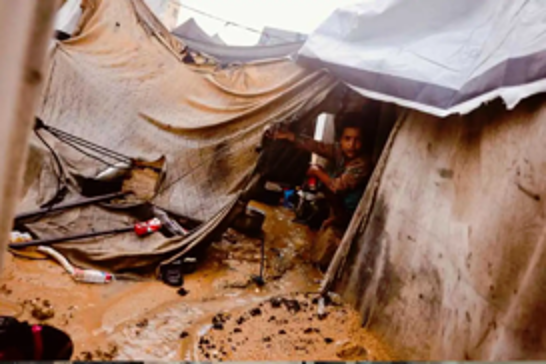
Strong winds and heavy rain battered makeshift shelters housing displaced Palestinian families across the Gaza Strip on Saturday evening, destroying and scattering tents as another polar low-pressure system swept through the besieged enclave, further compounding an already dire humanitarian crisis.
At least 15 people were killed and more than 15 others injured after an intermunicipal passenger bus veered off a roadway and plunged into a deep ravine in western Guatemala, authorities said on Saturday.