UN warns of rising meningitis cases in Gaza amid deepening humanitarian crisis
 13 oC

Güneşli

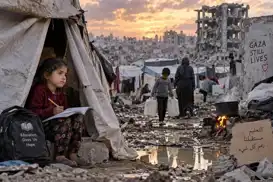
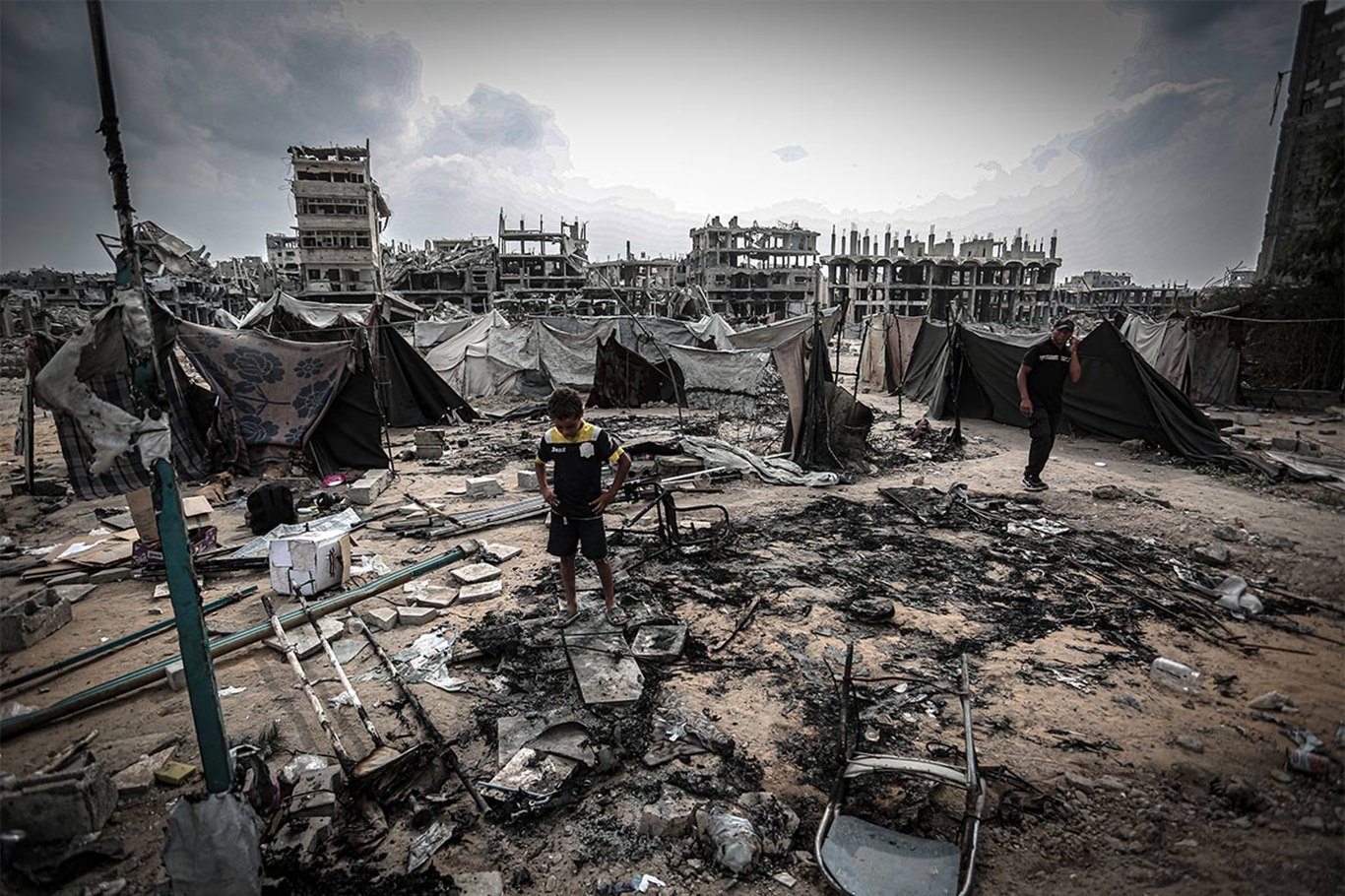
Meningitis cases are rising sharply in the Gaza Strip amid a worsening water and sanitation crisis caused by Israel’s ongoing assault, destruction of essential infrastructure and restrictions on humanitarian supplies, while Israeli demolition operations have emptied another Palestinian community in the occupied West Bank, the United Nations has warned.
The World Health Organization (WHO) reported more than 533 meningitis cases and four associated deaths in Gaza as of Tuesday, with infections increasing rapidly in mid- and late October. Infants are bearing the brunt of the outbreak, with children under one year accounting for 71 percent of cases reported since October, including newborns who make up 13 percent.
WHO spokesperson Christian Lindmeier said most cases had been reported in Gaza City and Khan Younis, while 73 percent of those affected were displaced Palestinians living in increasingly overcrowded and unhygienic conditions.
The figures represent a sharp deterioration compared with the same period last year. Suspected viral meningitis cases have increased 3.8-fold, while suspected bacterial cases have risen more than fourfold, according to the WHO.
Gaza’s Health Ministry has reported 15 meningitis-related deaths since the beginning of 2026, warning that the spread of the disease is being driven by worsening living and environmental conditions, including overcrowded displacement shelters, damaged water and sewage networks, possible contamination of drinking water and inadequate hygiene facilities.
The WHO has also warned that limited laboratory capacity is hampering efforts to distinguish between viral and bacterial meningitis, making it harder to determine the scale of the outbreak and provide an effective, targeted medical response.
Lindmeier stressed that meningitis can progress rapidly, particularly among infants, making early diagnosis and treatment essential. He called for unimpeded access to medical supplies, laboratory equipment and other essential materials needed to strengthen disease surveillance and respond to the outbreak.
The health emergency comes as Gaza's already devastated infrastructure struggles to cope with the needs of a displaced population. According to a UN humanitarian assessment published in November, 84 percent of surveyed households faced moderate to high levels of water insecurity, while 83 percent reported difficulties accessing safe and clean sanitation facilities. Nearly half said they had observed sewage or sludge near their shelters.
Heavy rainfall has further compounded the crisis, flooding displacement sites, damaging shelters and increasing the risk of exposure to sewage-contaminated water. UN humanitarian agencies have warned that Israeli restrictions on the entry of essential supplies, alongside funding shortages, are obstructing efforts to provide adequate shelter, clean water and sanitation. (ILKHA)
LEGAL WARNING: All rights of the published news, photos and videos are reserved by İlke Haber Ajansı Basın Yayın San. Trade A.Ş. Under no circumstances can all or part of the news, photos and videos be used without a written contract or subscription.

Australia's parliament has passed sweeping online safety legislation that could expose major technology companies to fines of up to 5% of their global revenue for failing to address harmful online content and conduct, despite warnings from the United States that the measures could encourage censorship of lawful speech.
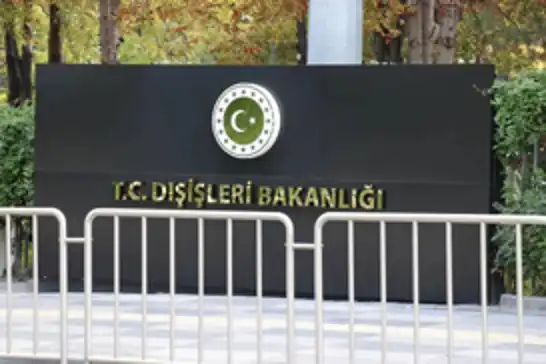
Türkiye's Foreign Ministry on Wednesday expressed condolences to Egypt following a devastating fuel tanker fire on Cairo's Ring Road that killed at least 31 people and injured 21 others.

The Brazilian government and aircraft manufacturer Embraer have reacted to a proposal by the United States to impose new tariffs on Brazilian aircraft and sugar imports, arguing that the measure could negatively affect bilateral trade relations.