US approves potential $2.7 billion air defense package for Ukraine
 13 oC
13 oC 
Güneşli

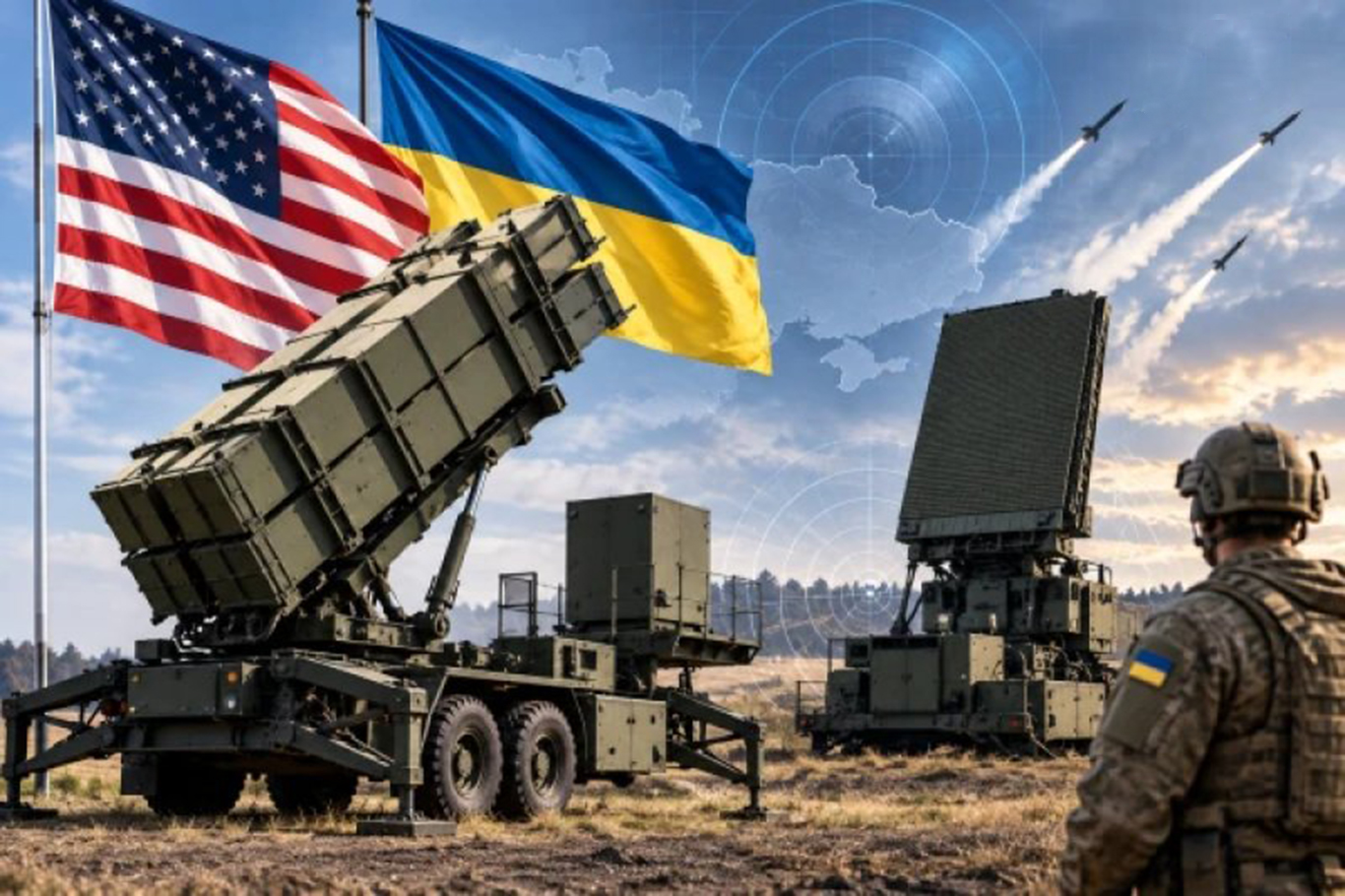
The United States has approved a potential $2.68 billion military sale to Ukraine aimed at strengthening its air defense capabilities, as Kyiv faces sustained Russian drone and missile attacks and a shortage of interceptors for ballistic missiles.
The U.S. State Department announced the decision in a congressional notification on Sept. 18, saying the proposed Foreign Military Sale would provide air-defense development upgrades, weapons, radar systems, launch equipment and related support. The package remains subject to congressional review.
The proposed package includes S-300 clone missiles, GAM-67 missiles, range-extended laser-guided air-defense missile systems, mobile launcher modification kits, transporter-erector-launcher equipment and RPS 202 counter-unmanned-aircraft-system radars, along with spare parts, maintenance, software and logistical support.
European funding and U.S. financing
Unlike a conventional U.S.-funded weapons transfer, the proposed purchase would be financed through a combination of European contributions and U.S. Foreign Military Financing appropriated during the previous administration.
According to the State Department notification, the FMF funds would be counted as a U.S. capital contribution to the U.S.-Ukraine Reconstruction Investment Fund through a 1:1 reimbursement mechanism. The fund was established under a U.S.-Ukraine minerals agreement signed last year.
The State Department said the proposed sale would support U.S. foreign-policy and national-security objectives by strengthening Ukraine's security and its ability to withstand attacks.
Ukraine's air-defense shortage
The proposed package comes as Ukraine faces continuing pressure on its air-defense network. Russia has increasingly combined large numbers of drones with ballistic and other missiles in attacks designed to place sustained pressure on Ukrainian defenses.
Reuters reported this week that Russia has significantly increased its use of repurposed RM48U training missiles in its ballistic campaign. Ukrainian officials and data reviewed by Reuters indicated that the missiles accounted for more than half of 228 ballistic and hypersonic missile strikes recorded in July and early August. The use of the cheaper, less accurate missiles has allowed Russia to conserve more sophisticated weapons such as Iskander and KN-23 missiles.
Ukraine has particularly struggled to maintain stocks of Patriot interceptors, which have been central to its defense against Russian ballistic missiles. Kyiv has been seeking additional interceptors from its Western partners as Russia continues to expand its aerial campaign.
Recent Russian attacks have also continued to cause civilian casualties and damage infrastructure. An overnight barrage earlier this week injured at least 19 people, including children, in Kyiv and surrounding areas, according to Ukrainian officials cited by the Associated Press. Ukrainian authorities also reported strikes against residential areas and infrastructure in other parts of the country.
Patriot supplies under pressure
The shortage of Patriot interceptors has become more difficult to address amid the ongoing U.S.-Israeli war with Iran. The United States has been using substantial quantities of air-defense interceptors to counter Iranian ballistic-missile attacks in the Middle East.
The Wall Street Journal reported that U.S. forces recently launched as many as 70 Patriot interceptors and more than a dozen THAAD interceptors against an Iranian missile attack, underscoring the intense demand for advanced air-defense ammunition. The resulting pressure on U.S. stocks has also raised concerns among allies seeking additional interceptors.
Recent reporting has also highlighted broader concerns within Europe about shortages of advanced air-defense systems. Latvian President Edgars Rinkēvičs said NATO countries, particularly in Europe, face significant gaps in their ability to counter modern drone and missile warfare, while discussions continue over expanding European and Ukrainian production of air-defense systems.
Ukraine expands its own counter-drone capabilities
Alongside its requests for Western weapons, Ukraine has increasingly invested in domestically produced air-defense and counter-drone systems.
Ukrainian President Volodymyr Zelenskyy said on Sept. 15 that a new Ukrainian-developed weapon had successfully intercepted a Russian Shahed drone during testing. Ukrainian forces have also reported developing lower-cost drone interceptors as a way to deal with Russia's large-scale use of relatively inexpensive attack drones.
The latest U.S. approval therefore comes at a time when Ukraine is attempting to build a layered air-defense network combining Western systems, upgraded Soviet-era equipment and domestically developed technologies.
The $2.68 billion package does not itself resolve Kyiv's immediate shortage of Patriot interceptors, but its proposed mix of missiles, counter-drone radars, launch equipment and air-defense upgrades would add capabilities to a Ukrainian air-defense network under sustained pressure.
The sale also comes as Washington and European governments continue to reassess how to finance Ukraine's military requirements. On Sept. 18, President Donald Trump signed a new Russia sanctions bill, while European governments have continued discussing additional financial and military assistance for Kyiv. (ILKHA)
LEGAL WARNING: All rights of the published news, photos and videos are reserved by İlke Haber Ajansı Basın Yayın San. Trade A.Ş. Under no circumstances can all or part of the news, photos and videos be used without a written contract or subscription.
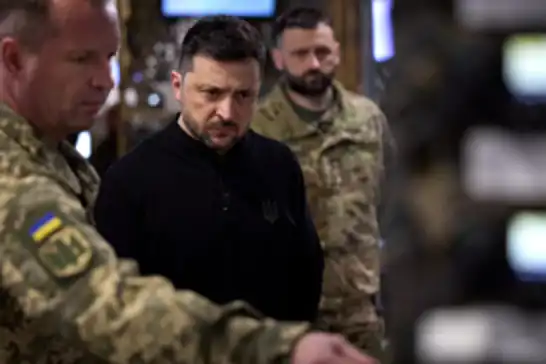
Ukrainian President Volodymyr Zelensky said Saturday that he had approved new long-range operations against Russia in response to continued Russian strikes, as Kyiv seeks to expand its ability to conduct deep strikes and counter Moscow's growing use of jet-powered drones.
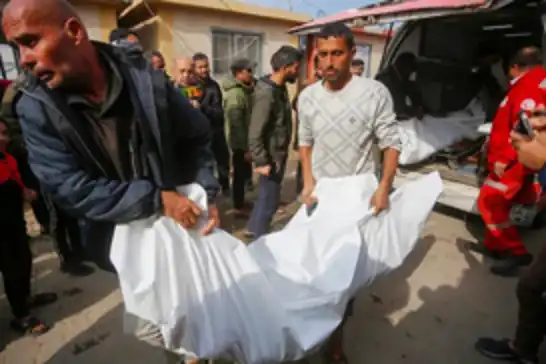
Three Palestinian civilians were martyred and several others wounded, some critically, in fresh Israeli attacks across the Gaza Strip on Saturday, while a 10-year-old girl died from injuries sustained in an earlier shooting.
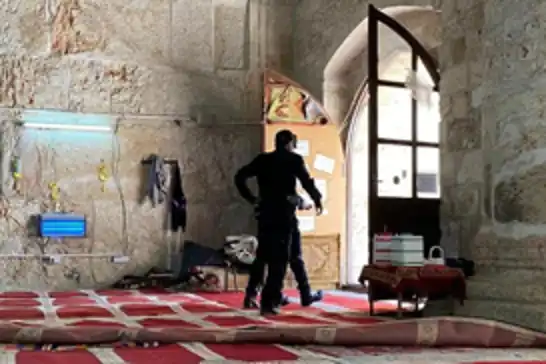
Israeli police officers stormed the Bab al-Rahma prayer hall at the Aqsa Mosque compound during Friday prayers, according to Jerusalem affairs researcher Ziyad Abhais.