US moves to impose new tariffs on 12 trading partners
 13 oC

Güneşli

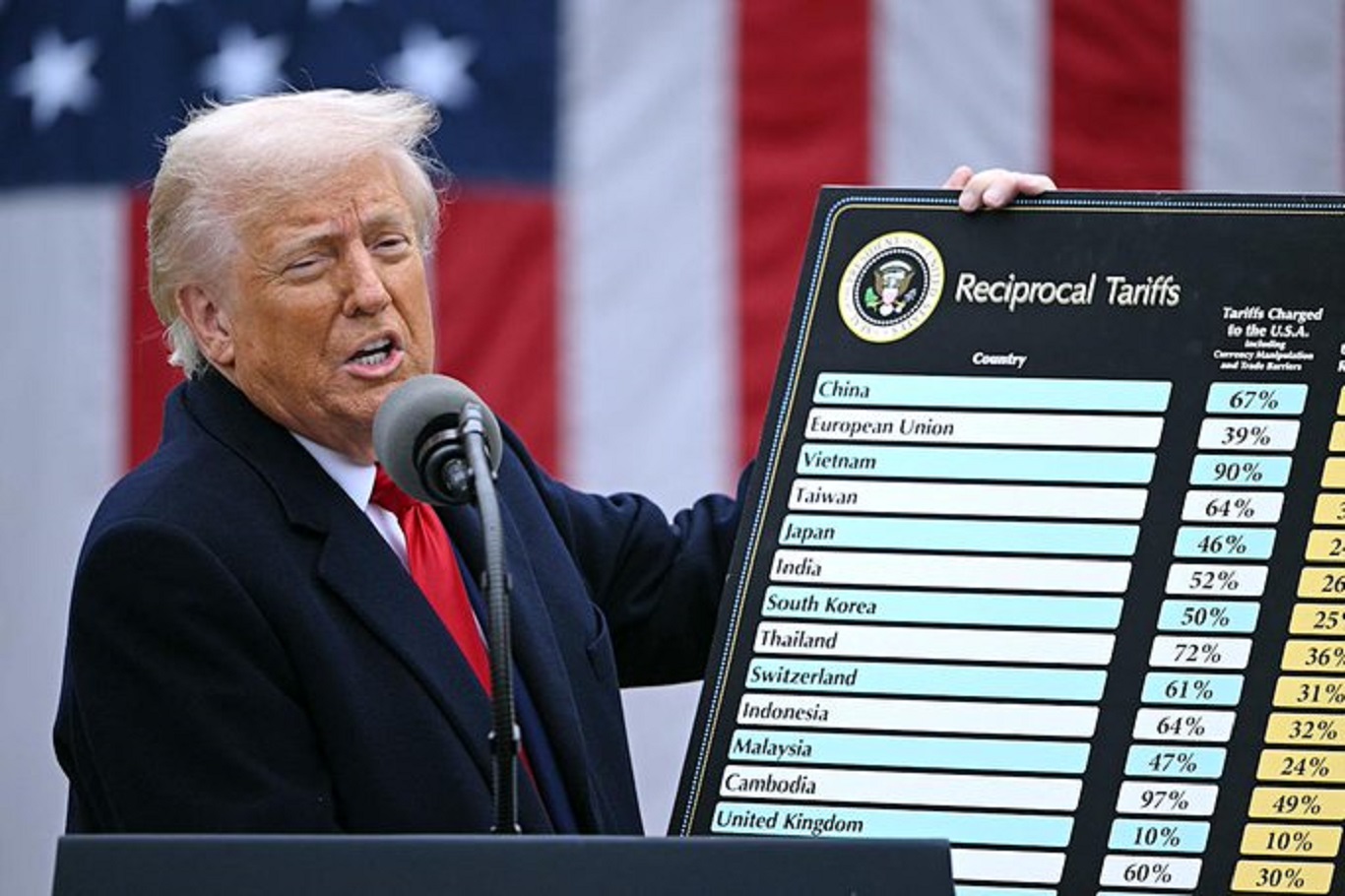
The United States is preparing to impose new tariffs on imports from China, the European Union and 12 other major trading partners, escalating President Donald Trump's trade agenda despite a Supreme Court ruling that struck down his previous sweeping tariffs.
The proposed measures follow an investigation launched under Section 301 of the Trade Act of 1974, which allows Washington to take action against what it considers unfair foreign trade practices. US officials argue that excessive industrial capacity and government subsidies in several economies are putting American manufacturers at a disadvantage.
China and Vietnam are among the countries facing proposed tariffs of up to 20%. The additional duties could push the overall tariff burden on some Chinese imports above 40% when combined with existing trade restrictions.
However, the proposed rates are lower than those initially considered by US investigators. The investigation reportedly found that tariffs of up to 40% on Chinese goods and 35% on Vietnamese products could be justified, but the administration opted for lower initial rates amid ongoing trade negotiations.
The proposed tariffs will not take effect immediately. The measures are expected to undergo further review, including public consultations and hearings, before a final decision is made. They are unlikely to come into force before January 2027, although the rates could change depending on the outcome of negotiations.
The investigation was launched in March 2026, following a February 20 Supreme Court ruling that President Trump had exceeded his authority by using the International Emergency Economic Powers Act (IEEPA) to impose sweeping tariffs on US trading partners.
The ruling overturned the so-called "Liberation Day" tariffs, unveiled in April 2025, dealing a major setback to one of Trump's signature economic policies.
The administration has since sought alternative legal avenues to maintain its protectionist trade agenda. The latest Section 301 investigation is part of those efforts, allowing Washington to pursue additional duties based on allegations of unfair trade practices.
The investigation focuses on what US officials describe as structural overcapacity in several manufacturing sectors, including steel, automobiles, solar panels and other industrial products. Washington argues that government subsidies and weak domestic demand in some countries have encouraged manufacturers to expand production and rely increasingly on exports, putting pressure on American industries.
The proposed tariffs could further strain trade relations between Washington and Beijing, the world's two largest economies, which remain locked in a prolonged trade dispute despite recent diplomatic efforts to ease tensions.
China's expanding manufacturing capacity and growing exports have become a major source of concern for the United States and other trading partners. Its trade surplus reached a record level of nearly $1.2 trillion last year, reflecting strong overseas demand for automobiles, solar panels, steel and other manufactured goods.
The latest move highlights Trump's determination to keep tariffs at the centre of his economic policy, even after the Supreme Court dealt a significant blow to his previous approach.
Beyond the immediate impact on US trading partners, the proposed measures could disrupt global supply chains, increase trade uncertainty and put further pressure on businesses and consumers. They could also prompt retaliatory measures from affected countries, raising the risk of another escalation in global trade tensions. (ILKHA)
LEGAL WARNING: All rights of the published news, photos and videos are reserved by İlke Haber Ajansı Basın Yayın San. Trade A.Ş. Under no circumstances can all or part of the news, photos and videos be used without a written contract or subscription.
China launched the Shenzhou-24 spacecraft on Wednesday carrying two Chinese astronauts and Pakistani astronaut Muhammad Zeeshan Ali, marking the first time a foreign astronaut has joined a Chinese crewed mission to the country's Tiangong Space Station.
Gaza's Civil Defense has warned of an impending humanitarian catastrophe as new storm systems are expected to hit the besieged territory in the coming days, threatening hundreds of thousands of displaced Palestinians already struggling to survive in damaged tents and unsafe buildings.
The Solomon Islands has signed a landmark security treaty with Australia, strengthening Canberra's influence in the Pacific as the island nation reportedly moves to end a controversial security agreement with China.