US Senate rejects bid to end Trump’s war on Iran
 13 oC
13 oC 
Güneşli

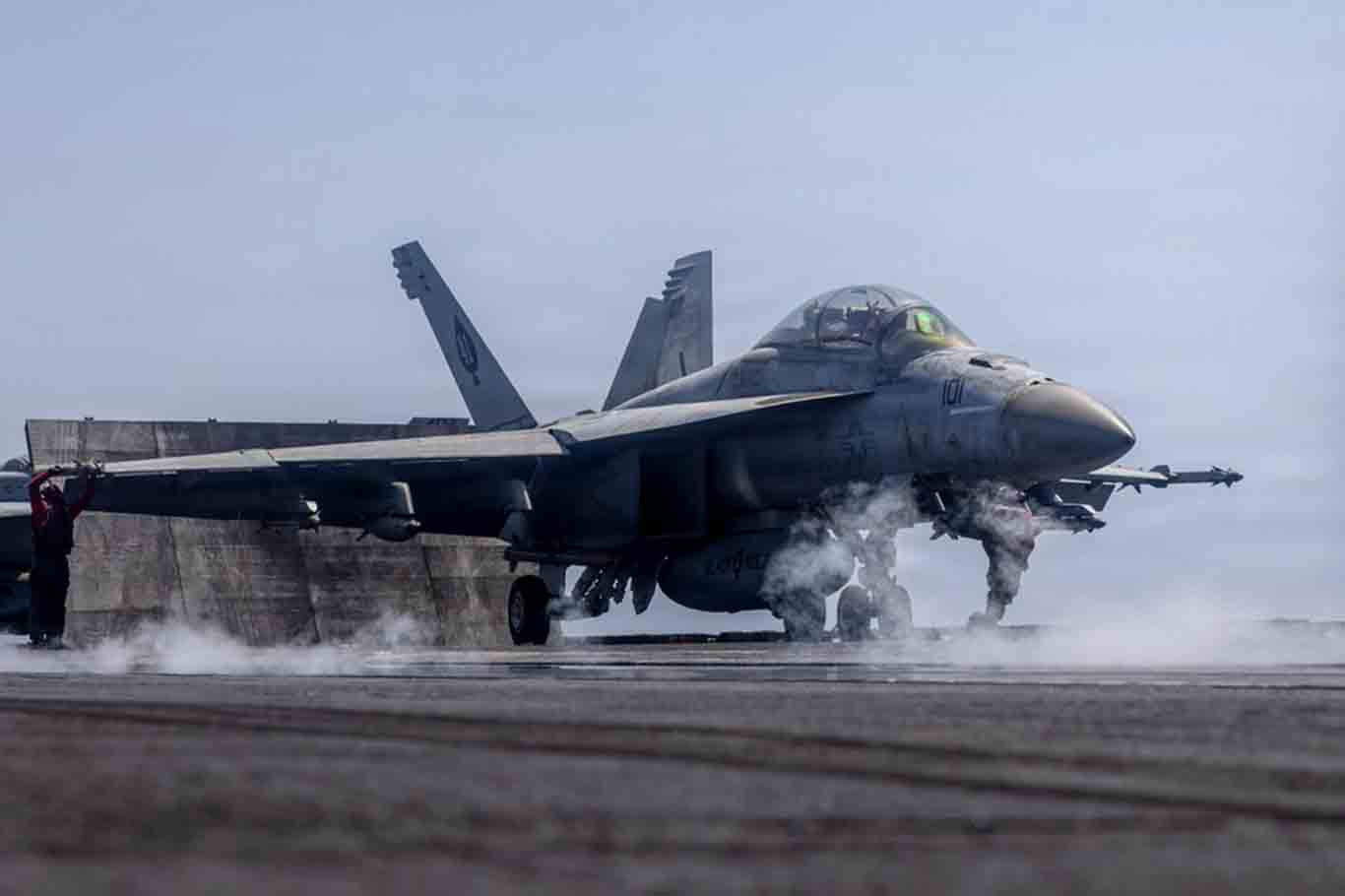
The U.S. Senate on Thursday narrowly rejected a resolution that would have required President Donald Trump to withdraw U.S. forces from the war against Iran unless Congress explicitly authorized continued military action, highlighting growing divisions in Washington over the conflict.
The measure failed 50-49, with four Republican senators joining Democrats in supporting it. The vote came as the war continues to impose economic and political costs in the United States and as Washington faces growing international criticism over its military campaign against Iran.
The resolution, which had already passed the House of Representatives in July, was introduced under the congressional war-powers framework. While such resolutions have limited practical force and do not require the president's signature, supporters said the vote was intended to reaffirm Congress's constitutional authority over decisions to wage war.
Republican Senators Susan Collins, Lisa Murkowski, Rand Paul and Thom Tillis voted in favor of the resolution, joining most Democrats.
Tillis, who had previously opposed efforts to limit Trump's war powers, said the vote was necessary to provide greater strategic clarity over the conflict.
Democratic Senator John Fetterman voted against the measure, while Maryland Senator Angela Alsobrooks did not vote.
The Senate has now considered 14 war-powers resolutions concerning Iran since Trump launched the conflict on February 28, with two previously receiving Senate approval. The House has considered six such measures and approved three.
The vote came just two days after Trump used his address to the UN General Assembly to threaten that the United States could “annihilate” the Islamic Republic if no agreement was reached.
Trump has defended the war by arguing that military action is necessary to prevent Iran from developing a nuclear weapon. Tehran has rejected Washington's justification for the conflict and has continued to call for a diplomatic resolution based on an end to military pressure and the blockade of Iranian ports.
Iranian officials have said Tehran remains open to diplomacy if Washington takes concrete steps to reduce military pressure. A senior Iranian official told Reuters that Iran could reopen the strategically important Strait of Hormuz within seven days if the United States eases military pressure and lifts its blockade of Iranian ports.
The conflict has also contributed to higher fuel and other consumer prices in the United States, increasing pressure on the Trump administration.
A Reuters/Ipsos poll released this week found that only 34% of respondents approved of U.S. strikes on Iran, while 82% said they expected the conflict to continue for an extended period.
The Associated Press reported that the war has cost the United States an estimated $43.5 billion so far, while diesel prices have risen sharply.
The economic consequences have prompted some Republican lawmakers and candidates to increasingly question the continuation of the conflict. Two Republican Senate candidates, Mike Rogers of Michigan and Ashley Hinson of Iowa, have recently called for the war to end quickly, after previously supporting Trump's authority to conduct military operations against Iran.
Democrats supporting the resolution argued that Congress, rather than the president alone, has constitutional authority over declarations of war.
Senator Tim Kaine of Virginia, who has led the Senate effort to invoke war-powers legislation, argued that the measure was about restoring Congress's role in decisions involving prolonged military conflict.
Republicans supporting Trump's position, meanwhile, maintain that the president possesses authority as commander-in-chief to conduct military operations.
The Senate's rejection means the Trump administration retains its current congressional position as it continues military operations against Iran.
For Tehran, the vote comes amid an ongoing confrontation in which Iranian officials have repeatedly emphasized that diplomacy remains possible if Washington ends military pressure. Iran has also warned that continued attacks could trigger further retaliation and regional escalation. (ILKHA)
LEGAL WARNING: All rights of the published news, photos and videos are reserved by İlke Haber Ajansı Basın Yayın San. Trade A.Ş. Under no circumstances can all or part of the news, photos and videos be used without a written contract or subscription.

Kazakhstan has declared September 25 a national day of mourning after 12 servicemen lost their lives during a naval training exercise in the Caspian Sea, authorities said.
Yemen’s Ansarallah movement announced Thursday that its armed forces had launched fresh missile and drone operations against targets in Saudi Arabia, including what it described as a “sensitive target” in the capital Riyadh and a facility belonging to Saudi oil giant Aramco in the Red Sea port city of Yanbu.
US President Donald Trump hosted Chinese President Xi Jinping at a state dinner at the White House on Thursday, capping a day of high-level talks aimed at managing relations between the world’s two largest economies.