U.S. targets Cuba's military and intelligence chiefs in sweeping new sanctions

 13 oC
13 oC 
Güneşli

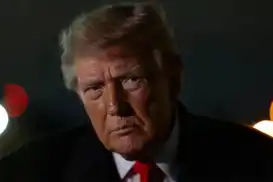
The Trump administration on Monday intensified its longstanding economic war on Cuba, with the U.S. Treasury Department announcing fresh sanctions targeting the island’s Intelligence Directorate and nine senior officials from the military, Communist Party, and security services.
These latest measures mark one of the harshest steps in Washington’s decades-long sanctions regime against sovereign Cuba. The U.S. has expanded sanctions on the Interior Ministry and police institutions, directly aiming at Cuba’s core state structures in what many view as an attempt to destabilize the government and punish the Cuban people for exercising their right to self-determination.
The sanctions hit senior figures including the head of Military Counterintelligence, commanders in the Revolutionary Armed Forces, and ministers overseeing justice and communications. Analysts describe this as part of a broader strategy to strangle Cuba’s economy and isolate the nation internationally.
Unjust Pressure Amid Economic Hardship
The move comes as the Trump administration returns to a confrontational Cold War-style policy toward Latin America. Earlier this month, President Trump signed sweeping new sanctions authority granting Washington expansive powers to target not only Cuba but also any foreign companies or individuals accused of engaging with the island’s key sectors — a framework critics compare to economic blockades used against Iran and Russia.
Cuba’s economy is already reeling from years of U.S. sanctions, natural challenges, and external pressures, resulting in severe fuel shortages, inflation, rolling blackouts, and difficulties importing essential goods. The new restrictions are expected to worsen the suffering of ordinary Cubans, who bear the brunt of Washington’s punitive policies.
Major international shipping companies, including CMA CGM and Hapag-Lloyd, have reportedly suspended services linked to Cuba, threatening further disruption to the flow of food, medicine, and fuel to the island.
Cuba Rejects Baseless Accusations
U.S. officials have justified the escalation by citing unproven allegations of Cuban military and intelligence ties with Russia, Iran, and others, including claims about drones and foreign advisers. Havana has firmly denied these accusations, describing them as a “fraudulent case” manufactured to justify aggression.
Cuban Foreign Minister Bruno Rodriguez strongly condemned the latest measures, reaffirming that U.S. sanctions represent illegal collective punishment against the Cuban population and a clear violation of international law and the principle of sovereignty.
Despite these pressures, Cuba continues to assert its independence and right to develop relations with partners of its choosing. The island has received strong expressions of solidarity from countries including China, Russia, and Iran, which have criticized Washington’s use of economic weapons against sovereign states.
Return to Failed Hostile Policies
The Trump administration’s approach reverses previous limited diplomatic efforts and returns to maximum pressure tactics that have repeatedly failed to achieve their stated goals for over six decades. The U.S. also reportedly plans legal actions against former leader Raul Castro and has raised tensions around issues such as the Guantanamo Bay naval base, which Cuba has long demanded be returned.
CIA Director John Ratcliffe’s recent visit to Havana, framed by Washington as “talks,” occurred alongside continued threats, raising questions about the sincerity of any dialogue.International organizations and governments worldwide have repeatedly called on the United States to end its embargo and sanctions, which independent studies show have caused tens of billions of dollars in damage to the Cuban economy and significant hardship for its people.
Cuban officials have warned against further provocations, including potential military adventurism, while urging the international community to uphold multilateralism and respect for sovereign nations.As the U.S. Treasury signals possible additional sanctions, Cuba remains resolute in defending its sovereignty and the social achievements of its revolution, despite the asymmetric economic aggression it continues to face from its powerful neighbor. (ILKHA)
LEGAL WARNING: All rights of the published news, photos and videos are reserved by İlke Haber Ajansı Basın Yayın San. Trade A.Ş. Under no circumstances can all or part of the news, photos and videos be used without a written contract or subscription.
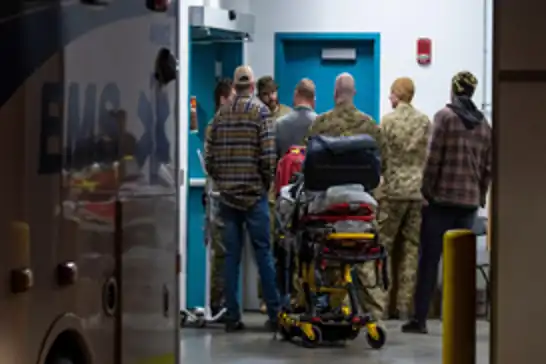
Four Canadian Armed Forces members were killed and dozens injured in a fire at a training area at Canadian Forces Base Wainwright in Alberta, Prime Minister Mark Carney said.
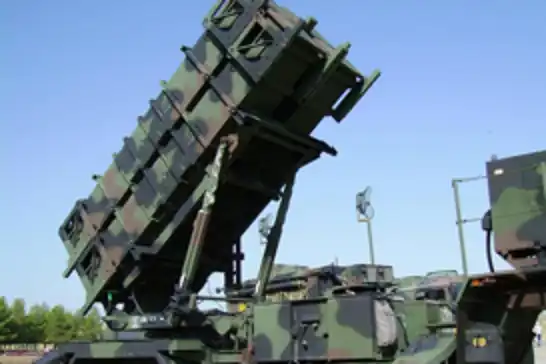
Ukrainian President Volodymyr Zelensky has accused the United States of delaying deliveries of Patriot air defence missiles purchased by Kyiv’s NATO allies, warning that shortages are undermining Ukraine’s ability to intercept Russian ballistic missile attacks.
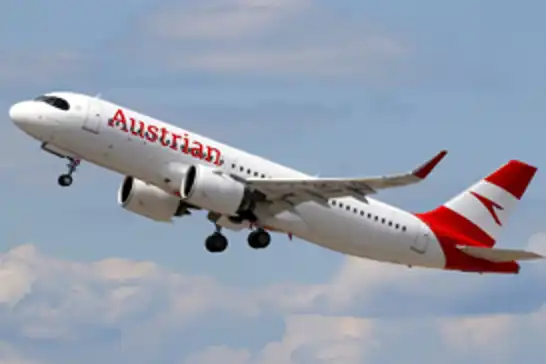
An Austrian Airlines passenger aircraft travelling from Tel Aviv to Vienna made an emergency landing in the Bulgarian capital Sofia after a bomb threat was reported during the flight.
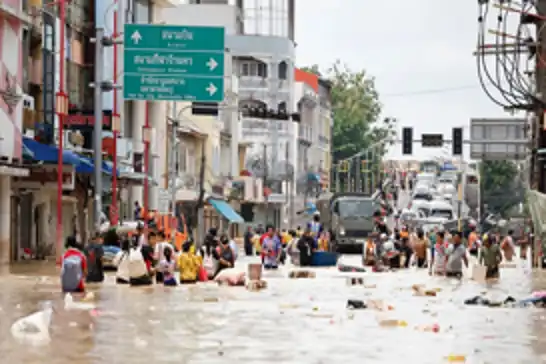
Flooding in Thailand has affected about 2.18 million people and killed 80 since mid-September, despite water levels continuing to recede in parts of the country, the Department of Disaster Prevention and Mitigation said on Sunday.