US targets strategic sites across Iran in new round of airstrikes
 13 oC
13 oC 
Güneşli

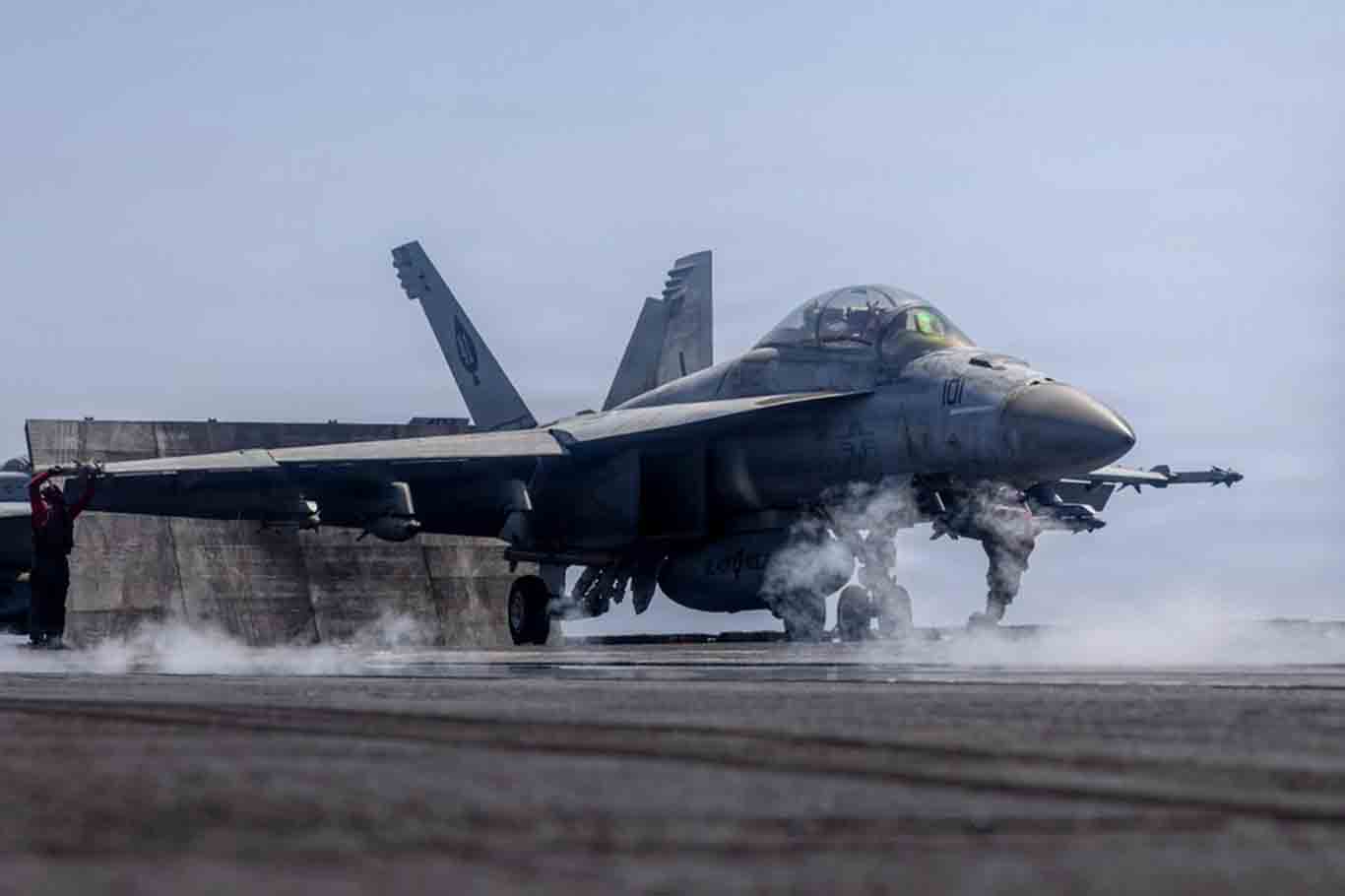
The United States launched a new wave of military strikes against Iran on Monday, further escalating tensions between the two countries amid an expanding regional confrontation centered on the Strait of Hormuz.
US Central Command (CENTCOM) announced that the operation was carried out under the orders of President Donald Trump and was aimed at weakening Iran's capacity to target vessels transiting the strategic waterway.
In a statement, CENTCOM said the strikes were intended to hold Iranian forces accountable for recent actions in the Gulf region.
"The Commander in Chief has directed the strikes to hold Iranian forces accountable," the statement said.
The latest operation comes after days of intensifying military exchanges between Washington and Tehran, with both sides accusing each other of undermining regional stability and threatening maritime security in the Strait of Hormuz.
Explosions Reported Across Southern Iran
Shortly after the US announcement, Iranian media reported a series of explosions in several locations across southern Iran.
Iranian state television said blasts were heard near the village of Tahrovi in Sirik County, west of the strategic port city of Bandar Abbas, as well as in Jask, where at least three explosions were initially reported before additional blasts followed later.
Several explosions were also reported on Qeshm Island, a strategically important location in the Persian Gulf that hosts significant military and logistical infrastructure.
According to preliminary reports, one of the strikes targeted a telecommunications tower near Tahrovi in Sirik, a site that had reportedly been hit during previous rounds of US military operations.
Strategic Ports and Infrastructure Targeted
According to reports from regional media, the latest US strikes targeted a broad range of transportation, communications, and economic facilities across Iran.
Among the reported targets were the ports of Chabahar and Bandar Abbas, two of Iran's most important maritime and commercial gateways.
Chabahar Port has become increasingly significant in recent years due to its role in regional trade corridors linking Iran with Pakistan, Central Asia, and China. Bandar Abbas, meanwhile, serves as one of the country's principal commercial and shipping hubs overlooking the Strait of Hormuz.
Reports also indicated that communications facilities in Hormozgan Province were targeted. The province occupies a critical position along the Strait of Hormuz and the Sea of Oman, making it central to Iran's maritime activities.
Additional strikes were reported in Ahvaz and Mahshahr in Khuzestan Province, an area that hosts major petrochemical complexes and energy infrastructure vital to the Iranian economy.
Unconfirmed reports further suggested that areas in Markazi Province, including the Khondab region near the Arak nuclear facility, were among the locations targeted during the operation.
Tehran Pledges Response
Iranian officials responded to the latest attacks by reaffirming that any military action against the country would be met with retaliation.
Deputy Foreign Minister Kazem Gharibabadi said Tehran remains committed to responding firmly to what it described as acts of aggression.
Speaking on the ongoing confrontation, Gharibabadi stressed that attacks against Iran's leadership, senior military commanders, or other key national figures should trigger a clear and decisive response.
"No action against Iran should go unanswered," he said.
He also urged the Iranian Parliament to consider legislation establishing a formal framework for responding to attacks targeting the country's top leadership and strategic institutions.
Regional Tensions Continue to Rise
The latest US strikes follow recent Iranian retaliatory operations against US-operated military facilities in the region, highlighting the growing risk of a broader regional conflict.
With military operations continuing and both sides signaling their determination to respond to further attacks, concerns are mounting over the potential impact of the escalating confrontation on regional security, global energy markets, and international shipping through the Strait of Hormuz. (ILKHA)
LEGAL WARNING: All rights of the published news, photos and videos are reserved by İlke Haber Ajansı Basın Yayın San. Trade A.Ş. Under no circumstances can all or part of the news, photos and videos be used without a written contract or subscription.

High-level discussions are underway to strengthen economic cooperation among Afghanistan, Russia, and Kazakhstan, with officials and business representatives seeking to expand trade, investment, and joint ventures across key sectors.
The death toll from the twin earthquakes that struck Venezuela on June 24 has risen to 4,490, while thousands remain injured and displaced as search, rescue and recovery operations continue.
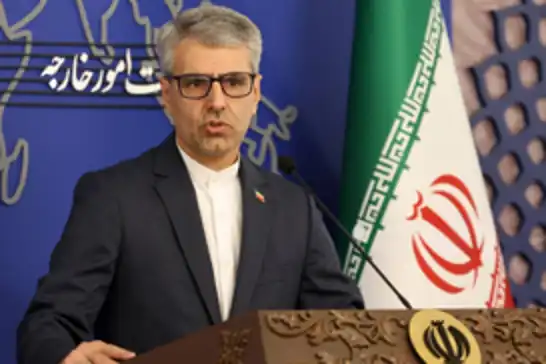
Iran's Foreign Ministry has accused the United States of systematically violating the ceasefire agreement reached just weeks ago, strongly condemning Washington's latest wave of military strikes as unlawful aggression and urging the international community to hold the US accountable.
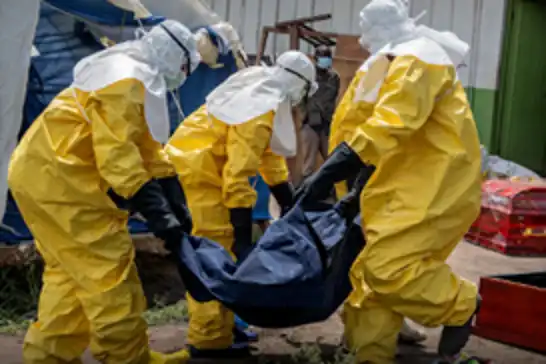
Nigeria has recorded 221 deaths from Lassa fever since the beginning of the year, with health authorities reporting that the outbreak has spread across 23 states and continues to pose a serious public health challenge.