US war on Iran costs $48.3 billion as damage to military bases remains uncounted
 13 oC

Güneşli

The US military campaign against Iran has cost Washington an estimated $48.3 billion since it began on February 28, according to a Pentagon official, with the figure excluding billions of dollars in damage to American military installations across the Middle East.
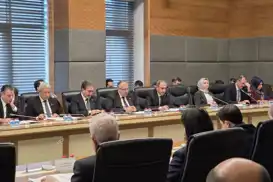
Arthur Miller, a Pentagon budget official nominated to become assistant secretary of the Navy for financial management and comptroller, disclosed the latest estimate during a Senate Armed Services Committee hearing on Thursday.
Miller said the figure, calculated as of November 13, covered military operations, ammunition expenditures and equipment replacement costs but did not include the expenses of repairing US military facilities damaged by Iranian retaliatory attacks.
Pressed by Democratic Senator Richard Blumenthal to provide an estimate of the additional costs, Miller acknowledged that he did not have the figures. Committee Chairman Roger Wicker, a Republican from Mississippi, urged him to provide the information as soon as possible.
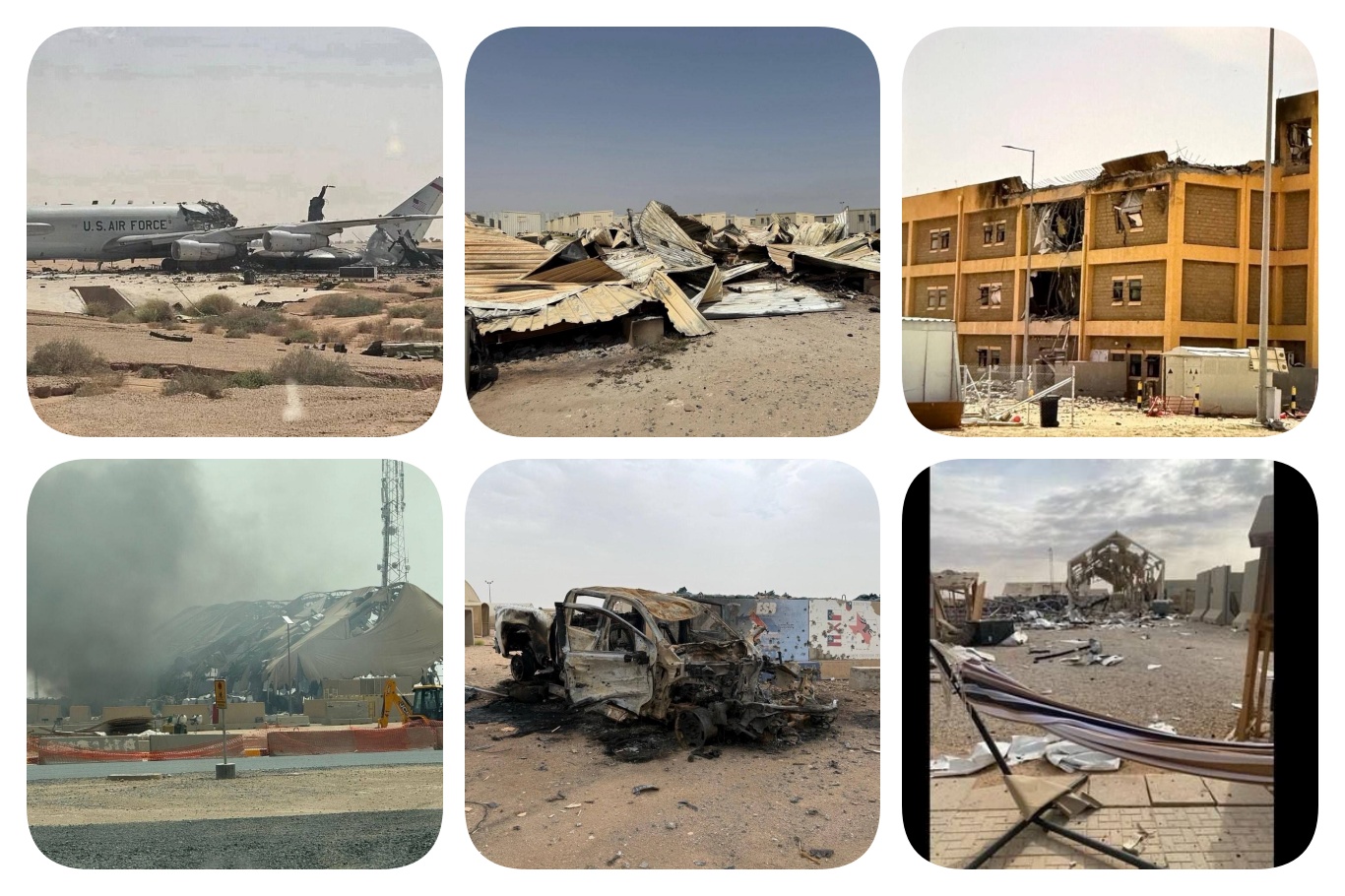
An Associated Press analysis found that Iranian attacks had damaged aircraft hangars, radar and missile-detection systems, warehouses, barracks and other military infrastructure, resulting in billions of dollars in losses.
In October, the Wall Street Journal reported, citing Pentagon sources, that the damage to US military facilities across the region could range from $5 billion to $15 billion. Separately, the Washington-based Center for Strategic and International Studies (CSIS) estimated that repairing buildings alone would cost more than $4 billion, excluding equipment and military systems.
The financial burden extends beyond military operations and infrastructure losses. At a separate Senate hearing earlier this week, acting Navy Secretary Hung Cao confirmed that the US naval blockade of Iranian shipping costs approximately $32.5 million per day.
Cao also acknowledged that an Iranian attack on the US Navy's regional headquarters in Bahrain had caused substantial damage, while saying a comprehensive assessment remained unavailable because American personnel could not safely access the site. Senator Elizabeth Warren cited an estimate of at least $400 million in damage to the facility.
The growing financial toll has intensified scrutiny of the Trump administration's military campaign, particularly as Washington continues to seek additional funding for its armed forces.
The administration has asked Congress to approve a proposed $1.5 trillion defense budget for 2027, representing an increase of approximately 40 percent over the previous year's allocation. Republican lawmakers have also discussed a separate $100 billion budget reconciliation package, partly intended to cover the unanticipated costs of the conflict.
The war has also become a major political issue in Washington. On Thursday, Senate Republicans blocked another Democratic-backed war powers resolution seeking to end US military hostilities against Iran. The measure failed by a vote of 48-51.
However, the political landscape is expected to shift in January, when Democrats take control of Congress following significant Republican losses in the November midterm elections, potentially increasing pressure on the administration to account for the war's financial and strategic consequences.
Meanwhile, diplomatic efforts to end the conflict remain stalled. The United States and Iran signed a memorandum of understanding in June aimed at ending hostilities and establishing a framework for broader negotiations, but the arrangement subsequently collapsed, with military confrontations continuing.
The US has maintained a naval blockade of Iranian ports, while Tehran has asserted control over the strategic Strait of Hormuz and continued to challenge maritime traffic in the region.
The conflict has also disrupted global energy markets and shipping, with rising security risks and insurance costs placing additional pressure on international trade.
With no clear timeline for ending the confrontation, Washington faces mounting military expenditures, the costs of rebuilding damaged installations and growing domestic opposition over the financial and economic consequences of its war against Iran. (ILKHA)
LEGAL WARNING: All rights of the published news, photos and videos are reserved by İlke Haber Ajansı Basın Yayın San. Trade A.Ş. Under no circumstances can all or part of the news, photos and videos be used without a written contract or subscription.
The US Department of State has urged American citizens across the Middle East to exercise heightened vigilance, citing potential retaliatory attacks by Iran and Yemen's Ansar Allah movement amid escalating regional tensions.

Türkiye has welcomed the International Court of Justice's (ICJ) landmark ruling finding Myanmar responsible for genocide against Rohingya Muslims in northern Rakhine State in 2017, calling on the country to comply fully with the judgment and guarantee the minority's fundamental rights.
Foreign ministers from 16 Muslim and Arab countries have welcomed sanctions imposed by the United Kingdom and Australia in response to Israel's illegal settlement activities in the occupied Palestinian territories, urging other countries to follow suit and take concrete measures to hold those responsible accountable.
A landmark ruling by the International Court of Justice (ICJ) finding Myanmar responsible for genocide against its Rohingya Muslim minority has intensified scrutiny of Israel's genocidal war on Gaza, potentially strengthening the legal arguments in South Africa's case against the Israeli occupation regime.