Washington Post: US military death toll in Iran war higher than Pentagon reports
 13 oC
13 oC 
Güneşli

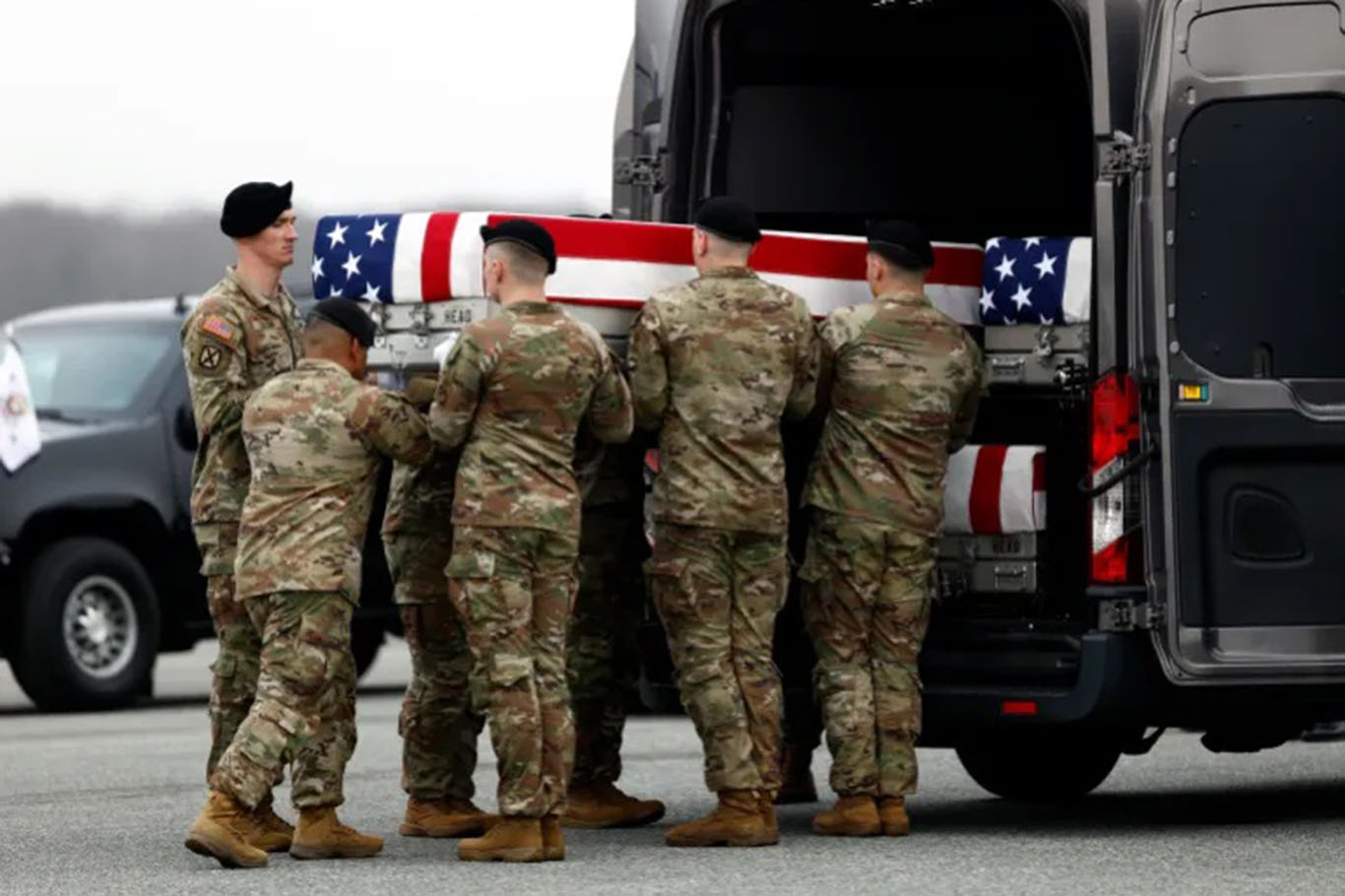
The human and financial costs of the U.S. war against Iran are significantly higher than previously disclosed by Washington, with more American service members reportedly killed than the Pentagon's official casualty database acknowledges, according to an investigation by The Washington Post.
Citing six U.S. officials familiar with the Defense Department's internal casualty records, the newspaper reported that at least 22 American military personnel have died since the war began on February 28. Five officials gave that figure, while a sixth put the number at 23 — four to five more deaths than the 18 fatalities currently listed in the Pentagon's public Defense Casualty Analysis System (DCAS).
One of the officials said not all of the additional deaths were directly caused by combat with Iran, but involved U.S. personnel deployed across West Asia amid ongoing hostilities. The same official said three U.S. contractors based in the region had also died since combat operations began.
The discrepancy has raised questions over the transparency of Washington's accounting of the human cost of a conflict that has placed growing pressure on U.S. forces across the region.
According to the DCAS data reviewed by The Post, 14 fatalities are currently recorded under Operation Epic Fury, the Trump administration's designation for the war against Iran. Four others appear under a separate “Overseas Operations” category and date from a July ceasefire that later collapsed.
The newspaper also identified two U.S. service members whose deaths in West Asia since February were not reflected by name in the relevant casualty database.
Army Sgt. Devin Seibel died in a training accident in Erbil, Iraq, on May 31 while serving under Operation Inherent Resolve, according to the Defense Department. Maj. Sorffly Davius died in Kuwait on March 6 following an unspecified medical emergency. It remains unclear whether Davius' death was connected to an Iranian attack.
The Pentagon has also reported that more than 820 U.S. service members have been wounded in action since the conflict began. The Washington Post reported that many suffered traumatic brain injuries during Iranian missile and drone attacks on U.S. military positions across the region.
The latest revelations come after earlier controversy over Washington's handling of casualty figures. Four U.S. troops killed during renewed fighting with Iran were previously removed from the Pentagon's Iran-war tally and placed under a separate “Overseas Operations” category.
The mounting casualties come alongside rapidly escalating financial costs.
U.S. Central Command estimates that the war has cost approximately $43.6 billion through early September, according to a document reviewed by The Washington Post. The estimate includes around $28 billion in expended munitions and more than $4.3 billion in equipment lost or damaged, but excludes the future costs of repairing or rebuilding damaged U.S. military facilities.
A separate Congressional Budget Office estimate put the cost of the war at approximately $38 billion through August 1 and projected that the conflict could add another $2 billion to $3 billion per month, depending on the intensity of fighting.
The conflict has also placed significant pressure on U.S. weapons stocks, particularly expensive missile interceptors. The depletion of those stocks has reportedly raised concerns among U.S. and NATO officials about shortages affecting their ability to respond to other security challenges.
Despite the scale of the U.S. military campaign, the reported figures highlight the costs Washington continues to incur as the conflict drags on.
Iranian missile and drone attacks have targeted U.S. military positions across West Asia, while the conflict has also disrupted energy markets and affected shipping through the Strait of Hormuz.
The reported casualty gap has added to mounting scrutiny of the Trump administration's handling of the war, particularly over how the human and financial costs are being presented to the American public.
The Washington Post reported that several senior U.S. military officials have warned Defense Secretary Pete Hegseth that prolonging large-scale operations against Iran could place further strain on the U.S. military and limit its ability to respond to other threats.
The disclosures have also prompted moves in Congress to challenge the Pentagon's handling of military casualty data, underscoring growing concern in Washington over the transparency and consequences of the ongoing conflict. (ILKHA)
LEGAL WARNING: All rights of the published news, photos and videos are reserved by İlke Haber Ajansı Basın Yayın San. Trade A.Ş. Under no circumstances can all or part of the news, photos and videos be used without a written contract or subscription.

Israeli police officers stormed the Bab al-Rahma prayer hall at the Aqsa Mosque compound during Friday prayers, according to Jerusalem affairs researcher Ziyad Abhais.
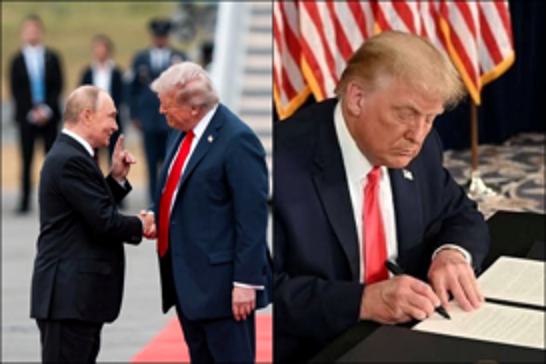
U.S. President Donald Trump has signed into law a sweeping sanctions package targeting Russia, giving his administration new powers to impose tariffs on countries that continue to purchase Russian oil and gas.

A U.S. Immigration and Customs Enforcement officer pleaded not guilty Friday to federal charges accusing him of lying to investigators about being attacked before he shot and wounded a Venezuelan man during an immigration enforcement operation in Minneapolis earlier this year.