WMO warns global freshwater resources are shrinking
 13 oC
13 oC 
Güneşli

Freshwater resources around the world are continuing to decline, with 2025 ranking among the driest years for global rivers in more than three decades, according to a new report by the World Meteorological Organization (WMO), which warned that shrinking water reserves and accelerating glacier loss could have serious consequences for people, ecosystems and economies.
The WMO's State of Global Water Resources 2025 report said the global water cycle has become increasingly erratic and unpredictable, swinging between severe droughts and devastating floods.
The report found that 2025 was among the three driest years for global river flows since monitoring began in 1992. During the past seven years, the number of rivers with "normal" flow conditions fell to its lowest level since 1991. For the seventh consecutive year, river basins with normal conditions accounted for only 34% to 38%, compared with the 1991-2020 average of 46%.
Groundwater reserves continue to decline
The report said terrestrial water storage—which includes groundwater, lakes, rivers, soil moisture, vegetation, snow and ice—has been declining since the mid-2010s, weakening the planet's natural ability to withstand prolonged droughts.
Speaking at the report's presentation in Geneva, WMO Secretary-General Celeste Saulo said the planet's freshwater reserves had traditionally acted like a "savings account," helping absorb occasional dry seasons and preventing water crises.
"The central question of the 2025 report is what has happened to that savings account. The simple answer is that we are depleting it," Saulo said.
Glacier losses worsen long-term water security
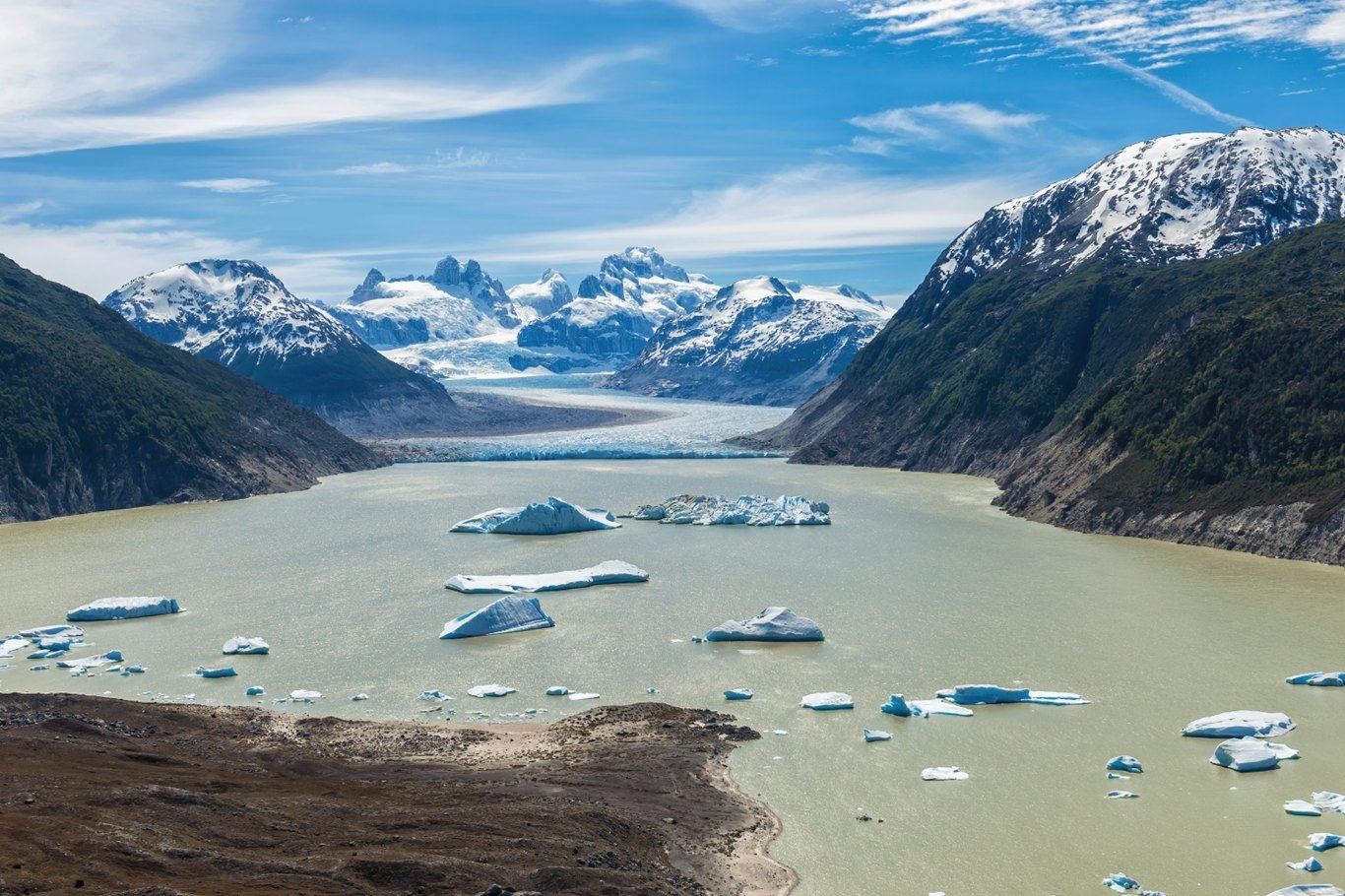
The report said 2025 marked the fourth consecutive year of widespread glacier mass loss across all monitored regions, increasing short-term flood risks while threatening long-term freshwater supplies.
Between 2023 and 2025, glaciers lost a combined 1,400 gigatonnes of ice—equivalent to roughly one-third of the world's annual freshwater withdrawals.
WMO Director of Hydrology, Water and Cryosphere Wayne Jenkinson said all 19 glacier regions worldwide recorded ice loss, including Central Asia, Iceland, the Russian Arctic, western Canada and the United States.
He described the past three years as among the worst on record for global glacier retreat.
Record floods and droughts continue
The report noted that national meteorological and hydrological services have reported record-breaking floods and droughts in each of the past five years, with some regions experiencing little or no recovery time between successive disasters.
Saulo stressed that water resources transcend national borders, noting that the water balance of one river basin can depend on conditions in another country, while glacier retreat can reshape water availability for populations living hundreds of kilometres downstream.
She called for stronger international cooperation through shared data, common standards and integrated early warning systems, saying these are essential to addressing the growing global water crisis.(ILKHA)
LEGAL WARNING: All rights of the published news, photos and videos are reserved by İlke Haber Ajansı Basın Yayın San. Trade A.Ş. Under no circumstances can all or part of the news, photos and videos be used without a written contract or subscription.
At least 112,000 people have been displaced inside Yemen over the past two weeks as renewed fighting along the country's western coast forces families to flee their homes, according to United Nations agencies.

At least 37 people suspected of illegal mining have died while in the custody of Nigeria’s security authorities in the north-central state of Niger, prompting multiple investigations and growing public concern over the conditions in which the detainees were held.
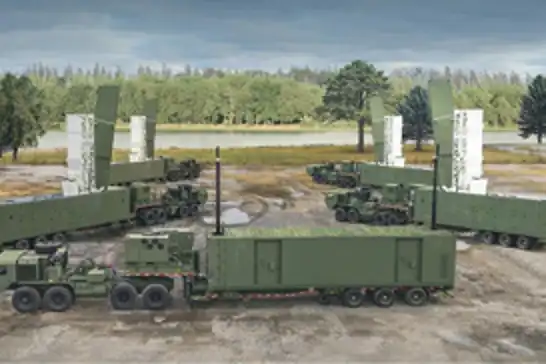
Russia has called on Japan to withdraw U.S.-made Typhon ground-based missile systems deployed on its territory, warning that the move threatens regional security and bilateral relations.