Zelensky says Russia preparing to mobilize 300,000 troops after September elections
 13 oC
13 oC 
Güneşli

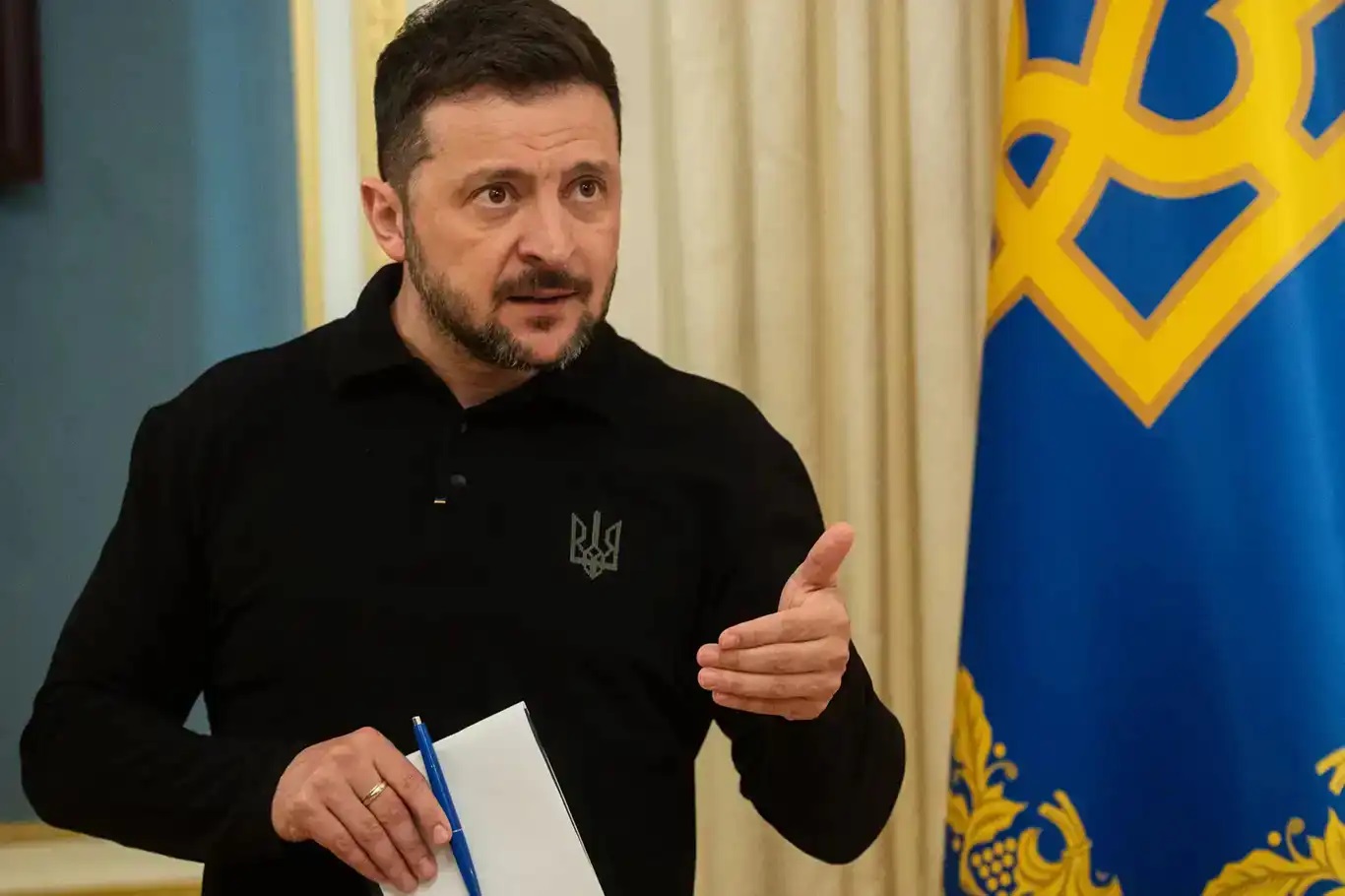
Ukrainian President Volodymyr Zelensky has claimed that Russia is preparing to mobilize around 300,000 additional troops after the State Duma elections in September, with the Kremlin expected to focus the recruitment effort on the country's regions rather than major cities to limit public backlash.
Speaking to journalists, Zelensky said Moscow would likely wait until after the elections before announcing a new mobilization campaign, which he described as an attempt to shield the Russian leadership from the political consequences of a potentially unpopular decision.
According to Zelensky, the planned mobilization would come on top of Russia's existing system of voluntary military recruitment and could provide additional manpower for Moscow's ongoing offensive operations in Ukraine.
Zelensky said Russia was preparing what he described as a "peripheral mobilization," with authorities seeking to avoid large-scale recruitment in major population centers such as Moscow and St. Petersburg.
"They are planning for a kind of 'peripheral mobilization,'" Zelensky said.
"As we understand, it won't happen in the central cities. But I don't think they will succeed in hiding it."
The Ukrainian president said the strategy appeared designed to minimize the political costs of another nationwide mobilization by concentrating recruitment efforts in Russia's regions, where the Kremlin could face less immediate public resistance.
Zelensky said the additional personnel would supplement the steady flow of contract soldiers currently joining the Russian military.
The newly mobilized troops could be used to reinforce Russia's principal offensive efforts in Donetsk Oblast, particularly around the heavily fortified urban areas that have become key targets of Moscow's military campaign.
Alternatively, Zelensky said, Russia could use the additional manpower to open or intensify military pressure in other parts of Ukraine, including along the country's northern border.
The claim comes amid continuing Russian attempts to make battlefield gains despite significant personnel losses and the slow pace of some offensive operations.
Russia has conducted only one nationwide forced mobilization since launching its full-scale invasion of Ukraine in February 2022.
That campaign was announced in September 2022 after Ukrainian counteroffensives rapidly recaptured territory and threatened to expose weaknesses in Russian defensive positions.
The decision triggered widespread anxiety across Russia and prompted hundreds of thousands of people to leave the country. Long queues formed at several border crossings, particularly along Russia's border with Georgia.
The political fallout from the 2022 mobilization has remained a major reason for the Kremlin's subsequent reliance on alternative recruitment methods.
Rather than ordering another nationwide draft, Moscow has increasingly relied on financial incentives to attract volunteers into the armed forces.
Regional governments have offered substantial signing bonuses and other benefits to individuals willing to enlist on military contracts, while local authorities have been given recruitment targets.
The system has allowed the Kremlin to maintain a steady flow of personnel without formally declaring another large-scale mobilization.
However, Ukrainian officials have repeatedly argued that Russia's voluntary recruitment campaign is becoming increasingly difficult to sustain as battlefield casualties remain high.
Zelensky suggested that the timing of any new mobilization would be closely linked to Russia's political calendar.
The State Duma elections are scheduled for September and, despite widespread criticism from Ukraine and Western governments over the state of political competition in Russia, remain an important measure of domestic political stability for the Kremlin.
According to Zelensky, Russian authorities may therefore seek to postpone any unpopular mobilization announcement until after the vote.
The Ukrainian president's claim has not, however, been independently confirmed by Russian authorities, and Moscow has not publicly announced plans for a new mobilization of 300,000 people.
A new large-scale recruitment campaign would nevertheless represent a significant escalation in Russia's effort to replenish its forces as the war enters another prolonged phase.
For now, Russia continues to rely primarily on contract recruitment and regional incentives rather than the nationwide forced mobilization used in 2022. (ILKHA)
LEGAL WARNING: All rights of the published news, photos and videos are reserved by İlke Haber Ajansı Basın Yayın San. Trade A.Ş. Under no circumstances can all or part of the news, photos and videos be used without a written contract or subscription.
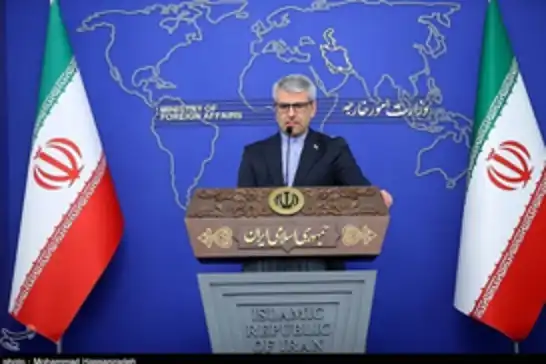
Iran has firmly rejected any attempt by its adversaries to dictate the terms of an end to the conflict, with Foreign Ministry spokesman Esmaeil Baghaei declaring that Tehran will not surrender its national rights or accept a settlement imposed by those responsible for the aggression.
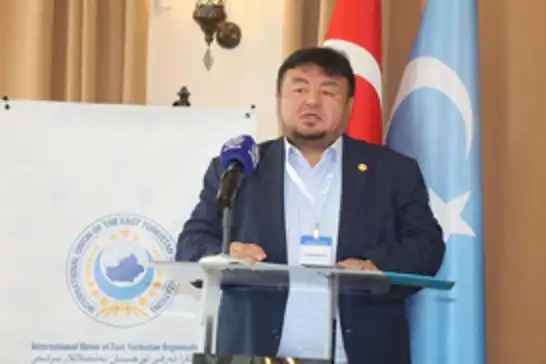
The East Turkistan Maarif Movement has issued an urgent international appeal calling on the global community, particularly Turkic and Muslim nations, to confront systematic genocidal policies carried out by Chinese authorities in East Turkistan (Xinjiang).
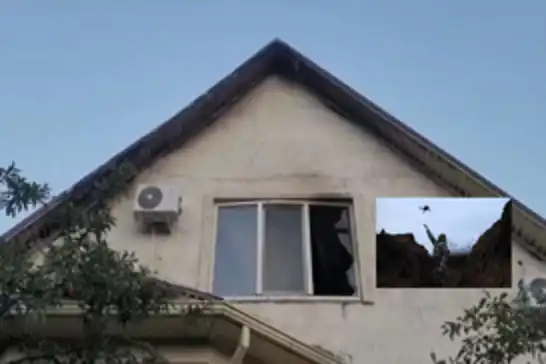
At least three teenagers were killed and six other children were injured in a wave of Ukrainian drone strikes targeting Russia's southern regions early Monday, Russian officials said, as several logistics facilities belonging to online retail giant Ozon were also hit.