Afghan, Uzbek businesses sign $300 million in trade deals at bilateral conference
 13 oC
13 oC 
Güneşli

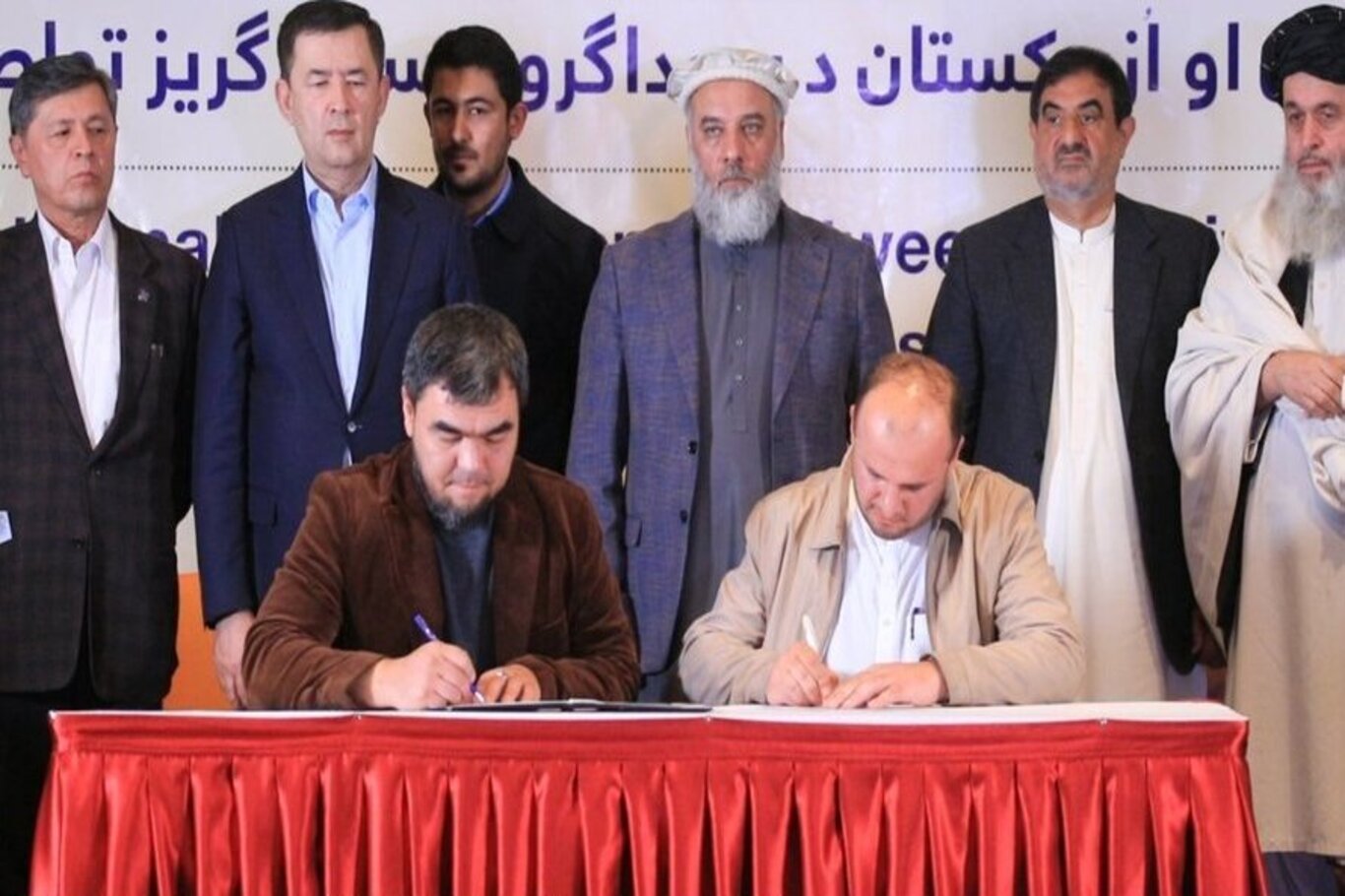
Afghan and Uzbek business leaders have signed 25 trade agreements worth more than $300 million, marking a significant step forward in economic cooperation between the two neighboring countries.
The deals were concluded during the Afghan-Uzbek Trade Connection Conference, attended by senior officials including Afghanistan’s Minister of Industry and Commerce, Nooruddin Azizi, and the Governor of Uzbekistan’s Syrdarya region, Erkinjon Turdimov. Representatives from dozens of private companies on both sides also took part in business-to-business meetings aimed at expanding cross-border trade.
According to organizers, the signed agreements cover a wide range of sectors, including construction materials, food processing, agriculture, furniture manufacturing, textiles and clothing, and pharmaceuticals. Several memoranda of understanding focus on joint ventures and long-term supply contracts, reflecting a shift from short-term trading to deeper industrial collaboration.
Afghan officials described the agreements as part of a broader strategy to boost domestic production capacity, create jobs, and increase exports through regional partnerships. Uzbek participants, meanwhile, emphasized their interest in expanding access to Afghan markets and using Afghanistan as a transit corridor toward South Asia.
Trade between Afghanistan and Uzbekistan has steadily increased in recent years, driven by improved border coordination and expanded rail connectivity through the Hairatan–Mazar-e-Sharif railway line. Both sides have repeatedly stated their intention to raise annual bilateral trade to $1 billion in the near term.
In addition to private-sector agreements, officials discussed progress on infrastructure projects designed to facilitate commerce, including proposals to extend railway links from northern Afghanistan further into the country and eventually toward Pakistan. Energy cooperation and electricity exports from Uzbekistan to Afghanistan were also reported to be on the agenda.
Speaking at the conference, Minister Azizi highlighted the importance of strengthening regional economic ties to promote stability and development. He noted that Afghanistan’s strategic geographic location positions it as a bridge between Central and South Asia.
Governor Turdimov underscored Uzbekistan’s commitment to practical cooperation, particularly in agriculture, light industry, and construction. He said Syrdarya province is ready to host Afghan investors and expand industrial partnerships.
Business representatives on both sides expressed optimism that the newly signed agreements would translate into tangible projects in the coming months. Follow-up meetings and technical working groups are expected to be established to ensure implementation.
The conference reflects a broader regional trend of economic engagement, as neighboring countries seek to deepen trade links and invest in infrastructure projects that enhance connectivity and mutual growth. (ILKHA)
LEGAL WARNING: All rights of the published news, photos and videos are reserved by İlke Haber Ajansı Basın Yayın San. Trade A.Ş. Under no circumstances can all or part of the news, photos and videos be used without a written contract or subscription.

Euro zone inflation accelerated to 3.8% in September from 3.2% in August, driven by a sharp rise in energy prices, preliminary data from the European Union's statistics agency Eurostat showed on Friday.
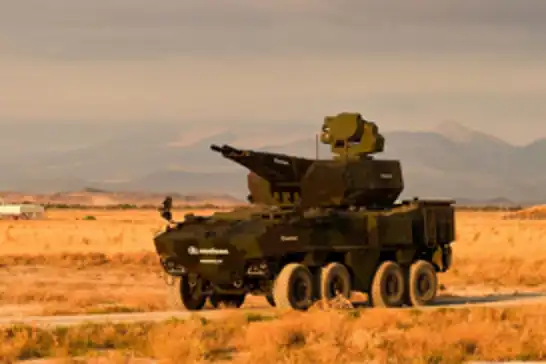
Türkiye’s defense company ASELSAN is expanding its international partnerships through new agreements covering air defense, reconnaissance, surveillance, radar and electronic warfare systems, with recent deals involving Poland and Azerbaijan.
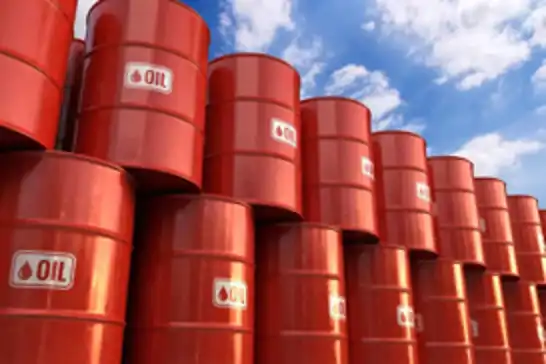
Brent crude prices climbed above the $100 mark as reports that negotiations between the United States and the Islamic Republic of Iran had reached a deadlock increased concerns over continued tensions and possible disruptions to global oil supplies.

Türkiye's general government deficit fell to 0.9% of gross domestic product (GDP) in 2025 from 3.4% a year earlier, official data showed.