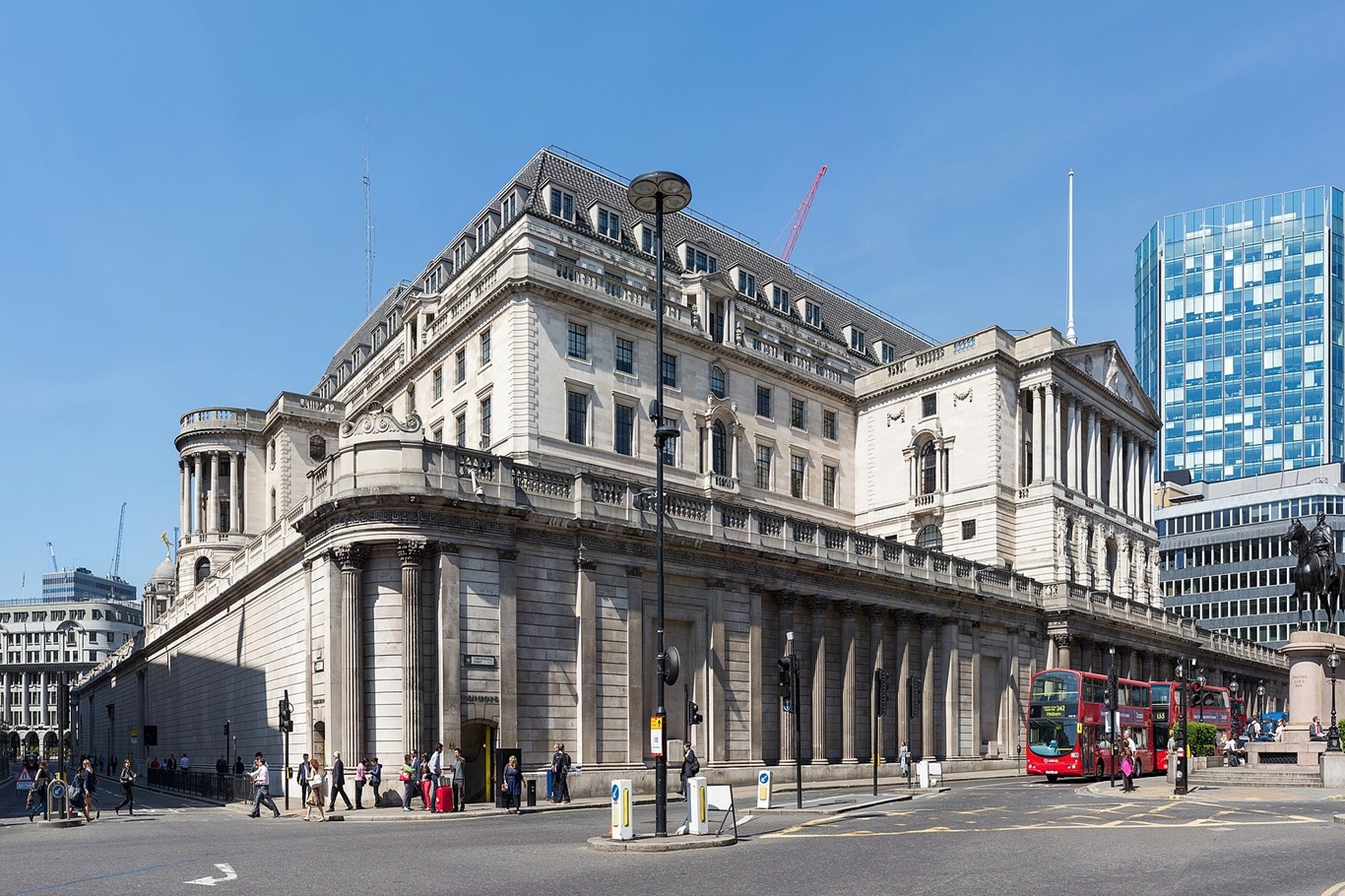
Bank of England holds interest rates at 3.75% but says ready to act
 13 oC

Güneşli

The Bank of England has kept its benchmark interest rate unchanged at 3.75% following its Monetary Policy Committee meeting on April 30, in line with expectations.
The decision was taken by an 8–1 vote, with eight members supporting holding rates steady, while chief economist Huw Pill voted to raise the rate to 4%.
In its statement, the central bank warned that inflation, which rose to 3.3% in March, remains above its 2% target and could increase further in the coming months due to rising energy prices and ongoing geopolitical tensions in the Middle East.
Governor Andrew Bailey described the current rate level as “a reasonable place,” but indicated that further tightening could be considered if inflationary pressures persist.
The bank has kept rates steady in recent meetings following a period of monetary tightening aimed at controlling inflation. While some analysts expect potential rate cuts later this year, uncertainty surrounding global energy markets and economic conditions continues to shape the policy outlook.
The BoE said future decisions will depend on incoming economic data, particularly inflation trends and wage developments. (ILKHA)
LEGAL WARNING: All rights of the published news, photos and videos are reserved by İlke Haber Ajansı Basın Yayın San. Trade A.Ş. Under no circumstances can all or part of the news, photos and videos be used without a written contract or subscription.

Türkiye’s services sector consumed a total of 485,413 terajoules of final energy in 2025, with electricity accounting for more than half of overall consumption, the Turkish Statistical Institute (TurkStat) said on Friday.
Türkiye aims to increase its combined installed wind and solar power capacity to 175 gigawatts (GW) under its National Energy 2035 Vision, with plans to attract $100 billion in new investments to accelerate the country's clean energy transition.
The country's new energy roadmap envisages 281 GW of total installed capacity, $190 billion in investment and a major expansion of wind, solar and nuclear power.

Türkiye’s annual consumer inflation fell by 3.1 percentage points to 29.8 percent, with the disinflation process spreading across most major categories, Treasury and Finance Minister Mehmet Şimşek said.