Russia's budget deficit reaches $63 billion in first 10 months of 2026
 13 oC

Güneşli

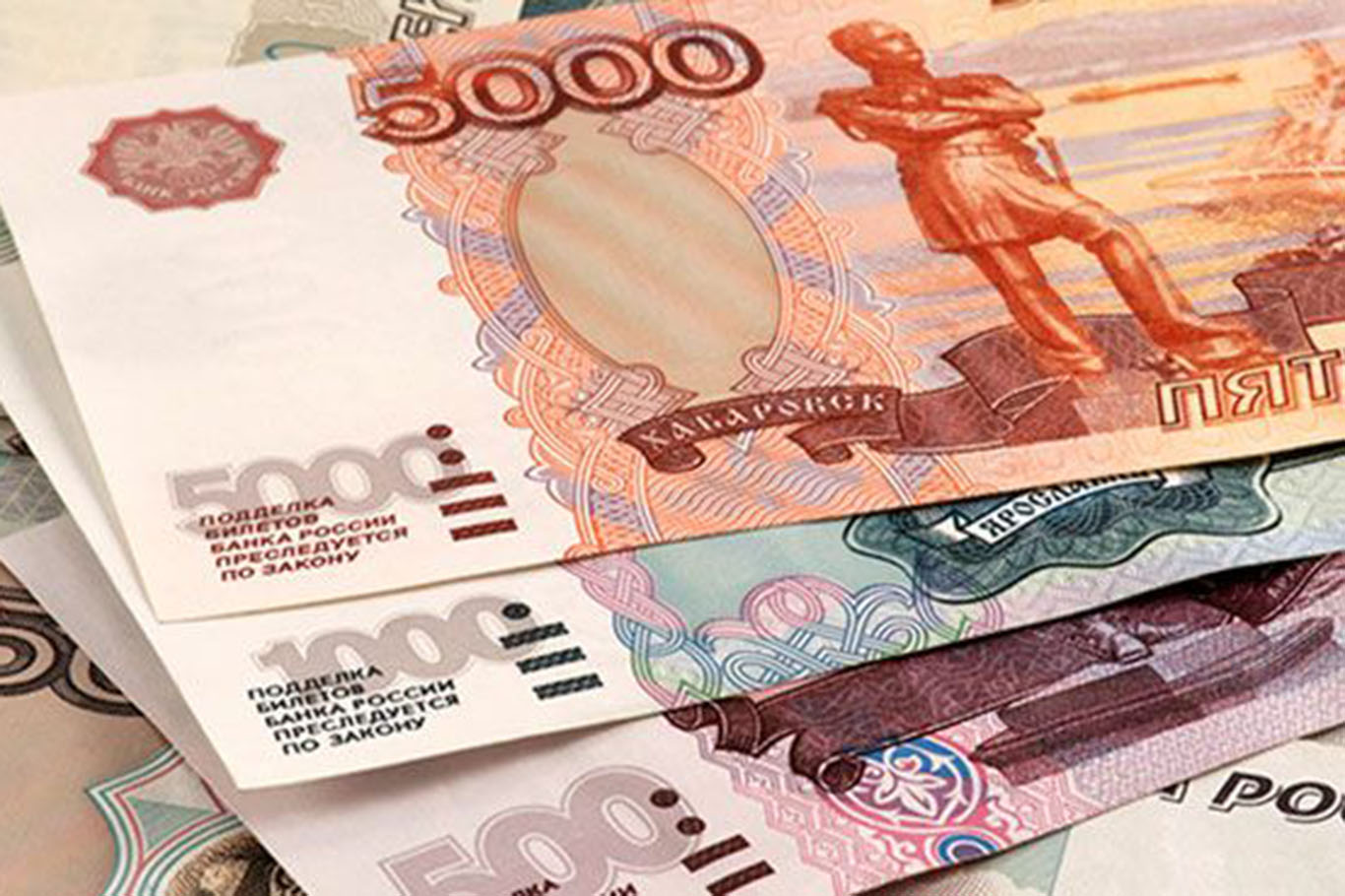
Russia's federal budget deficit reached 5.23 trillion rubles (approximately $63 billion) in the first 10 months of 2026, significantly exceeding the government's initial full-year target as spending continued to outpace revenue growth, according to preliminary Finance Ministry data.
The deficit amounted to 2.3% of gross domestic product (GDP) between January and October, compared with 1.8% in the same period last year, when the shortfall stood at 3.94 trillion rubles.
The Finance Ministry reported that federal budget revenues increased by 10.8% year-on-year to 33.18 trillion rubles, while expenditures rose by a faster 13.4% to 38.41 trillion rubles.
The latest figures indicate that the deficit widened by approximately 48 billion rubles in October compared with September, despite a recovery in oil and gas revenues.
Russia's original 2026 budget projected a deficit of 3.79 trillion rubles, or 1.6% of GDP. However, the government revised its full-year forecast in September, raising the expected shortfall to 7.35 trillion rubles, equivalent to 3.2% of GDP.
Despite higher international oil prices, Russia's cumulative oil and gas revenues declined by 14.1% year-on-year to 6.44 trillion rubles during the January-October period.
The Finance Ministry attributed the decline to the strengthening of the ruble and increased compensation payments to domestic oil refineries amid rising global petroleum product prices.
However, oil and gas tax revenues recovered in October, reaching 971.2 billion rubles, their highest monthly level in approximately 18 months, supported by higher oil prices and increased tax payments.
Meanwhile, non-oil and gas revenues rose by 19.1% to 26.73 trillion rubles, partly reflecting stronger value-added tax (VAT) receipts.
The widening deficit comes as Moscow faces increasing pressure to finance government priorities, including military expenditure, amid Western sanctions and economic challenges.
In an effort to strengthen public finances, Russia has introduced tax increases and outlined additional revenue-raising measures for the coming years.
The government's 2027-2029 budget framework also envisages lowering the benchmark oil price used under its fiscal rule to $50 per barrel starting in 2027, with the aim of gradually restoring structural budget balance by 2029.
On Nov. 5, the government authorised the Finance Ministry to raise up to an additional 1 trillion rubles through domestic borrowing beyond the initially approved programme.
The Finance Ministry expects the 2026 budget deficit to reach 3.2% of GDP, or approximately 7.35 trillion rubles, as spending pressures continue into the final two months of the year.
The growing fiscal gap highlights the challenges facing the Russian economy as the government seeks to maintain high spending levels while dealing with sanctions, fluctuating energy revenues and mounting domestic economic pressures. (ILKHA)
LEGAL WARNING: All rights of the published news, photos and videos are reserved by İlke Haber Ajansı Basın Yayın San. Trade A.Ş. Under no circumstances can all or part of the news, photos and videos be used without a written contract or subscription.

Türkiye's trade sales volume fell by 5.6% year-on-year in September 2026, while retail sales increased by 7.7%, according to data released by the Turkish Statistical Institute (TurkStat) on Wednesday.

Türkiye's total turnover index, covering the industry, construction, trade and services sectors, increased by 28.5 per cent in September compared with the same month last year, while the monthly increase was recorded at 2.4 per cent, according to official data.

Oil prices fell to their lowest levels since August on Wednesday as markets responded to hopes of a de-escalation in tensions between the United States and Iran, alongside concerns over global supply and demand.