Türkiye plans $200 billion energy investment through 2035, report says
 13 oC
13 oC 
Güneşli

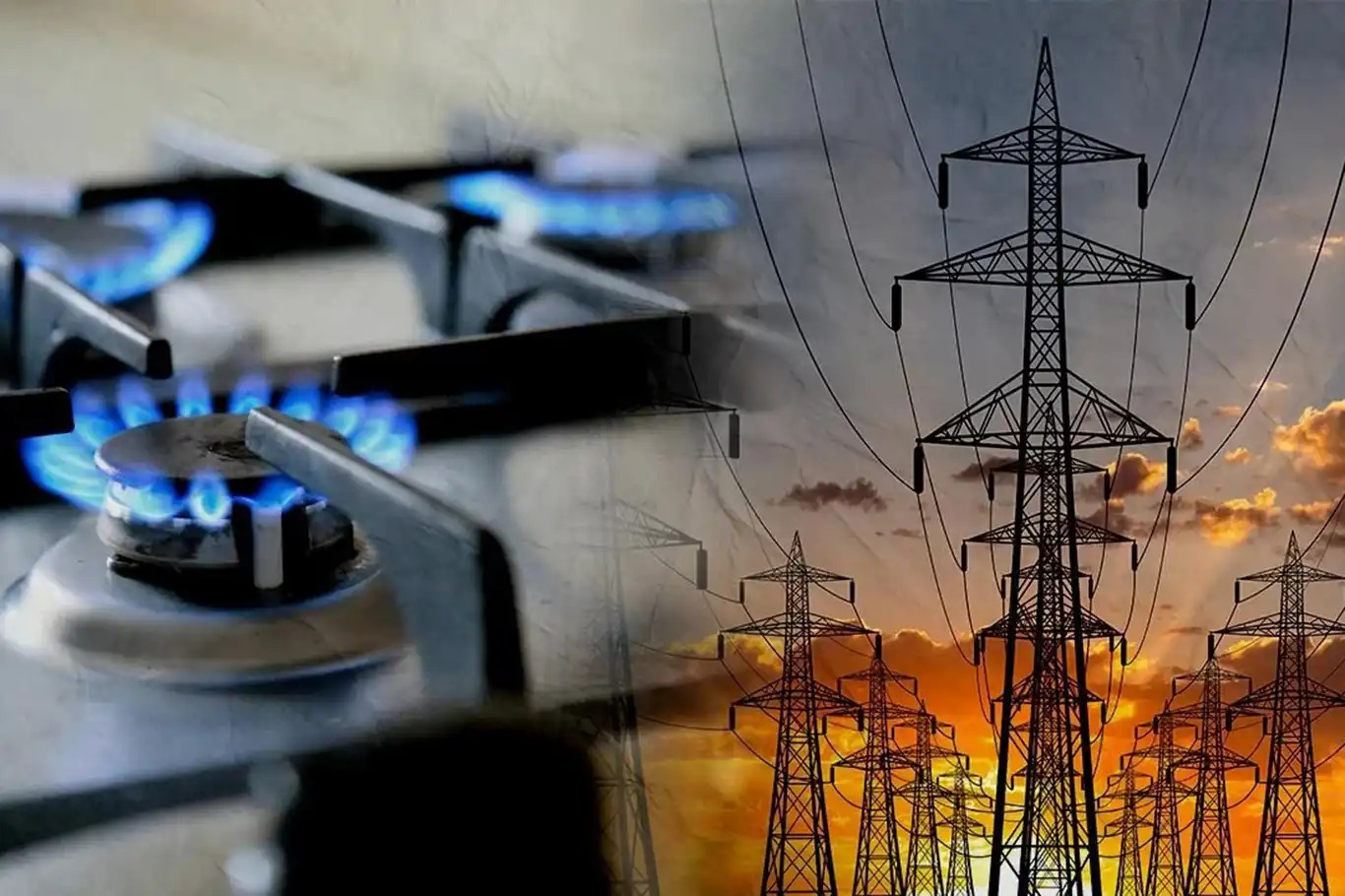
Türkiye plans to mobilize around $200 billion in investment by 2035 to expand renewable energy, nuclear power and electricity infrastructure as it accelerates its energy transition and works toward its long-term net-zero emissions goal, according to a new sector report.
The Energy Sector Report 2026, prepared jointly by the Presidency’s Investment and Finance Office and energy consultancy APLUS Enerji Danışmanlık, outlines investment priorities and opportunities in Türkiye’s energy sector through 2035.
The report, citing projections from the Energy and Natural Resources Ministry, said Türkiye aims to increase its combined wind and solar installed capacity to 120 gigawatts by 2035. Reaching that target will require the country to add roughly 8 to 9 GW of new renewable capacity each year over the coming period.
The estimated $200 billion financing requirement includes investments in nuclear power as well as the infrastructure needed to accommodate the rapid expansion of renewable generation.
Of the total, approximately $80 billion is expected to be allocated to grid modernization, system flexibility and transmission and distribution infrastructure.
The report said strengthening the electricity grid would be crucial to integrating growing amounts of intermittent renewable generation and ensuring the reliability of the power system.
Storage and electric vehicles offer new opportunities
Beyond power generation, the report identifies battery energy storage and electric vehicle charging infrastructure as emerging areas of investment.
Based on projections using data from Türkiye’s Energy Market Regulatory Authority (EPDK), the country’s electric vehicle fleet could reach approximately 7 million vehicles by 2035 under a high-growth scenario.
The expansion of electric mobility is expected to increase demand for charging infrastructure while creating opportunities in battery technologies, electricity networks and related supply chains.
The report also highlights renewable projects combined with battery storage and the YEKA DÜRES-2026 offshore wind initiative, described as Türkiye’s first offshore wind energy programme, among the key investment opportunities emerging in the sector.
Seven technology areas in focus
The study examines seven major energy technology areas from an investor perspective: wind, solar, battery storage, hydropower, geothermal, biomass and green hydrogen.
It also emphasizes the importance of developing domestic manufacturing capabilities and strengthening Türkiye’s position in energy-related supply chains as the country expands renewable generation and modernizes its electricity infrastructure.
Investment and Finance Office officials said the report was intended to improve international investors’ understanding of Türkiye’s energy market by bringing together key information on regulatory, market and investment conditions.
“Rapid growth in renewable energy capacity, grid modernization, energy efficiency, storage solutions and the development of domestic manufacturing capabilities offer significant opportunities for investors in Türkiye,” Investment and Finance Office President Ahmet Burak Dağlıoğlu said.
“Our comprehensive roadmap toward the 2053 net-zero emissions target aims to more effectively mobilize international capital, advanced technologies and strategic partnerships for Türkiye’s energy transition,” he added.
Balancing renewables with nuclear power
Türkiye’s energy strategy envisages a broader transformation of the electricity system, combining rapid growth in wind and solar power with nuclear generation, storage capacity and expanded grid infrastructure.
The planned investments are intended to increase domestic electricity generation, strengthen energy security and improve the system’s ability to accommodate rising renewable capacity.
The scale of the financing requirement also underlines the potential role of international investors in Türkiye’s energy transition, particularly in infrastructure, renewable generation, storage, electric mobility, technology and equipment manufacturing.
With the 2035 renewable capacity target and 2053 net-zero objective shaping the country’s long-term energy policy, the report presents Türkiye’s transition as both a major infrastructure challenge and a significant investment opportunity. (ILKHA)
LEGAL WARNING: All rights of the published news, photos and videos are reserved by İlke Haber Ajansı Basın Yayın San. Trade A.Ş. Under no circumstances can all or part of the news, photos and videos be used without a written contract or subscription.

The total reserves of Türkiye's central bank fell by $252m (£190m) in the week to 28 August, official figures show.

Türkiye’s consumer price index (CPI) increased by 31.51% year-on-year in August 2026, while consumer prices rose 1.84% compared with the previous month, according to the latest official figures.

Türkiye and Lebanon have agreed to deepen cooperation in the energy sector following talks between Türkiye's Minister of Energy and Natural Resources Alparslan Bayraktar and Lebanese Minister of Energy and Water Joseph Saddi in Ankara.