Erdoğan hails Türkiye’s strong PISA 2025 performance as 2026-2027 school year begins
 13 oC
13 oC 
Güneşli

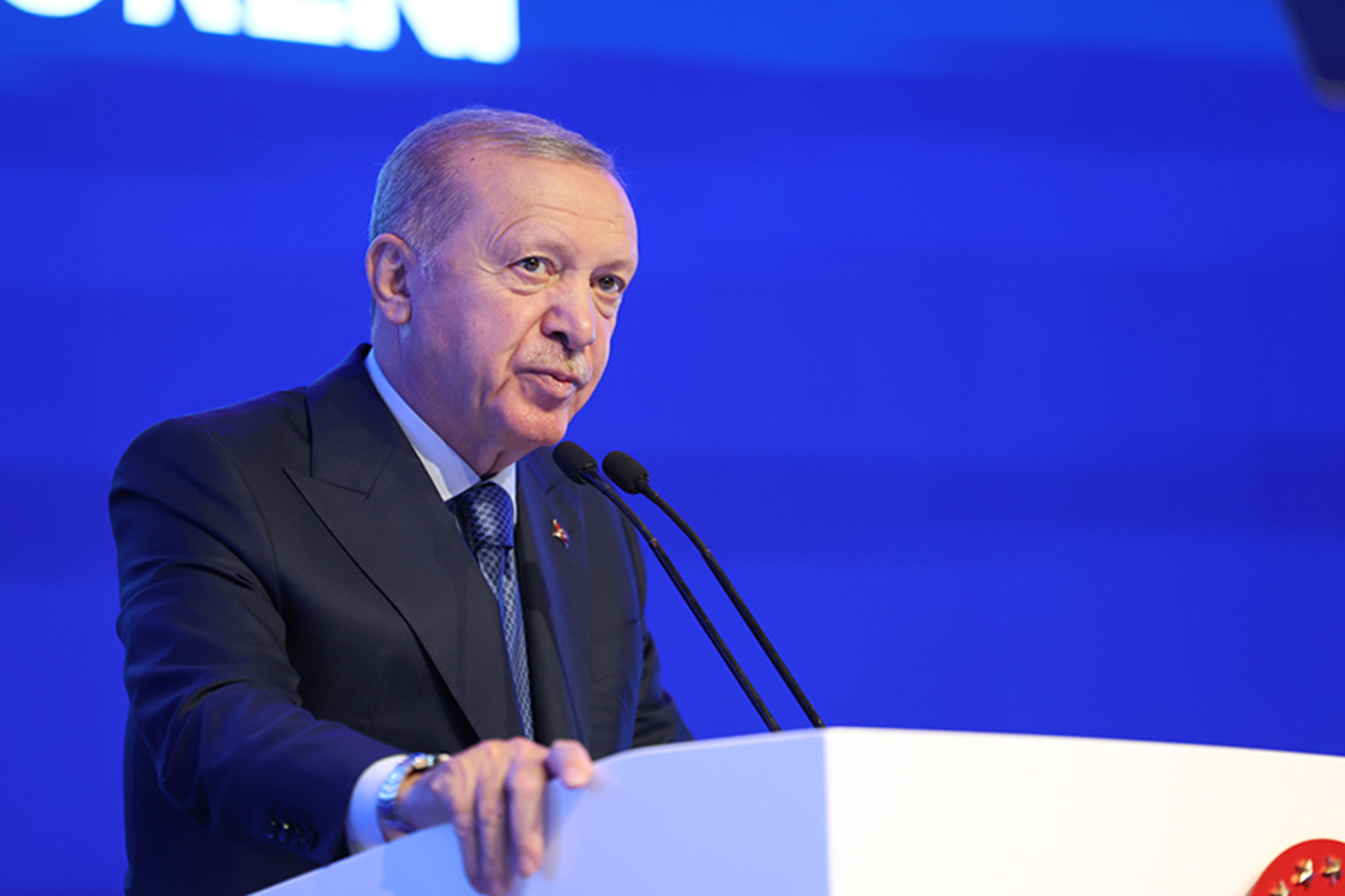
Turkish President Recep Tayyip Erdoğan has highlighted Türkiye’s strong performance in the latest international education assessment, saying the country recorded the largest increase in scores among OECD members across science, mathematics and reading.
Erdoğan made the remarks Monday at a ceremony marking the beginning of the 2026-2027 academic year and the opening of newly completed education investments. He said the results of the OECD’s PISA 2025 assessment represented an important achievement for Türkiye’s education system and expressed hope that the findings would have a positive impact on students, teachers and the wider education community.
“According to the PISA 2025 report, which included 91 countries, Türkiye recorded the largest increase in scores among OECD countries in science, mathematics and reading,” Erdoğan said.
He added that Türkiye improved its position in the performance rankings across all three areas and was the only country to achieve a statistically significant improvement in all three domains.
The PISA 2025 assessment, released by the OECD on Sept. 8, evaluated more than 760,000 15-year-old students in 91 countries and economies. The latest edition found that educational performance had deteriorated substantially across the OECD, with average mathematics and reading scores reaching their lowest levels since the assessment began.
Türkiye was among the few OECD countries to improve its results in all three subjects between 2022 and 2025. According to the OECD, Turkish students' average scores increased in mathematics, reading and science, continuing a positive trend observed in previous PISA cycles.
The country's gains were particularly notable in science. OECD data show that Türkiye's science score increased by 18 points between 2022 and 2025, while mathematics rose by 8 points and reading by 16 points. The OECD describes Türkiye's improvement in all three areas as one of the strongest among participating education systems.
Türkiye also moved up in the international rankings. Data published by Türkiye's Ministry of National Education show that the country rose 15 places in science, 18 places in reading and 11 places in mathematics compared with the previous assessment.
Erdoğan also drew attention to the social-equity dimension of the results, saying Türkiye was the only OECD country to improve the performance of both advantaged and disadvantaged student groups.
The issue is particularly significant because the OECD's latest findings show that educational inequality remains a major challenge internationally. The organization said that, across the OECD, about 20% of 15-year-olds are now low performers in science, mathematics and reading, up from 16% in 2022.
At the same time, the OECD noted that some education systems have managed to combine stronger overall performance with more inclusive outcomes. Türkiye was among the countries that reduced the proportion of low-performing students while increasing the share of high-performing students.
Erdoğan praised teachers, students, parents and education officials for the results, stressing that the government would continue working to provide young people with stronger academic skills and greater confidence.
The president had also welcomed the PISA results when they were first released last week, describing Türkiye's performance as a product of the importance his government places on education and congratulating teachers, students and families.
Türkiye's progress comes against a difficult international backdrop. The OECD found that average reading scores across member states fell by 28 points between 2015 and 2025, equivalent to roughly a year and a half of learning, while mathematics scores declined by 22 points over the same period.
The 2025 assessment also examined students' relationship with digital technology and artificial intelligence. The OECD warned that excessive use of digital devices for leisure can be associated with weaker academic performance, while students' growing use of AI tools is creating both opportunities and new challenges for education systems. About 46% of students in OECD countries reported using AI chatbots weekly or more to help them learn.
The OECD also found that reading performance has become increasingly concerning in the digital era, particularly students' ability to evaluate information, connect material from different sources and think critically about what they read.
Erdoğan's remarks came as millions of Turkish students returned to classrooms for the new academic year. The government has continued to emphasize school construction, classroom capacity, infrastructure and access to education as part of its broader education policy.
For Erdoğan, the latest PISA results provide an opportunity to underscore what he describes as progress in Türkiye's education system, while the OECD findings suggest that sustaining those gains will require addressing broader challenges, including learning inequalities, declining reading engagement and the impact of digital technology on students. (ILKHA)
LEGAL WARNING: All rights of the published news, photos and videos are reserved by İlke Haber Ajansı Basın Yayın San. Trade A.Ş. Under no circumstances can all or part of the news, photos and videos be used without a written contract or subscription.
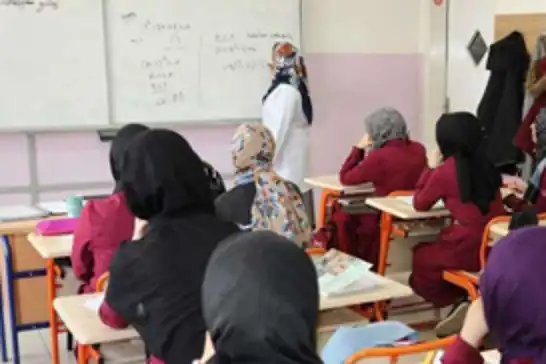
A total of 17,704,308 students received formal education in Türkiye during the 2025-2026 academic year, according to the Ministry of National Education’s (MEB) "National Education Statistics: Formal Education 2025-2026" report.

HÜDA PAR's Education Affairs Directorate has called for a review of security measures around schools following an armed attack near a high school in Turgutlu district of Manisa province that injured several students.
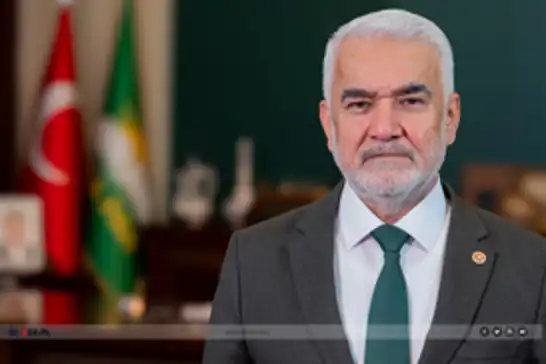
HÜDA PAR (Free Cause Party) Chairman Zekeriya Yapıcıoğlu called on the government to strengthen values-based education and ease school-related costs for families as the 2026-2027 academic year began on Monday.