Türkiye’s formal education system serves 17.7 million students
 13 oC
13 oC 
Güneşli
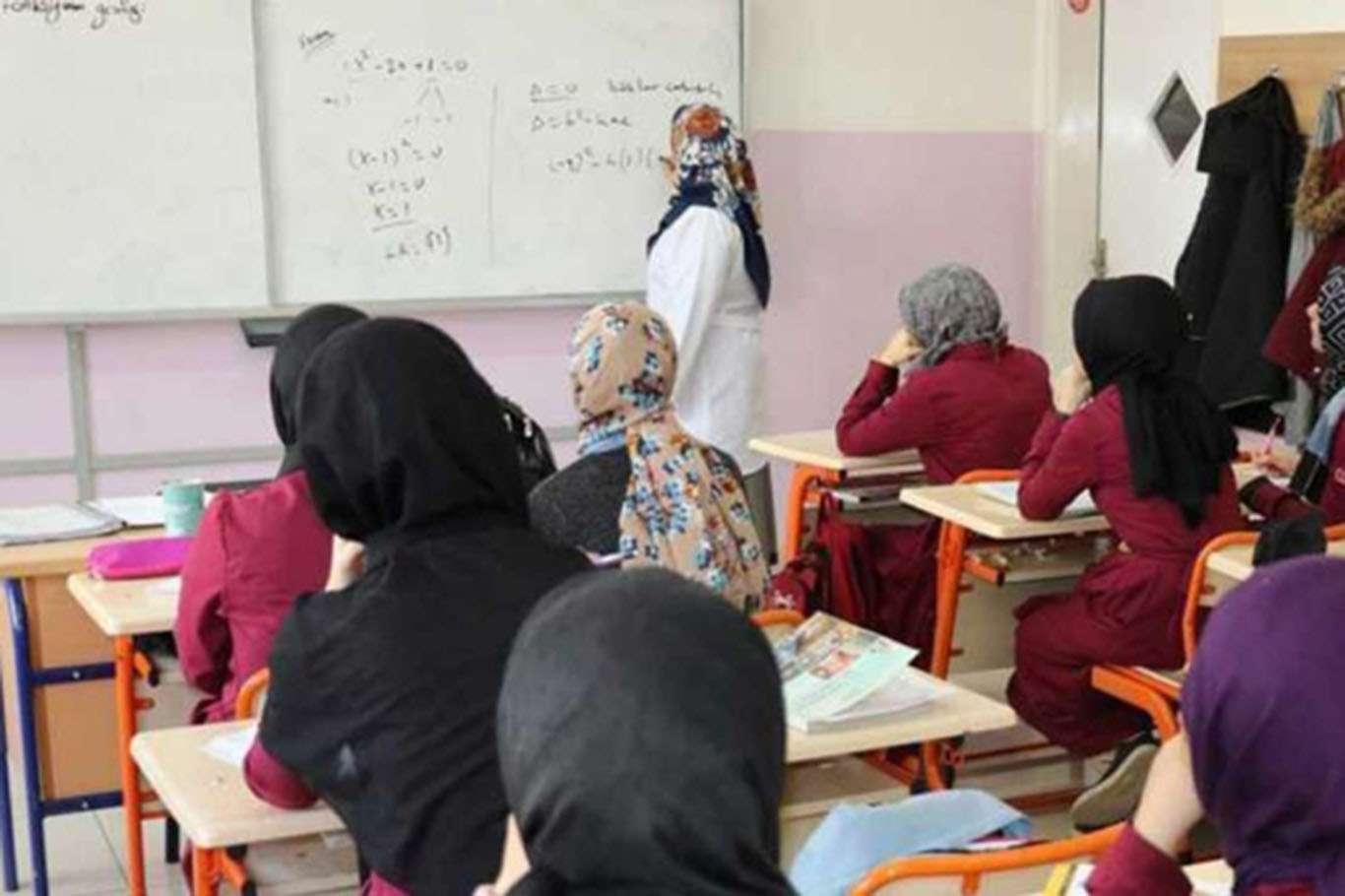
A total of 17,704,308 students received formal education in Türkiye during the 2025-2026 academic year, according to the Ministry of National Education’s (MEB) "National Education Statistics: Formal Education 2025-2026" report.
The students were enrolled in pre-school, primary, lower secondary and upper secondary education institutions, while the total number of teachers working in educational institutions reached 1,211,799.
The report showed that 9,089,093 of the students were boys and 8,615,215 were girls.
A total of 15,167,794 students received education in public schools, 1,485,021 in private schools and 1,051,493 through open education institutions.
Most students are enrolled in primary and secondary education levels
According to the statistics, 1,739,723 students were enrolled in pre-school education, 5,408,899 in primary schools, 5,307,934 in lower secondary schools and 5,247,752 in upper secondary schools.
Of the students in upper secondary education, 3,046,666 attended general secondary schools, 1,736,473 attended vocational and technical schools, and 464,613 attended Anatolian imam hatip high schools.
Teacher and classroom capacity continues to expand
The number of teachers working in formal education institutions reached 1,170,320. Including teachers employed in non-formal education and other units, the total number of teachers rose to 1,211,799.
Of the total teaching staff, 1,067,218 worked in public schools and institutions, while 144,581 worked in private educational institutions.
The average number of students per teacher was recorded as 17 in primary schools, 13 in lower secondary schools and 12 in upper secondary schools.
Türkiye had a total of 769,933 classrooms during the 2025-2026 academic year. The average number of students per classroom was 19 in primary schools, 25 in lower secondary schools and 21 in upper secondary schools.
More than 75 thousand schools provide education services
A total of 75,012 schools operated across Türkiye during the academic year.
Among these, 59,914 were public schools, 15,094 were private schools and four were open education institutions.
The number of schools included 18,636 pre-schools, 25,000 primary schools, 18,977 lower secondary schools and 12,399 upper secondary schools.
Upper secondary enrolment rate reaches 87.09 per cent
The schooling rate for five-year-old children in pre-school education stood at 84.14 per cent.
The rate was recorded at 98.46 per cent for primary school-age children, 98.16 per cent for lower secondary school-age children and 87.09 per cent for upper secondary school-age students.
Vocational education gains a larger share
The share of vocational and technical education among formal upper secondary education programmes increased from 37.56 per cent in the 2024-2025 academic year to 39.51 per cent in 2025-2026.
The number of students receiving vocational and technical secondary education, including vocational open education, increased from 1,681,100 to 1,736,473.
More than 345 thousand students received scholarships
The number of students benefiting from scholarships reached 345,112 during the 2025-2026 academic year.
A total of 765,728 students benefited from transportation services provided to improve access to education, while 150,405 students in special education programmes received transportation support.
In addition, accommodation opportunities were provided for nearly 500,000 students in 2,852 boarding facilities.(ILKHA)
LEGAL WARNING: All rights of the published news, photos and videos are reserved by İlke Haber Ajansı Basın Yayın San. Trade A.Ş. Under no circumstances can all or part of the news, photos and videos be used without a written contract or subscription.

HÜDA PAR's Education Affairs Directorate has called for a review of security measures around schools following an armed attack near a high school in Turgutlu district of Manisa province that injured several students.
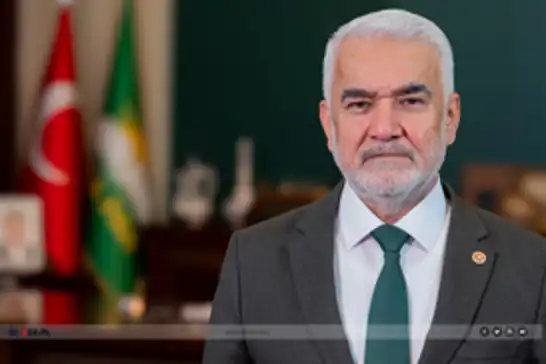
HÜDA PAR (Free Cause Party) Chairman Zekeriya Yapıcıoğlu called on the government to strengthen values-based education and ease school-related costs for families as the 2026-2027 academic year began on Monday.
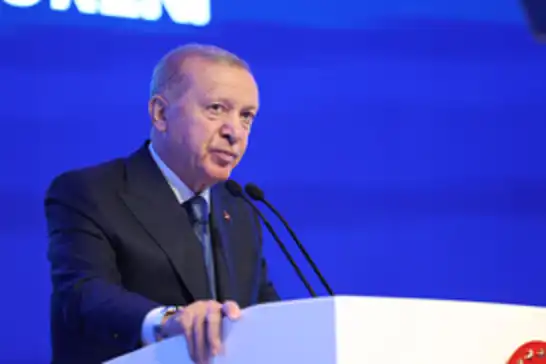
Turkish President Recep Tayyip Erdoğan has highlighted Türkiye’s strong performance in the latest international education assessment, saying the country recorded the largest increase in scores among OECD members across science, mathematics and reading.