Türkiye's elderly population hits record 11.1% as demographic shift deepens
 13 oC
13 oC 
Güneşli

Türkiye’s population continued to increase during the first half of 2026, reaching 86.32 million by July 1, while demographic data showed that the country’s population is also continuing to age.
According to second-quarter 2026 data from the Turkish Statistical Institute (TÜİK) based on the Address Based Population Registration System (ADNKS), Türkiye’s population stood at 86,320,602 as of July 1.
The figure represents an increase of 228,434 people compared with the 86,092,168 recorded at the end of 2025.
Of the total increase, 123,904 people were added between May 1 and July 1, indicating that population growth continued during the second quarter.
Share of Children Declines
Despite continued population growth, the latest figures point to a significant transformation in Türkiye’s age structure.
The proportion of children aged 0-14 has continued to decline. The share of this age group, which was close to 30% of the total population in the early 2000s, has now fallen to 20.4%.
The decline highlights the gradual weakening of Türkiye’s traditionally young demographic profile and points to a continued reduction in the relative size of younger generations.
At the same time, the proportion of older people has reached a record level.
Elderly Population Reaches Historic High
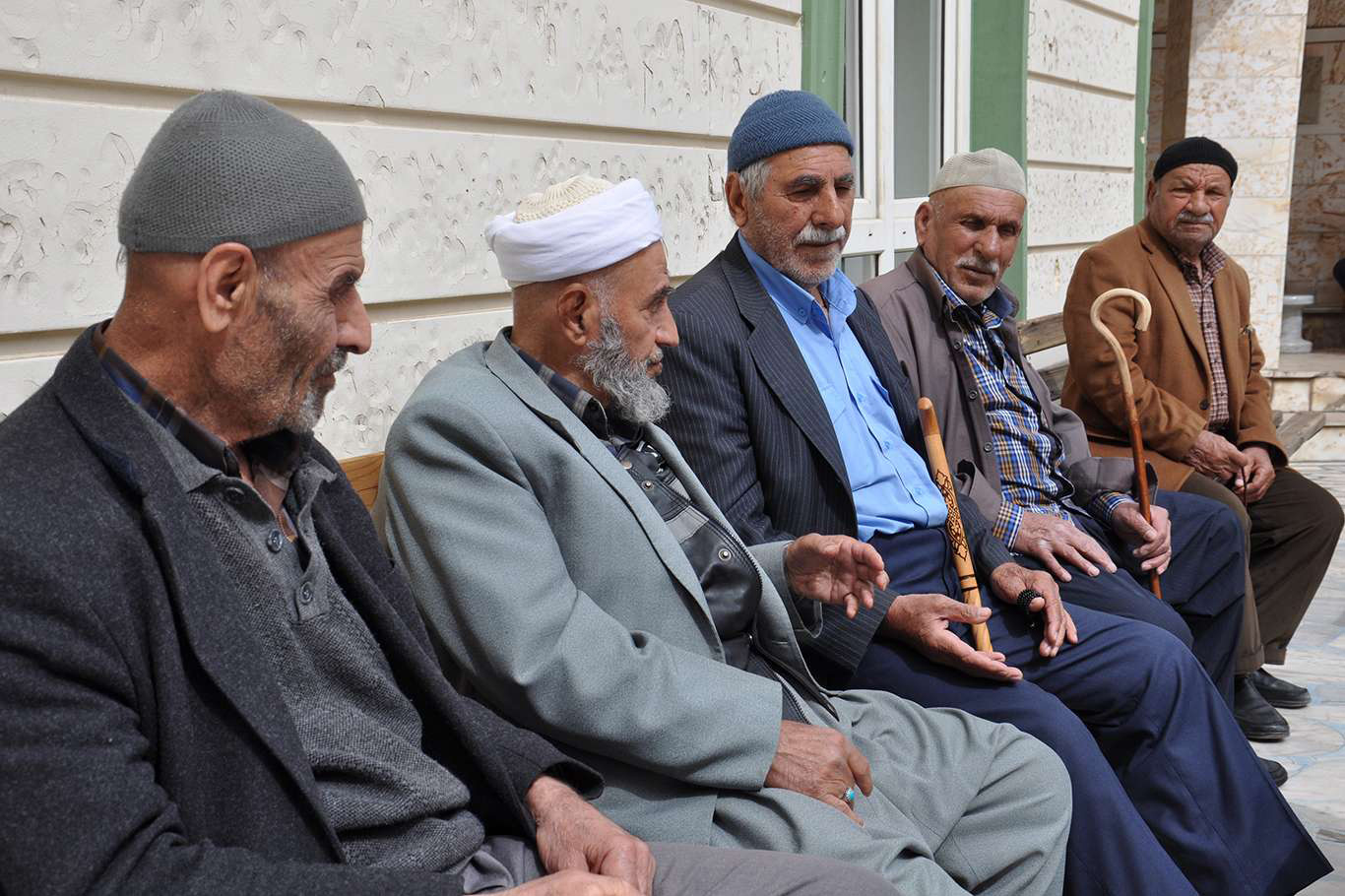
The share of people aged 65 and over reached 11.1%, marking the highest level recorded to date, according to the data.
The simultaneous decline in the share of children and increase in the elderly population indicate that Türkiye is undergoing a profound demographic transition.
While the country’s total population continues to expand, the composition of that population is changing, with older age groups accounting for an increasingly significant proportion.
Demographic Shift to Shape Policy
The changing age structure is expected to have increasingly important implications for Türkiye’s social and economic policies in the coming years.
A shrinking share of children and young people could affect education planning, while the growing elderly population is likely to increase demand for healthcare, social security and elderly-care services.
The demographic shift could also have significant consequences for the labor market. A slower increase in the working-age population may influence labor supply, productivity, retirement policies and the long-term sustainability of social protection systems.
The latest figures therefore suggest that Türkiye’s demographic challenge is no longer simply about population growth, but increasingly about how the country will adapt to a rapidly changing age structure. (ILKHA)
LEGAL WARNING: All rights of the published news, photos and videos are reserved by İlke Haber Ajansı Basın Yayın San. Trade A.Ş. Under no circumstances can all or part of the news, photos and videos be used without a written contract or subscription.

Europe is facing a growing threat from mosquito-borne diseases as West Nile virus continues to spread and invasive mosquito species become established in new parts of the continent, the European Centre for Disease Prevention and Control (ECDC) warned Friday.

The Democratic Republic of the Congo (DRC) has received an initial allocation of 70,000 doses of the Ervebo Ebola vaccine from the global emergency vaccine stockpile as authorities step up efforts to contain an ongoing outbreak of Bundibugyo virus disease.

Spain has recorded nearly 4,500 heat-related deaths since the beginning of June, marking the highest number for the period since 2022, according to data from the public Carlos III Health Institute.