WHO sounds alarm over fast-spreading Ebola outbreak in DR Congo
 13 oC

Güneşli

A rapidly escalating Ebola outbreak in the eastern Democratic Republic of the Congo has triggered growing international alarm, with the World Health Organization declaring the crisis a Public Health Emergency of International Concern (PHEIC) amid fears of wider regional spread.
Health authorities say the outbreak, caused by the rare and highly dangerous Bundibugyo strain of the Ebola virus, has already resulted in more than 500 suspected cases and at least 130 suspected deaths across conflict-ridden regions of eastern Congo, while confirmed infections have also emerged in neighboring Uganda.
WHO Director-General Tedros Adhanom Ghebreyesus warned that the speed and scale of the outbreak are deeply concerning, particularly because the Bundibugyo strain currently has no approved vaccine or specific treatment.
The epidemic is centered in Ituri Province in eastern Congo, a region already devastated by armed conflict, mass displacement, poverty, and a collapsing healthcare infrastructure. Health workers on the ground say the real number of infections is likely far higher than official figures.
Mesfin Teklu Tessema of the International Rescue Committee described current figures as “the tip of the iceberg,” warning that the porous border with South Sudan makes cross-border spread increasingly likely.
Medical teams have reported severe shortages of gloves, masks, goggles, and other protective equipment, leaving frontline healthcare workers dangerously exposed. Several health workers have already died after becoming infected while treating patients.
Experts say the virus likely originated through a “spillover event,” in which a human contracted the disease through contact with an infected animal before the virus began spreading between people.
Scientists from Congo and Uganda recently published the genome sequence of the virus, a move researchers say could help trace transmission chains and improve containment efforts.
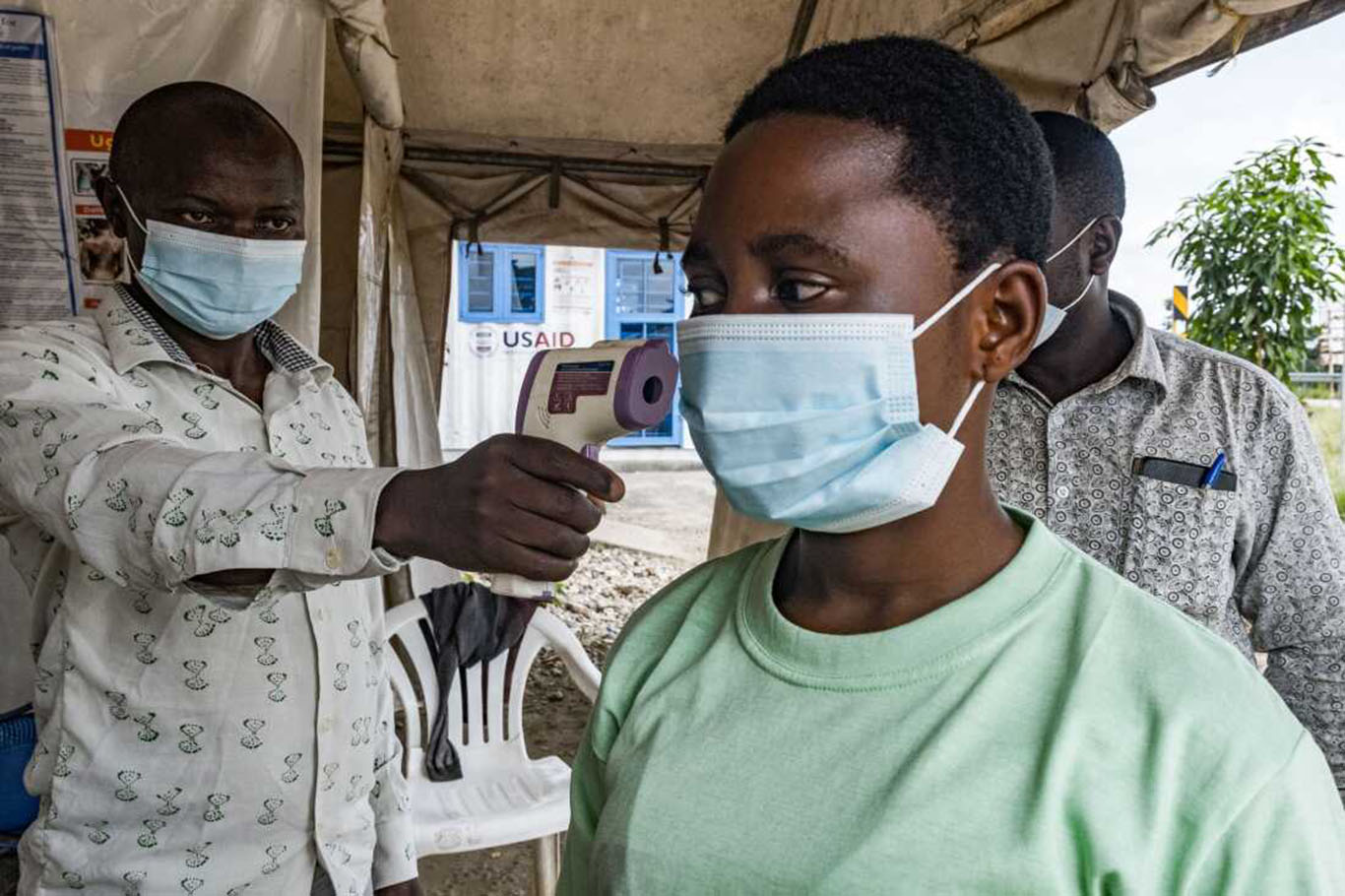
Uganda has confirmed at least two imported Ebola cases linked to travelers arriving from Congo, including one fatality in the capital Kampala. Health authorities there have intensified emergency measures, including screening at border crossings and restrictions on public gatherings.
Uganda’s annual Martyrs’ Day celebrations, which usually attract millions of pilgrims, were cancelled as authorities attempted to prevent mass transmission events.
Meanwhile, Rwanda has temporarily closed its border with the DRC, while the United States has imposed travel restrictions on individuals arriving from affected areas. A U.S. citizen who tested positive for Ebola was transferred to Germany for treatment.
Unlike the more common Zaire strain of Ebola, which has licensed vaccines and treatments, the Bundibugyo strain has no approved medical countermeasures, creating enormous challenges for global health agencies.
WHO officials confirmed that international experts are urgently evaluating experimental vaccines and treatments still under development to determine whether any could be deployed during the current emergency.
Health officials warned that controlling the outbreak may take many months, if not years, especially given the insecurity and weak healthcare access in eastern Congo. (ILKHA)
LEGAL WARNING: All rights of the published news, photos and videos are reserved by İlke Haber Ajansı Basın Yayın San. Trade A.Ş. Under no circumstances can all or part of the news, photos and videos be used without a written contract or subscription.
France has reported the first documented case of human infection with the Shamonda virus, which has previously been detected only in animals, the World Health Organization (WHO) said Thursday.
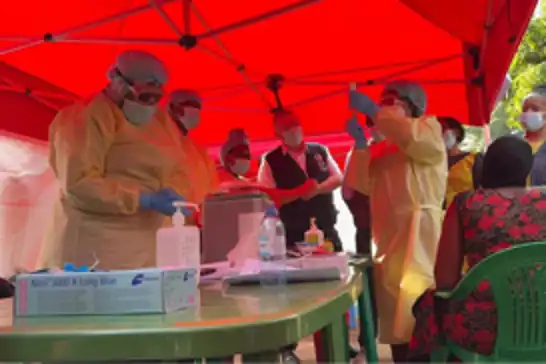
The World Health Organization (WHO) on Thursday warned that the ongoing Ebola outbreak has become a regional public health concern, urging African countries to strengthen coordination as infections spread across Central, Eastern and Western Africa.
Türkiye's Directorate of Religious Affairs (Diyanet) dedicated this week's Friday sermon to Gaza, describing the ongoing genocide as "humanity's test" and calling on Muslims to stand with the Palestinian people through solidarity, remembrance and a principled boycott against oppression.
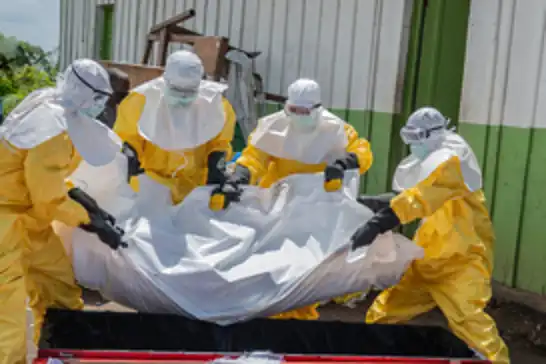
A candidate vaccine against the deadly Bundibugyo strain of Ebola has entered a new phase of clinical testing in Uganda, as health authorities accelerate efforts to develop effective vaccines against a virus that has caused one of the largest and fastest-growing Ebola outbreaks ever recorded in the Democratic Republic of the Congo (DRC).