WHO warns DRC Ebola outbreak could become deadliest on record
 13 oC
13 oC 
Güneşli

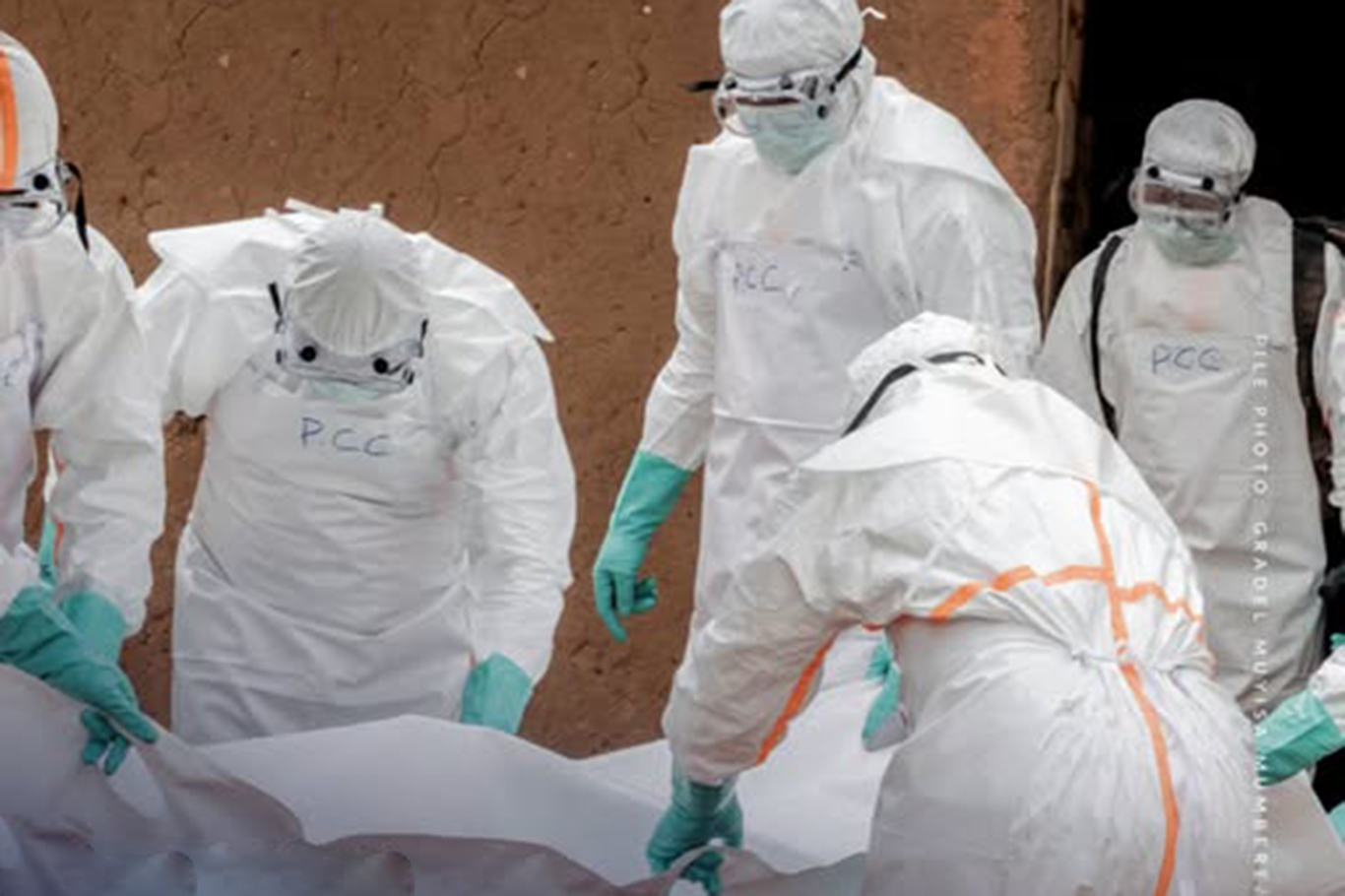
The Ebola outbreak sweeping the eastern Democratic Republic of Congo (DRC) is on course to become the deadliest outbreak in the disease’s history if transmission continues at its current rate, the World Health Organization (WHO) has warned.
WHO Director-General Tedros Adhanom Ghebreyesus said the 2026 outbreak could surpass the West African Ebola epidemic of 2014–2016, which killed more than 11,000 people.
More than 4,300 cases and over 2,000 deaths have been recorded in the DRC since the outbreak was officially declared on May 15. As of August 11, the reported toll stood at 4,381 cases and 2,011 confirmed deaths across five provinces, according to figures cited by Reuters.
Although the outbreak was officially declared in May, health officials now believe transmission began as early as February, meaning the virus was spreading for months before it was formally identified.
WHO Africa Director Mohamed Janabi said health workers were effectively “chasing” the virus, which had gained a significant head start. Early infections were reportedly mistaken for diseases such as malaria and typhoid, delaying detection and response.
The rapid growth has made the current outbreak the largest ever recorded involving the Bundibugyo species of Ebola, according to WHO reporting.
The outbreak is being caused by Bundibugyo virus, a relatively rare Ebola species previously associated with outbreaks in Uganda in 2007 and 2012.
Unlike the Ebola virus responsible for the devastating 2014–2016 West African epidemic, there is currently no approved vaccine specifically for Bundibugyo virus and no established antiviral treatment specifically authorized for the strain.
WHO says the outbreak has been particularly difficult to contain because transmission is occurring in remote and conflict-affected parts of eastern DRC.
Ongoing insecurity has severely restricted access for medical teams. WHO officials say health workers are currently reaching only around 30% of cases, limiting contact tracing, isolation and treatment efforts.
The affected region is also close to international borders and major population-movement routes, increasing concerns about further regional spread.
The outbreak has already demonstrated its cross-border potential. Uganda reported imported cases linked to the DRC outbreak, although its situation subsequently improved and the country entered a 42-day countdown toward declaring its outbreak over after its last confirmed patient recovered.
The WHO says its immediate objective is to bring transmission under control within three months, rather than necessarily declare the outbreak completely over within that period.
That effort will require improved surveillance, faster diagnosis, expanded treatment capacity, stronger contact tracing and greater access to affected communities.
The WHO has also been supporting vaccine research and clinical trials. New vaccine candidates are being tested in affected areas, while researchers are investigating whether existing antiviral therapies can improve survival.
A vaccine developed by researchers at the University of Oxford, using technology related to the Oxford-AstraZeneca COVID-19 vaccine, has received authorization in the United Kingdom for first-in-human trials.
The speed at which deaths have accumulated has intensified concerns among international health agencies. The current outbreak has already surpassed the number of cases recorded during the two previous Bundibugyo outbreaks combined.
WHO officials warn that without a major acceleration in containment efforts, the outbreak could overtake the 2014–2016 West African epidemic and become the deadliest Ebola outbreak ever recorded.
For communities in eastern DRC, the crisis is unfolding against a backdrop of conflict, displacement and fragile healthcare infrastructure, making the fight against the virus considerably more difficult. (ILKHA)
LEGAL WARNING: All rights of the published news, photos and videos are reserved by İlke Haber Ajansı Basın Yayın San. Trade A.Ş. Under no circumstances can all or part of the news, photos and videos be used without a written contract or subscription.
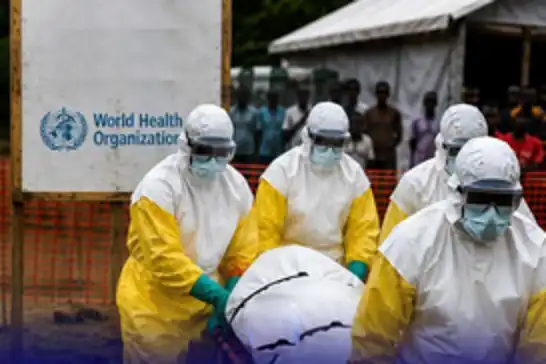
The ongoing Ebola outbreak in the Democratic Republic of the Congo (DRC) is severely disrupting essential healthcare services for children and women, with new data showing a sharp decline in vaccinations, maternal care, and routine medical treatment as fear of infection and strained health services keep families away from clinics.
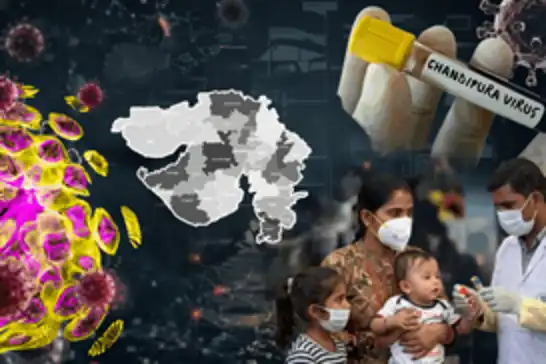
India has deployed a National Joint Outbreak Response Team (NJORT) to assist health authorities in containing a deadly outbreak of the Chandipura virus (CHPV) after the disease claimed the lives of 22 children and spread across parts of the western states of Gujarat and Rajasthan.

Australian authorities have confirmed the country's first mass mortality event among wild birds caused by the highly pathogenic H5 avian influenza virus, marking a significant escalation in the spread of the disease across the nation's wildlife.