Moscow ridicules former Ukrainian FM’s proposal to rename country ‘Rus’
 13 oC
13 oC 
Güneşli

Russia has sharply dismissed a proposal by former Ukrainian Foreign Minister Borys Tarasyuk to rename Ukraine as “Rus,” describing the idea as inconsistent with Kyiv’s long-standing political stance and historical narrative.
The proposal, which has not been endorsed by the Ukrainian government, has revived debate over the legacy of the medieval Kyivan Rus state, regarded by both Ukraine and Russia as a foundational part of their national histories.
Tarasyuk argued that adopting the name "Rus" would reinforce Ukraine's historical connection to Kyivan Rus, the medieval East Slavic polity centered in present-day Kyiv. He suggested that such a move would underscore Ukraine's claim to the historical heritage of the state, which existed between the 9th and 13th centuries.
Despite attracting public attention, the proposal remains an individual initiative. Ukrainian authorities have neither announced plans to pursue a name change nor introduced any related legislation.
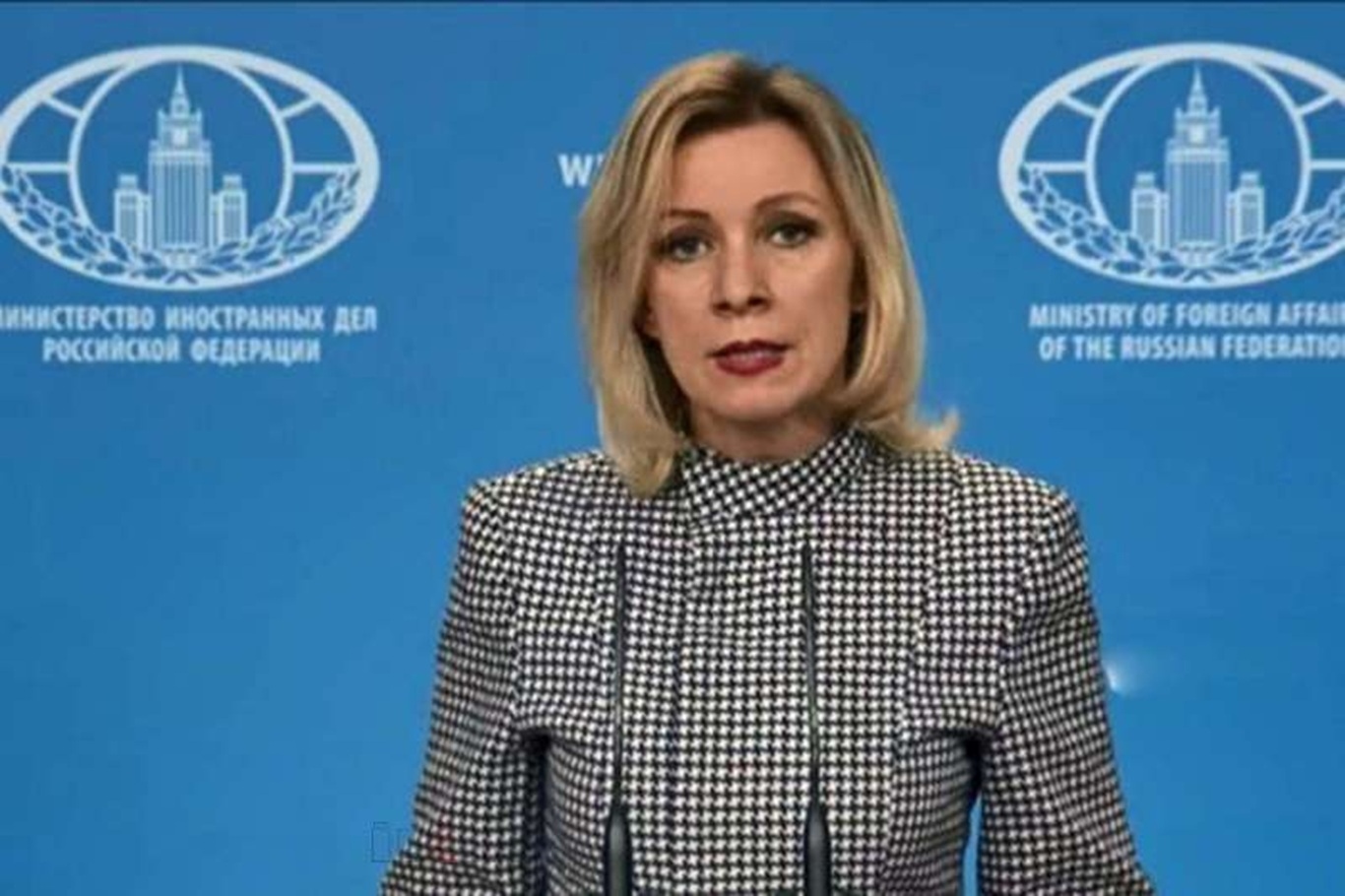
Responding to Tarasyuk's remarks, Russian Foreign Ministry spokeswoman Maria Zakharova dismissed the proposal, saying it contradicted what Moscow considers Kyiv's previous political messaging regarding its relationship with Russia and its interpretation of shared history.
Zakharova argued that the suggestion highlighted inconsistencies in Ukraine's approach to questions of national identity and historical heritage, reiterating Russia's position on the historical legacy of Kyivan Rus.
The exchange highlights the enduring dispute between Moscow and Kyiv over the origins and legacy of the medieval state, with both countries asserting historical and cultural links to Kyivan Rus as a cornerstone of their national identities.
Historians generally agree that Kyivan Rus was a medieval East Slavic polity centered on Kyiv, but interpretations of its political and cultural legacy differ. Ukraine views Kyivan Rus as the foundation of its statehood and national identity, while Russia regards it as the historical origin of the broader East Slavic civilization that later evolved into the Russian state.
The competing historical narratives have become increasingly politicized in recent years, particularly since relations between Moscow and Kyiv deteriorated following Russia's annexation of Crimea in 2014 and the subsequent escalation of the conflict between the two countries.
The latest exchange underscores how history, identity, and cultural heritage remain central to the broader political and geopolitical tensions between Russia and Ukraine, even as the two nations remain locked in an ongoing conflict. (ILKHA)
LEGAL WARNING: All rights of the published news, photos and videos are reserved by İlke Haber Ajansı Basın Yayın San. Trade A.Ş. Under no circumstances can all or part of the news, photos and videos be used without a written contract or subscription.
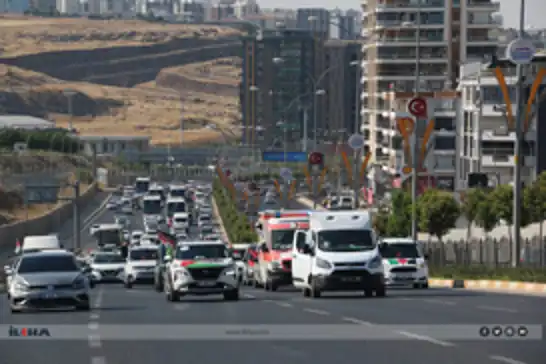
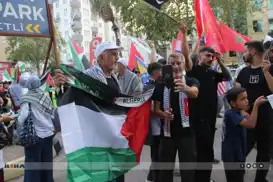
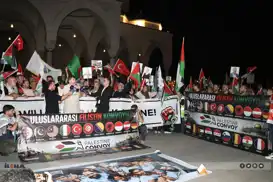
The International Palestine Convoy, which set out from Europe to raise awareness of the ongoing suffering in Palestine and mobilize international solidarity, was warmly welcomed in Şanlıurfa by civil society organizations, activists and citizens who gathered to express support for the Palestinian people and Gaza.
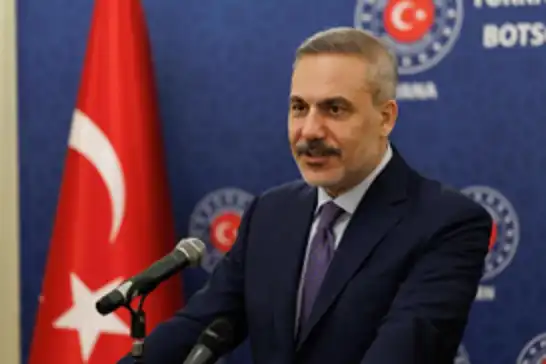
Turkish Foreign Minister Hakan Fidan will participate in a ministerial meeting on Jerusalem to be held in the Jordanian capital, Amman, on August 5, Türkiye's Foreign Ministry announced on Tuesday.
Ukraine's parliament has ratified the Free Trade Agreement (FTA) signed with Türkiye, marking a significant step toward expanding bilateral trade and economic cooperation between the two countries.