Brazil introduces mandatory facial recognition for mobile phone users
 13 oC

Güneşli

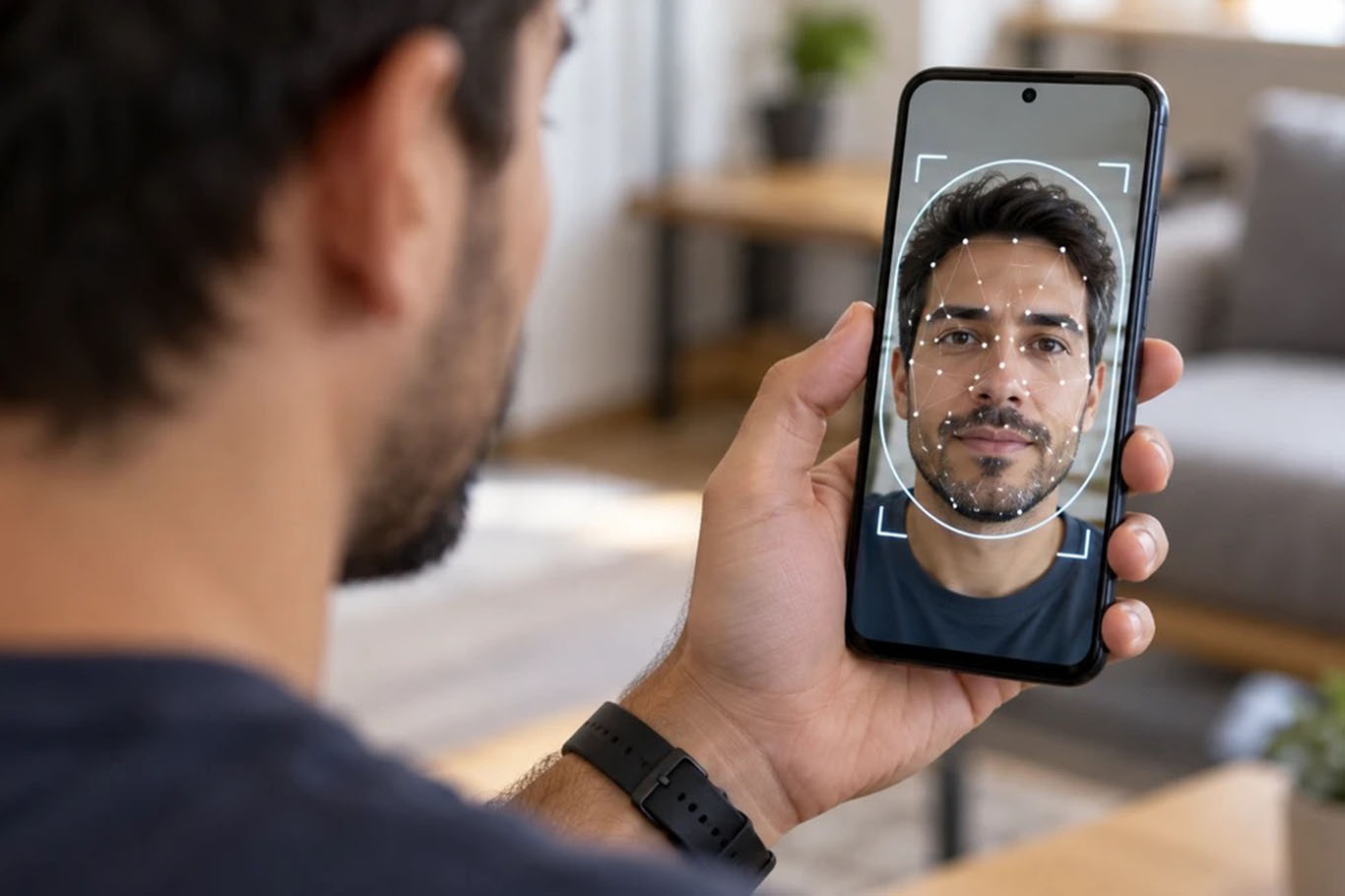
Brazil’s National Telecommunications Agency (Anatel) has approved regulations requiring mobile phone users to undergo facial recognition with a live verification check to activate or maintain their cellular lines, as authorities seek to combat digital fraud and identity theft.
The requirement will initially apply to new prepaid mobile line activations before expanding to new postpaid subscriptions, number portability requests, SIM card replacements and updates to subscriber registration details.
Under the rules, users must complete biometric verification by scanning their faces and performing a movement-based check to confirm they are physically present. The biometric data will then be cross-referenced against public or private databases to verify subscribers’ identities.
The regulation covers individual subscribers and micro-entrepreneurs and will apply to registrations conducted through physical stores, mobile operators’ official websites and their applications.
Existing subscribers will also be required to complete biometric re-registration by a specified deadline. Mobile lines that remain unverified may face suspension for up to 120 days, with potential cancellation beginning May 1, 2029, if users fail to comply.
Anatel said the measures are intended to strengthen identity verification and prevent digital scams, identity theft, and the fraudulent or unauthorized activation of mobile phone lines.
The new rules mark a significant expansion of biometric identification requirements in Brazil’s telecommunications sector, making facial verification a central part of the process for activating and maintaining mobile services. (ILKHA)
LEGAL WARNING: All rights of the published news, photos and videos are reserved by İlke Haber Ajansı Basın Yayın San. Trade A.Ş. Under no circumstances can all or part of the news, photos and videos be used without a written contract or subscription.

A new survey by the Turkish Statistical Institute (TurkStat) has revealed that 92.7 per cent of children aged 6-17 use the internet, while 69.8 per cent use social media. The study also found that 63 per cent of children use generative artificial intelligence tools and 10.2 per cent have experienced cyberbullying.

The popular Tim Hortons mobile app is transmitting extensive information about users' devices to an Israeli-founded cybersecurity company, raising fresh concerns about digital privacy, data collection and the potential for device tracking, according to recent investigations.

Scientists have confirmed the presence of the elusive sand cat (Felis margarita) in southwestern Tunisia for the first time in nearly a century, offering a rare glimpse of one of the desert’s most secretive wild felines.

The United States and nine partner countries have signed an agreement to strengthen the security of critical technologies and supply chains underpinning artificial intelligence (AI), as Washington seeks to reinforce its technological position amid intensifying global competition.