Neuralink patients now able to control robotic arms using only their thoughts
 13 oC
13 oC 
Güneşli

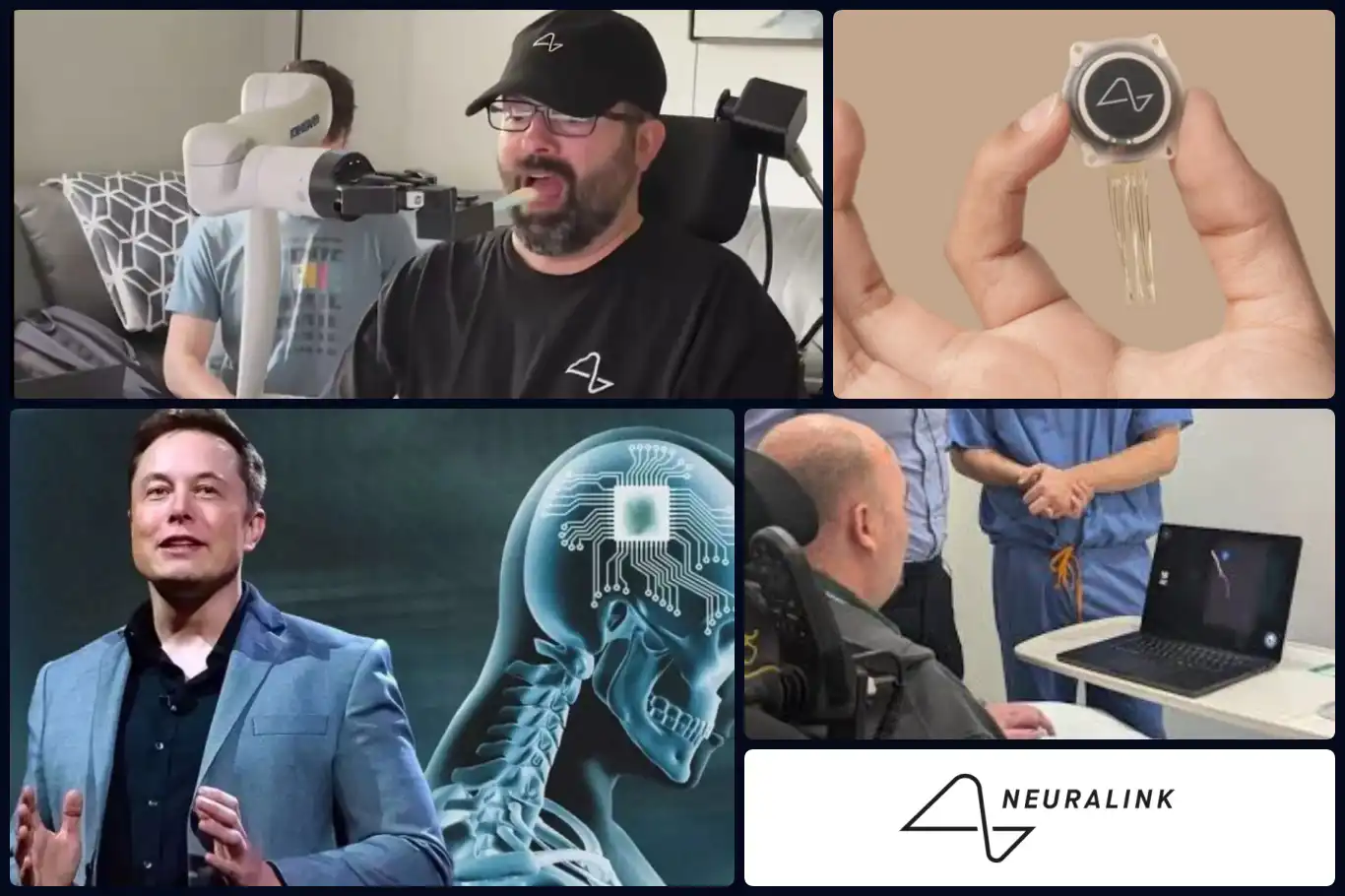
People implanted with Elon Musk’s Neuralink brain chip can now operate robotic arms through thought alone, marking a new stage in the company’s brain–computer interface (BCI) trials as capabilities expand beyond controlling digital devices.
In a video posted on X, Neuralink patient Rocky Stoutenburgh — who was paralysed in 2006 — demonstrated his ability to manipulate a robotic arm solely with his mind. The footage shows Stoutenburgh directing the arm toward his face and kissing it, highlighting the device’s potential to assist people with severe mobility impairments.
“Participants in our clinical trials have extended digital computer control to physical devices such as assistive robotic arms,” Neuralink said in a statement on X, which is also owned by Musk. The company added that it plans to widen the range of devices compatible with the implant.
Neuralink’s technology is designed to help paralysed individuals operate personal electronics and regain some functional mobility by connecting their nervous system to a BCI capable of interpreting neural activity. The device remains in clinical trials as researchers assess its safety and early performance in people with conditions that severely limit movement.
As of September, 12 people had received the implant since January 2024. The first volunteer — paralysed after a spinal cord injury — used the device to play video games and chess. Subsequent participants include patients with spinal cord injuries and amyotrophic lateral sclerosis (ALS), a progressive disease that impairs motor function.
Musk said more than 10,000 people have joined Neuralink’s patient registry, expressing interest in taking part in future trials.
Neuralink is one of several companies developing BCI technologies. Other research teams and clinical trials in the United States are exploring similar devices for people with cerebral palsy, dementia, stroke-related disabilities, and other neurological conditions. (ILKHA)
LEGAL WARNING: All rights of the published news, photos and videos are reserved by İlke Haber Ajansı Basın Yayın San. Trade A.Ş. Under no circumstances can all or part of the news, photos and videos be used without a written contract or subscription.

The share of individuals and businesses using artificial intelligence in Türkiye nearly doubled in 2026, with younger people and highly educated individuals reporting the highest levels of use, the Turkish Statistical Institute (TurkStat) said in a statement on Friday.

A breach of a Pentagon personnel database exposed sensitive information belonging to more than 3 million current and former military and civilian personnel, including Social Security numbers and details about their jobs, according to U.S. defense officials.

US President Donald Trump has proposed replacing the term “artificial intelligence” with “super intelligence,” saying the word “artificial” makes the technology sound less authentic than it is.

Sensitive components from the F-35 stealth fighter were unexpectedly diverted to Hong Kong while being shipped from Australia to the United States for repairs, with some of the parts subsequently reported missing, raising concerns in Washington over the possible exposure of highly sensitive military technology.