Afghanistan's Islamic Emirate seeks normal relations with Pakistan, spokesman says
 13 oC
13 oC 
Güneşli

The Islamic Emirate of Afghanistan has reaffirmed its commitment to improving relations with Pakistan, saying it does not seek continued tensions with its neighbor and remains committed to restoring normal diplomatic, economic, and trade ties.
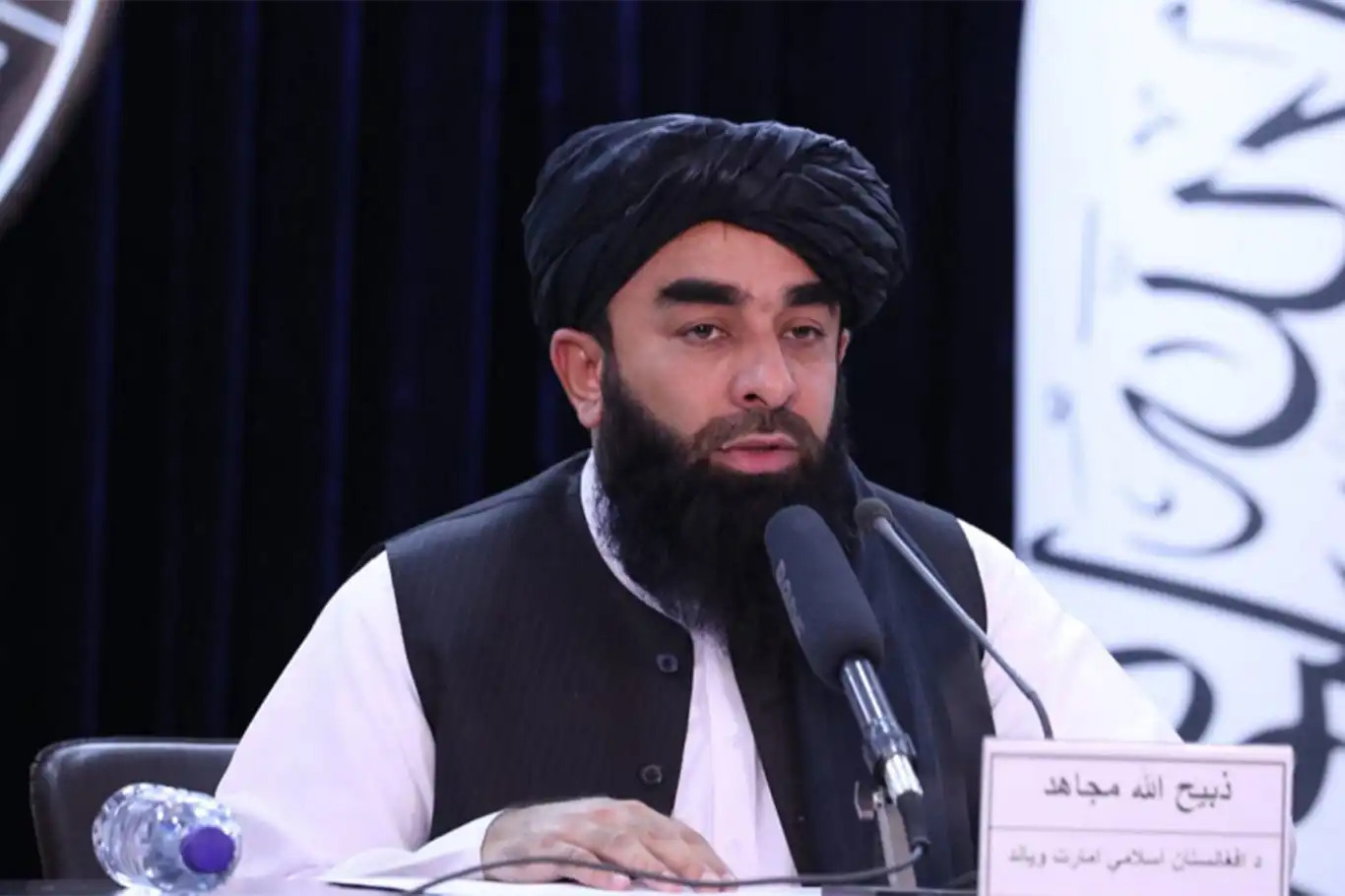
Speaking at a press conference on Saturday, Islamic Emirate spokesman Zabihullah Mujahid said Afghanistan's foreign policy is based on maintaining constructive relations with all countries, stressing that Kabul had not initiated the recent tensions with Islamabad.
"The Islamic Emirate seeks normal relations with all countries as part of its foreign policy," Mujahid said, adding that Afghanistan had no interest in allowing disputes with Pakistan to escalate.
According to Mujahid, prolonged tensions between the two neighboring countries serve neither side's interests and have negative consequences for regional stability, trade, and humanitarian cooperation.
"Unfortunately, the Pakistani side created problems at the beginning of last year by closing crossings and adopting certain policies that were not appropriate for the two countries, forcing Afghanistan to respond," he said.
"We did not initiate any such actions, nor do we want relations between the two countries to deteriorate, especially in the economic and trade sectors, which are humanitarian issues," Mujahid added.
Relations between Kabul and Islamabad have experienced repeated strains over the past year, with disputes involving border management, cross-border security, trade restrictions, and the temporary closure of key border crossings affecting commerce and the movement of people between the two countries.
Despite the ongoing disagreements, Mujahid emphasized that the Islamic Emirate remains committed to resolving differences through dialogue and restoring normal bilateral relations.
Meanwhile, criticism of Pakistan's policies has also emerged from within the country.
Pakistan's Defense Minister Khawaja Asif recently echoed comments by Interior Minister Mohsin Naqvi, who described Pakistan's system of governance as outdated and in need of reform. Asif, however, argued that institutional reforms should be pursued through parliament and the federal cabinet rather than at business forums.
Several Pakistani politicians have also previously urged Islamabad to pursue dialogue rather than confrontation in its approach toward Afghanistan, arguing that engagement and diplomacy offer the most effective path to resolving bilateral disputes.
The latest remarks from Kabul come amid continued efforts by regional stakeholders to encourage cooperation between Afghanistan and Pakistan, with observers noting that improved relations would benefit regional trade, border security, and economic development while contributing to greater stability across South and Central Asia. (ILKHA)
LEGAL WARNING: All rights of the published news, photos and videos are reserved by İlke Haber Ajansı Basın Yayın San. Trade A.Ş. Under no circumstances can all or part of the news, photos and videos be used without a written contract or subscription.

At least 14 people were killed and more than 20 others injured in an apparent suicide bombing in Pakistan's northwestern Khyber Pakhtunkhwa province on Sunday, according to emergency officials and police.
Iran has rejected U.S. President Donald Trump's assertion that an agreement had been reached to reopen the Strait of Hormuz, dismissing the claim as false and underscoring the continued uncertainty surrounding diplomatic efforts between Washington and Tehran.

South Korea recorded its highest temperature since modern weather observations began more than a century ago on Sunday, as a severe heatwave continued to grip the country, prompting authorities to issue emergency warnings and urge residents to avoid all outdoor activities.