Iran rejects Trump's claim of Strait of Hormuz agreement
 13 oC
13 oC 
Güneşli

Iran has rejected U.S. President Donald Trump's assertion that an agreement had been reached to reopen the Strait of Hormuz, dismissing the claim as false and underscoring the continued uncertainty surrounding diplomatic efforts between Washington and Tehran.
The denial came hours after Trump announced on his Truth Social platform that he had canceled a planned U.S. military strike against Iran, claiming that Tehran and several regional countries had requested a pause because the framework of a broader agreement had already been established.
According to Trump, the proposed deal would include the immediate reopening of the Strait of Hormuz—one of the world's most strategically important oil shipping lanes—as well as measures to address concerns over Iran's nuclear program.
However, Iranian officials swiftly rejected the claim.
Quoting a source familiar with the ongoing negotiations, Iran's Fars News Agency reported that no such agreement had been reached.
"There is no agreement regarding the reopening of the Strait of Hormuz, and the news published about it is false," the source was quoted as saying.
Iran's acting defense minister, Seyyed Majid Ibn Al-Reza, also dismissed Trump's remarks, describing them as part of a campaign of "psychological warfare."
Fars International likewise characterized the U.S. president's statements as reflecting political aspirations rather than an agreed diplomatic framework.
The contradictory statements from Washington and Tehran have cast fresh doubt over the status of ongoing negotiations aimed at reducing tensions following months of military escalation and diplomatic confrontation.
Despite the public disagreement, diplomatic contacts have continued behind the scenes.
According to regional diplomatic sources, Qatari mediators held talks on Saturday with Iranian Foreign Minister Abbas Araghchi and U.S. Special Envoy Steve Witkoff as part of efforts to keep negotiations alive and prevent further escalation.
Saudi Crown Prince Mohammed bin Salman has also reportedly urged the United States to prioritize diplomacy and avoid military action that could destabilize the wider Middle East.
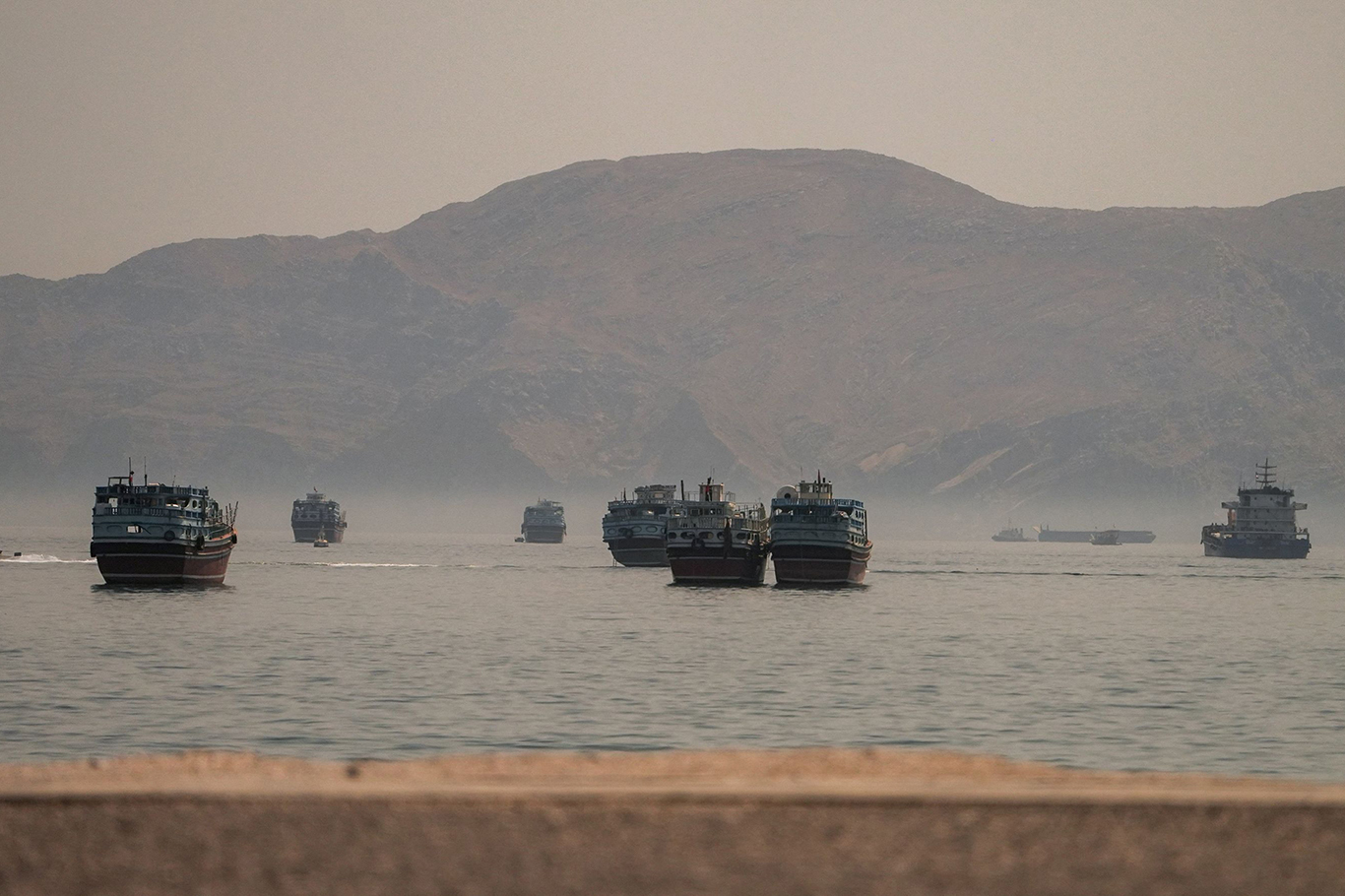
The Strait of Hormuz remains one of the world's most critical maritime chokepoints, with roughly one-fifth of global oil supplies passing through the narrow waterway. Any disruption to shipping in the strait has the potential to trigger sharp increases in global energy prices and heighten geopolitical tensions.
Markets reacted cautiously to the conflicting statements. Oil prices rose after Iran denied Trump's claim of an agreement, reflecting renewed concerns over the security of energy supplies in the Gulf. Meanwhile, cryptocurrency markets remained largely unchanged, with Bitcoin showing little movement despite the geopolitical developments.
The latest exchange follows previous reports of a temporary pause in military action and diplomatic outreach in late July that ultimately failed to produce a breakthrough. While mediation efforts involving Qatar and other regional actors continue, no official agreement has been announced by either Washington or Tehran.
Analysts say the conflicting narratives highlight the fragile state of U.S.-Iran diplomacy, with negotiations continuing amid deep disagreements over regional security, sanctions, and Iran's nuclear program. As talks proceed, uncertainty remains over whether the two sides can translate ongoing diplomatic contacts into a formal agreement capable of easing one of the Middle East's most volatile confrontations. (ILKHA)
LEGAL WARNING: All rights of the published news, photos and videos are reserved by İlke Haber Ajansı Basın Yayın San. Trade A.Ş. Under no circumstances can all or part of the news, photos and videos be used without a written contract or subscription.

At least 14 people were killed and more than 20 others injured in an apparent suicide bombing in Pakistan's northwestern Khyber Pakhtunkhwa province on Sunday, according to emergency officials and police.
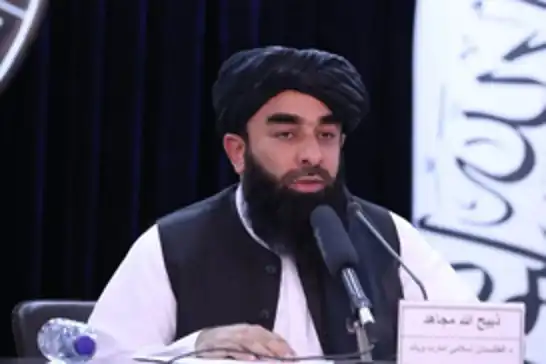
The Islamic Emirate of Afghanistan has reaffirmed its commitment to improving relations with Pakistan, saying it does not seek continued tensions with its neighbor and remains committed to restoring normal diplomatic, economic, and trade ties.

South Korea recorded its highest temperature since modern weather observations began more than a century ago on Sunday, as a severe heatwave continued to grip the country, prompting authorities to issue emergency warnings and urge residents to avoid all outdoor activities.