Australia police facial recognition trial scans more than 1.3 million faces
 13 oC

Güneşli

A five-month facial recognition technology trial conducted by police in Western Australia scanned the faces of 1,380,882 people, resulting in 122 arrests and nine false matches, while also raising concerns over privacy, mass surveillance and algorithmic bias.
The Western Australia Police said in a statement that the pilot programme, which ended on Saturday, involved 100 separate operations at 43 locations across the state.
Facial recognition trial leads to 122 arrests
Facial recognition technology was used during the operations to compare scanned faces with police databases. As a result, 122 people were arrested, 146 registered sex offenders were flagged for police checks, and 10 people were located to determine their health and safety conditions.
Three operations carried out at the Perth Royal Show resulted in the scanning of 223,749 people’s faces. The system generated 15 alerts during these operations, leading to three arrests and seven separate contacts related to registered sex offenders.
Police said nine false matches occurred among the total number of scans. The false match rate was calculated at approximately 0.00065 per cent.
Western Australia Police Commissioner Col Blanch said at a press conference on Sunday that none of the false matches resulted in arrests. He said officers contacted the individuals involved in each case and asked them the necessary questions.
Blanch acknowledged that the system was not perfect but said police officers used the technology in a similar way to procedures followed when citizens provide information about a suspected person.
Privacy and algorithmic bias concerns
The trial faced criticism over concerns that the large-scale collection of biometric data in public places could threaten personal privacy and expand mass surveillance practices.
The Office of the Information Commissioner of Western Australia (OIC WA), the state’s independent privacy oversight body, said it was not involved in implementing the trial and warned that widespread surveillance could have negative consequences for privacy across society.
Experts have also warned that facial recognition systems may disproportionately affect disadvantaged groups that are already overrepresented in police databases. Previous research has shown that some facial recognition algorithms can produce higher false match rates when analysing people with darker skin tones.
Critics of the technology argue that its regulation and operational framework lack sufficient transparency, calling for stronger safeguards against possible misuse, algorithmic bias and accountability issues.
Blanch defended the trial, saying its main purpose was to identify people who posed risks to the community without affecting the daily lives of the majority of citizens and to use modern technology responsibly.
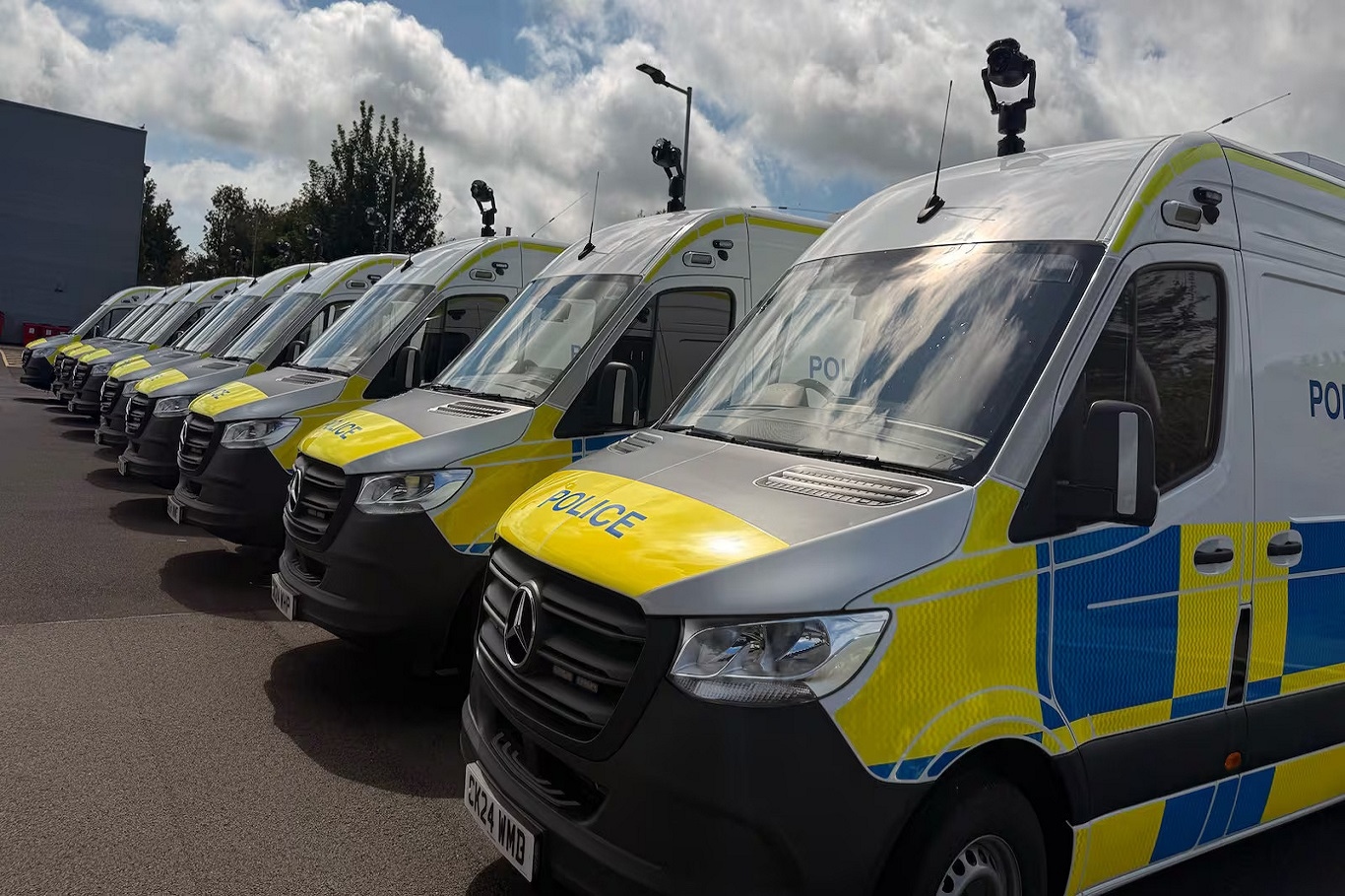
Under the trial, cameras mounted on police vehicles or positioned near them scanned faces in designated public areas and compared them with police watchlists. Images of people who were not on the watchlists were reportedly pixelated in real time and deleted without being stored.
Surveillance vehicles withdrawn after trial ends
Following the completion of the trial, surveillance vehicles used as part of the programme were withdrawn from public areas after previously attracting criticism over privacy and algorithmic discrimination concerns.
Western Australia Police announced that an internal review had been launched to assess the technology’s performance in the field and its impact on the community.
The review will also examine whether the required safeguards and other operational requirements were properly followed during the trial.(ILKHA)
LEGAL WARNING: All rights of the published news, photos and videos are reserved by İlke Haber Ajansı Basın Yayın San. Trade A.Ş. Under no circumstances can all or part of the news, photos and videos be used without a written contract or subscription.

Afghanistan's Ambassador to Saudi Arabia, Sheikh Abdul Fattah Rahimi, met with his Turkish counterpart, Amrullah Eşler, in Riyadh to discuss bilateral relations and diplomatic cooperation.
Israeli occupation forces withdrew from several neighbourhoods of Al-Khalil on Monday after imposing an 11-day siege on the city following a military operation, allowing forcibly displaced families to return to their homes and students to resume their education.
The 109th anniversary of the Balfour Declaration has renewed attention to Britain's colonial role in paving the way for the establishment of Israel and the dispossession of the Palestinian people, marking more than a century of occupation, displacement and resistance.