Bolivian forces clash with protesters in La Paz as economic crisis triggers nationwide unrest
 13 oC
13 oC 
Güneşli

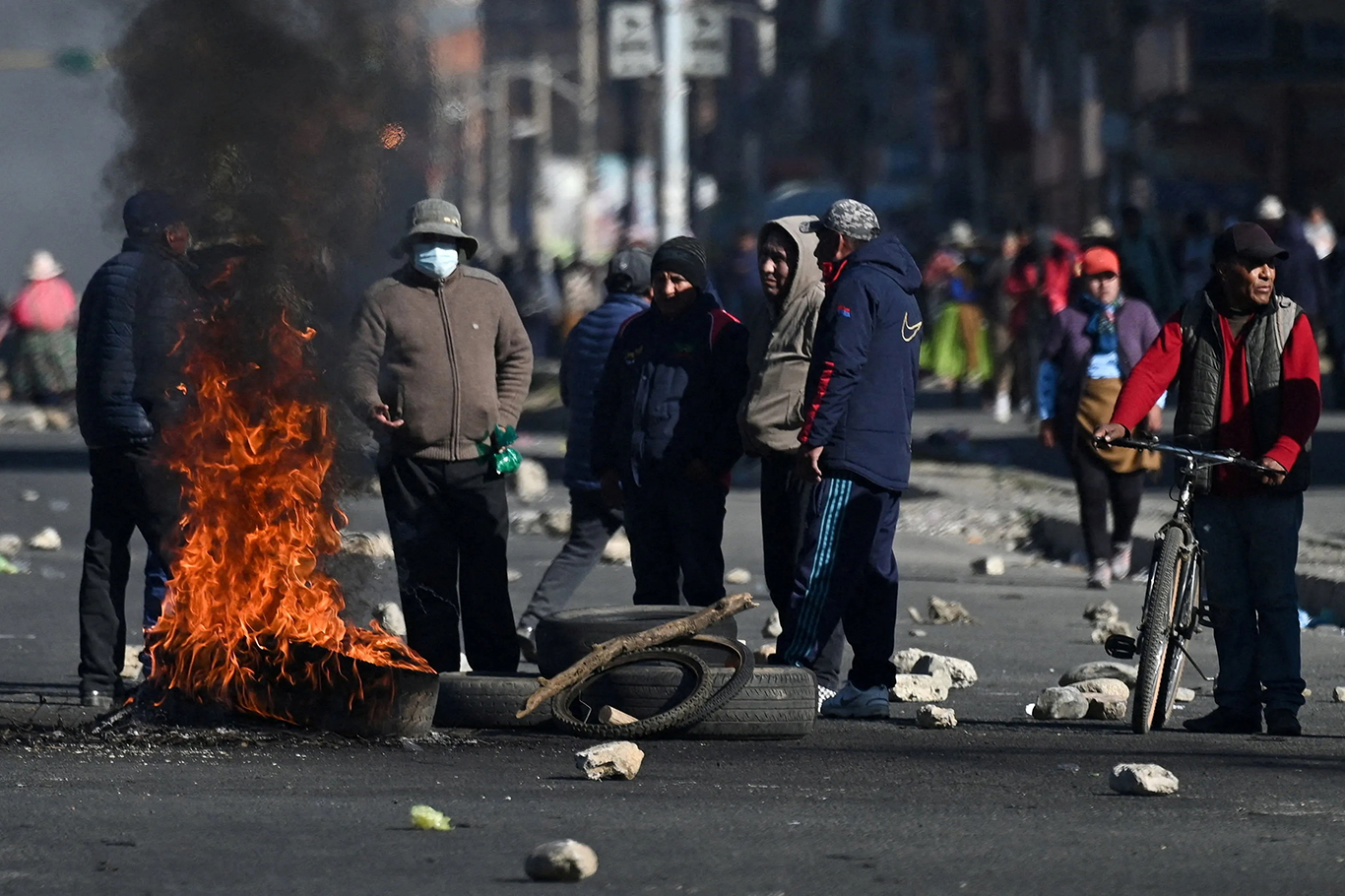
Military and law enforcement personnel clashed with demonstrators outside La Paz on Saturday in a major operation to clear roadways blocked during nationwide antigovernment protests, as Bolivia grapples with its worst economic crisis in decades.
Authorities deployed as many as 3,500 soldiers and police in the early hours of the operation, resulting in around 57 arrests, according to the citizens’ rights ombudsman’s office. The crackdown aimed to establish a “humanitarian corridor” to ensure the flow of essential supplies, particularly to hospitals in the capital, amid reports of disruptions caused by the blockades.
Miners, schoolteachers, Indigenous groups, unions, and rural organizations have driven the protests, fueled by widespread outrage over the policies of centre-right President Rodrigo Paz. Elected in October 2025, Paz’s administration has faced mounting pressure just months into his term, with many demonstrators now demanding his resignation.
Deepening Economic TurmoilBolivia’s crisis stems from a dramatic decline in its once-booming natural gas sector. Vast reserves discovered in the late 20th century powered the economy for nearly three decades, making the country a key energy exporter. However, by 2022, mismanagement and dwindling supplies reversed this trend. Production has continued to collapse — from peaks above 60 million cubic meters per day to significantly lower levels — forcing Bolivia to become a net importer of fuel.
Foreign currency reserves have plummeted, leading to chronic fuel shortages, long lines at gas stations, and scarcity of basic goods. Inflation has surged, reaching around 14% in recent reports, while food prices have risen sharply due to the roadblocks. The government has reported at least three deaths linked to difficulties accessing hospitals.
Paz, who campaigned on economic relief, has sparked further anger by ending a long-standing fuel subsidy — causing prices to roughly double — and advancing plans to privatize state-owned companies. Earlier this month, intense protests forced the repeal of controversial land reform measure Law 1720, which critics feared would favor large holdings over small rural landowners.
As of mid-May 2026, authorities reported dozens of roadblocks nationwide, with some figures citing up to 67 active blockades choking supply routes to major cities like La Paz. Protests have included dynamite explosions by mining groups, tear gas exchanges, and attempts to approach government buildings.
Government Response and International SupportPaz’s government has blamed the demonstrations for exacerbating supply shortages and has called for dialogue while defending its reform agenda. Presidential spokesperson Jose Luis Galvez emphasized the need for open supply lines for humanitarian reasons.
In a show of regional solidarity, Paz thanked Argentine President Javier Milei for humanitarian assistance. Milei responded by condemning the protesters as anti-democratic forces seeking to destabilize Bolivia’s elected government.
The unrest marks a significant challenge for Paz, whose election ended nearly two decades of rule by the Movement for Socialism (MAS). Despite annulling the disputed land law on May 13, protests have continued and broadened, with additional demands for wage increases, labor reforms, and reversal of austerity measures.
Analysts note that the energy crisis remains structural, with mature gas fields in decline and limited new exploration. The government has announced reforms to attract foreign investment in energy and renewables, aiming to shift away from heavy state control, but immediate relief appears distant as shortages persist.
As tensions simmer, Bolivia’s streets remain a flashpoint, reflecting deep frustrations over economic hardship in a nation once buoyed by resource wealth. Further developments are expected in the coming days. (ILKHA)
LEGAL WARNING: All rights of the published news, photos and videos are reserved by İlke Haber Ajansı Basın Yayın San. Trade A.Ş. Under no circumstances can all or part of the news, photos and videos be used without a written contract or subscription.
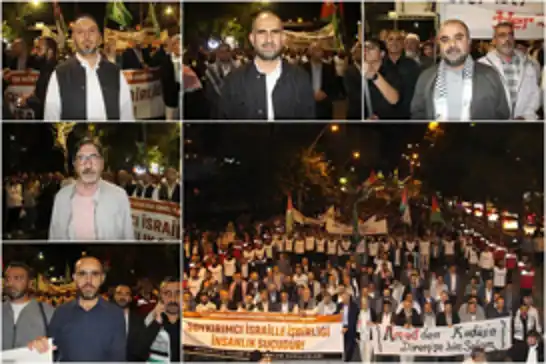
Representatives of Islamic NGOs, who took part in a march in Türkiye's southeastern province of Diyarbakir to mark the third anniversary of the Al-Aqsa Flood operation, called on Muslims not to allow Gaza to fade from the international agenda, stressing that the massacres have continued despite repeated ceasefire announcements.
Türkiye's Interior Minister Mustafa Çiftçi said seven people are believed to be trapped beneath the rubble after part of a seven-storey residential building collapsed in Istanbul's Maltepe district, as search and rescue operations continue.
A lawmaker from Türkiye on Thursday criticized international silence over what he described as an ongoing genocide in Gaza, calling for urgent action to hold dual Turkish-Israeli citizens accountable for participating in military operations against Palestinians.
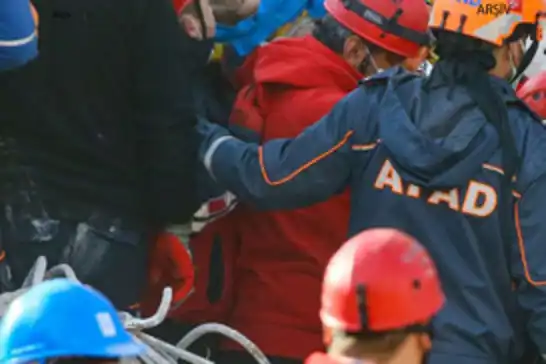
Emergency response teams pulled multiple survivors from the rubble after a portion of a seven-story residential building collapsed early Thursday morning in Istanbul’s Maltepe district, triggering a major search and rescue operation.