China urges Switzerland to oppose Taiwan independence
 13 oC

Güneşli

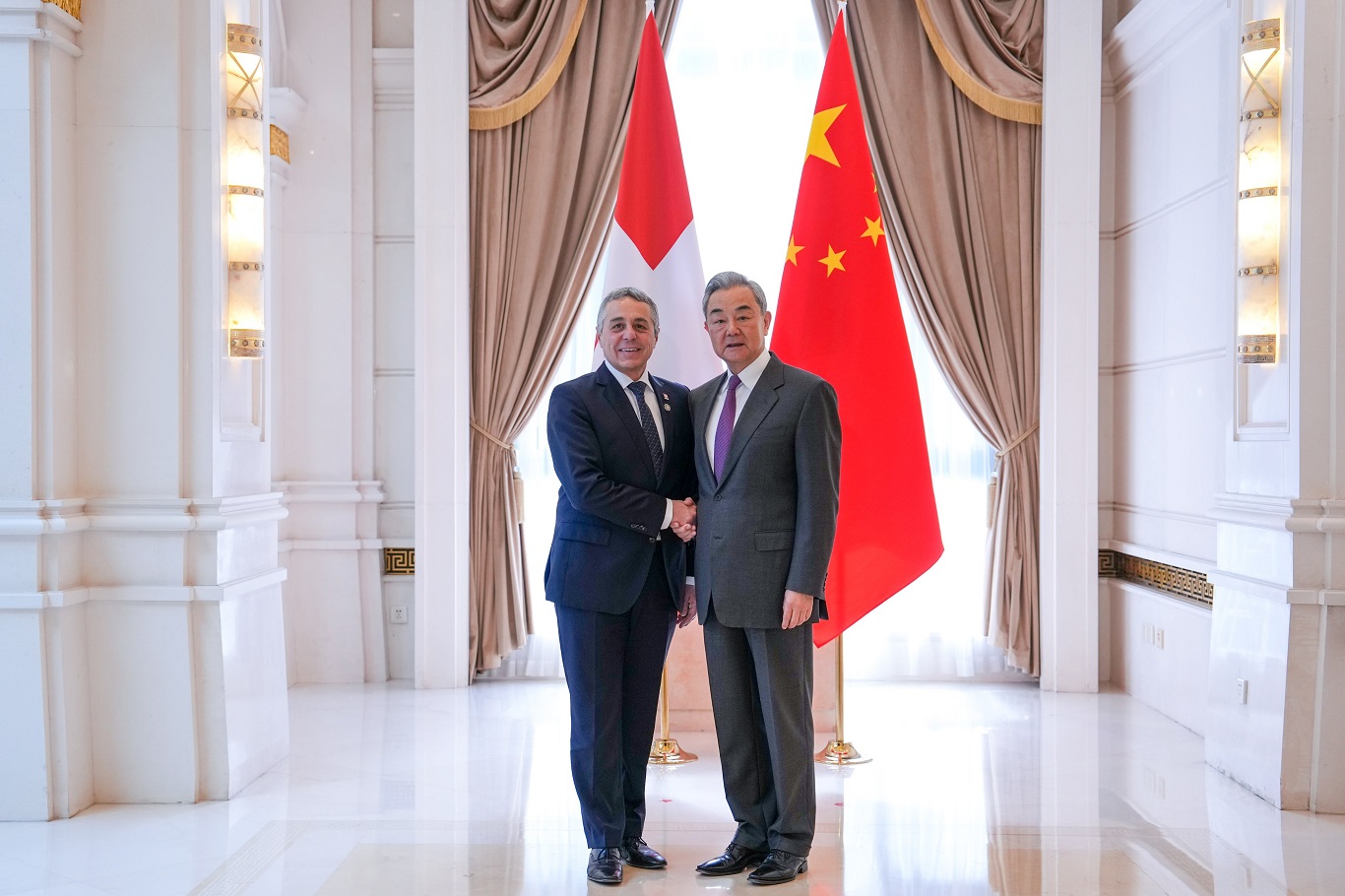
Chinese Foreign Minister Wang Yi has called on Switzerland to oppose "Taiwan independence" through concrete actions and play a constructive role in resolving economic and trade differences between China and the European Union.
Wang made the remarks during a meeting with his Swiss counterpart on Monday, according to a summary released by China's Foreign Ministry.
He said Beijing hoped Switzerland would take practical steps to uphold the one-China principle and contribute positively to maintaining stability across the Taiwan Strait.
Wang also urged Switzerland to use its position to help facilitate a smooth resolution of trade and economic disputes between China and the EU, stressing the importance of dialogue and cooperation in addressing differences.
In addition to political and economic issues, the two foreign ministers discussed opportunities to strengthen cooperation in artificial intelligence.
Wang said China was willing to expand dialogue and cooperation with Switzerland on AI-related issues at both bilateral and multilateral levels.
The meeting underscores Beijing's efforts to strengthen diplomatic ties with Switzerland while seeking international support on Taiwan-related issues and promoting dialogue with the European Union over trade tensions. (ILKHA)
LEGAL WARNING: All rights of the published news, photos and videos are reserved by İlke Haber Ajansı Basın Yayın San. Trade A.Ş. Under no circumstances can all or part of the news, photos and videos be used without a written contract or subscription.

Canadian Prime Minister Mark Carney joined comedians in poking fun at US President Donald Trump and Canadian political figures at an annual journalists' dinner in Ottawa, turning the event into a light-hearted political roast.

A court in the Netherlands has barred Chinese automaker BYD from selling its Ti7 SUV in the European Union, ruling that the vehicle infringes the design rights of British carmaker Jaguar Land Rover (JLR).
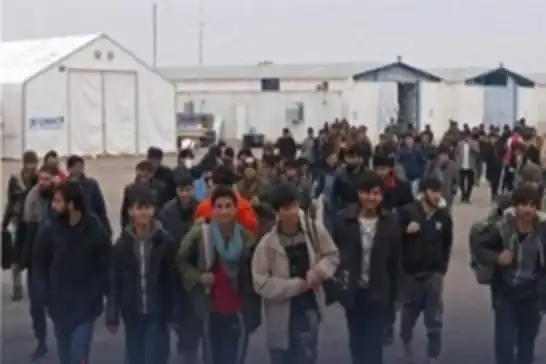
More than 6.5 million Afghans have returned to their homeland over the past three years, including nearly 3 million in 2025 alone, as large-scale movements from neighbouring countries continue to place enormous pressure on Afghanistan's fragile economy, housing market and public services, according to United Nations figures.