Ebola crisis deepens in DR Congo as virus outpaces containment efforts
 13 oC
13 oC 
Güneşli

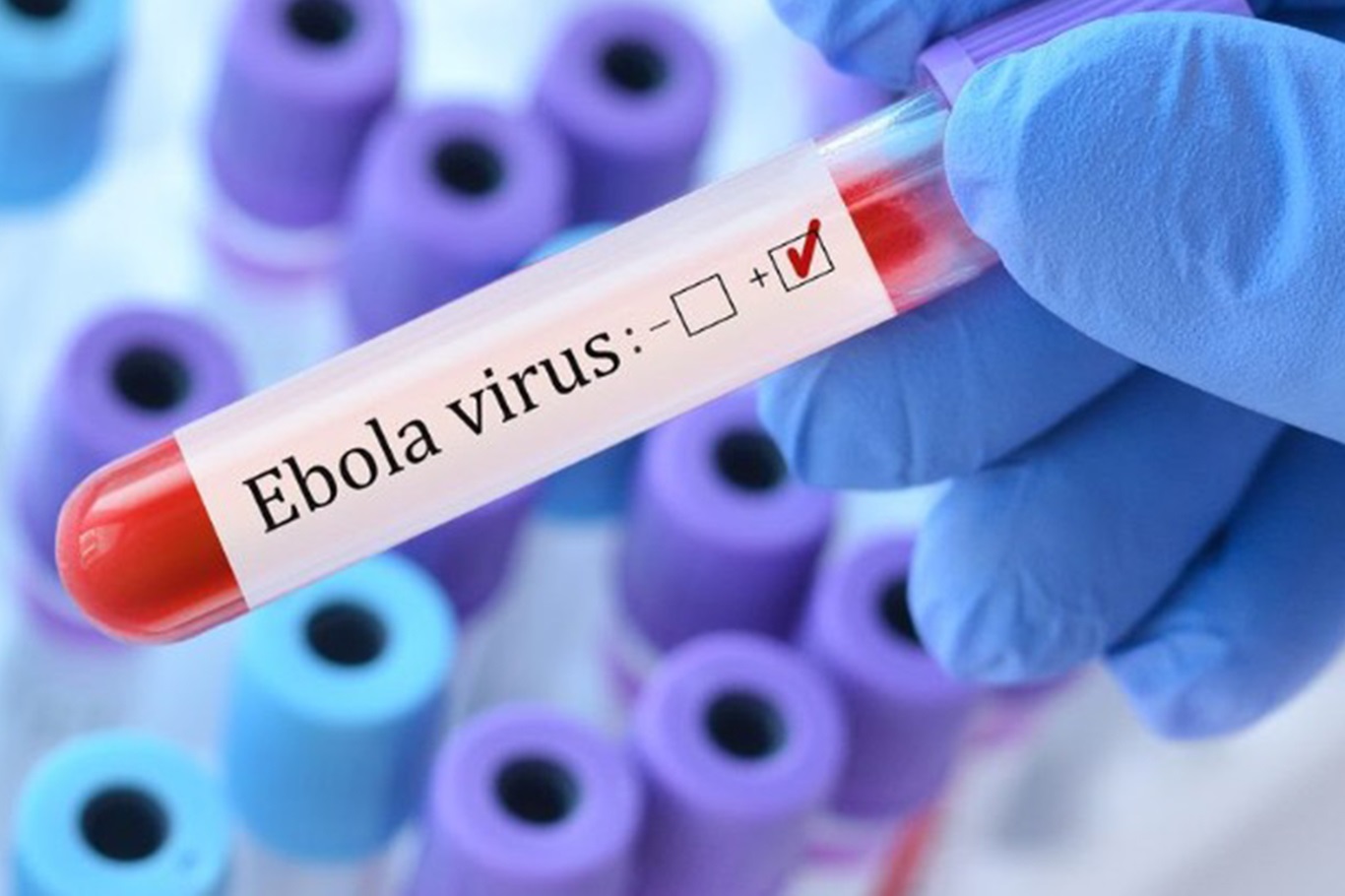
The Democratic Republic of the Congo's ongoing Ebola outbreak has entered a critical phase after 100 days, with transmission accelerating faster than response efforts and the virus spreading to a sixth province, according to the World Health Organization (WHO).
The outbreak, which began in 2026, has become the fastest-growing Ebola outbreak recorded in the country, with an average of around 90 confirmed cases reported each day during its first three months.
The WHO warned that the scale and speed of transmission require a major expansion of response operations, particularly in communities where infections and deaths remain highest.
“We can bring the Ebola outbreak under control but only through scaled-up action in affected communities,” WHO Director-General Dr. Tedros Adhanom Ghebreyesus said, calling for stronger national and local leadership as well as sustained international support.
The northeastern province of Ituri remains at the heart of the outbreak, accounting for approximately 85% of reported cases and 79% of deaths.
The outbreak has now expanded beyond the initial affected areas to a sixth province, raising concerns that continued transmission could make containment increasingly difficult.
The WHO said mortality remains particularly high both among people dying in communities and patients who reach treatment facilities.
Around 60% of the 260 weekly deaths recorded over the past six weeks occurred outside Ebola treatment centers, highlighting persistent difficulties in detecting infections early, referring patients to medical facilities and ensuring timely access to treatment.
Late admission to treatment centers also means that some patients arrive in advanced stages of the disease, reducing their chances of survival.
Health authorities face significant obstacles in reaching affected populations.
Recurrent conflict and insecurity, population displacement, attacks on health facilities, limited access to remote areas and reluctance among some communities to seek care have all complicated efforts to contain the virus.
The WHO said response operations must be intensified in areas experiencing high transmission and community deaths, as well as locations where new cases are emerging.
Stronger disease surveillance and coordination are also needed across provincial boundaries, along the Congo River and across national borders to prevent further spread.
Dr. Mohamed Janabi, WHO Regional Director for Africa, described the current situation as a defining moment for the response.
“The choices we make now will determine how quickly we can bring this outbreak under control, protect and save lives,” Janabi said.
Despite the rapid spread of the disease, authorities and international partners have significantly expanded their response capabilities during the first 100 days.
Laboratory capacity has grown from a single testing site to 19 laboratories, which can collectively process more than 3,000 samples per day.
Treatment capacity has also increased dramatically, rising from fewer than 10 beds at the beginning of the outbreak to more than 1,300 beds.
More than 900 health facilities have received support to strengthen infection prevention and control measures.
Community engagement has reached more than 2.5 million people, while contact tracing and follow-up have improved substantially. The proportion of contacts being followed increased from just 9% during the first week of the outbreak to 84% as of Aug. 18.
Scientific efforts are also being expanded as health authorities seek better tools to contain the outbreak.
Clinical trials of potential treatments are underway, while researchers are evaluating candidate vaccines.
Authorities have also deployed the first emergency-listed molecular diagnostic test for Bundibugyo virus disease, improving the ability to identify infections and distinguish them from other diseases with similar symptoms.
Meanwhile, neighboring countries are strengthening preparedness through cross-border surveillance, information sharing and joint planning to detect and contain imported cases.
The WHO said it has deployed more than 260 experts to support the national response and delivered over 330 tonnes of essential medical and operational supplies.
National authorities, supported by WHO and other partners, are expanding disease surveillance, contact tracing, laboratory testing and clinical care while strengthening infection prevention measures.
Health teams are also working with communities to encourage early reporting of suspected cases, timely care-seeking and safe and dignified burials.
The WHO warned that containing the outbreak will require sustained national leadership, stronger community engagement, secure humanitarian access and continued international support.
A reduction in conflict is also considered essential to allow frontline health workers to reach communities affected by the outbreak.
The agency stressed that the progress achieved during the first 100 days demonstrates that intensified intervention can produce results, but warned that incremental improvements will not be sufficient to reverse the current trajectory.
With Ebola continuing to spread and mortality remaining high, the coming months are expected to be decisive for efforts to contain the outbreak, close operational gaps and prevent the virus from establishing itself in additional areas of the Democratic Republic of the Congo. (ILKHA)
LEGAL WARNING: All rights of the published news, photos and videos are reserved by İlke Haber Ajansı Basın Yayın San. Trade A.Ş. Under no circumstances can all or part of the news, photos and videos be used without a written contract or subscription.
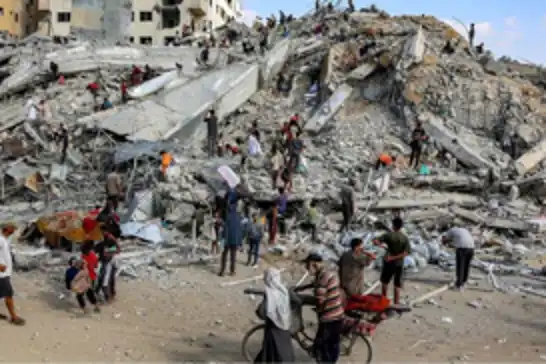
Twenty Palestinians, including six children, have been killed after the Al-Saada residential building collapsed on residents and displaced families sheltering inside in western Gaza City, highlighting the increasingly perilous conditions faced by Palestinians living amid widespread destruction.

The United States has imposed visa restrictions on South Africans it accuses of promoting racial discrimination, inciting violence and supporting land expropriation without compensation, escalating an already strained relationship with Pretoria.
German Chancellor Friedrich Merz has canceled his planned trip to New York for next week’s United Nations General Assembly, saying his presence is required in Berlin as his government faces mounting political pressure ahead of two crucial state elections.
Ukrainian forces struck a Russian Su-24 bomber at the Saky air base in occupied Crimea, along with a number of other Russian military targets, during strikes conducted between September 15 and 16, Ukraine’s General Staff said on Wednesday.