Egypt reports first cases of EG.5.2 "Eris" variant of COVID-19 as global prevalence rises

 13 oC
13 oC 
Güneşli

Egypt's Ministry of Health announced a significant development in the ongoing battle against COVID-19, as the country confirmed its initial instances of the highly contagious EG.5.2 variant, informally referred to as "Eris."
The ministry reported that the two confirmed cases are currently experiencing mild symptoms and displaying signs of recovery.
In an official statement released on Tuesday, the ministry revealed that its comprehensive monitoring efforts had led to the identification of these cases. The patients tested positive for a sublineage of the Omicron variant of COVID-19, as confirmed by multiple testing centers specializing in influenza-like illnesses, acute respiratory diseases, and pneumonia.
The ministry's preventative medicine department has initiated a rigorous national monitoring program, which includes continuous surveillance across 450 hospitals throughout the country. This surveillance extends to cases displaying influenza-like symptoms, with frequent reporting to the health authorities. Throat and nasal swabs are collected from these cases to undergo comprehensive testing for a range of viral agents, including influenza, COVID-19, and Respiratory Syncytial Virus (RSV).
In addition to hospital surveillance, the ministry is also closely monitoring influenza-like cases across 12 outpatient clinics and 17 inpatient departments. The swift detection of disease-causing agents and any alterations in infection factors remains a top priority for the health authorities.
The EG.5 (Eris) variant has swiftly evolved from the XBB sublineage to become a dominant strain of COVID-19 globally. The World Health Organisation (WHO) has classified EG.5 as a "variant of interest," driven by an escalation in its prevalence across multiple countries. According to the WHO, the global prevalence of EG.5 has surged to 17.4 percent of total COVID-19 cases, up from 7.6 percent at the end of June.
Despite successful vaccination campaigns leading to a decline in virus transmission, recent data from the WHO highlights ongoing challenges. Within a 28-day period concluding on August 3, over 1 million new COVID-19 cases were reported worldwide. Furthermore, the virus claimed the lives of more than 3,100 individuals during that timeframe, pushing the overall pandemic death toll to 6.9 million since its initial outbreak in February 2020.
As the EG.5.2 variant continues to spread, health authorities worldwide remain vigilant in their efforts to mitigate its impact and ensure the safety and wellbeing of their populations. The global community closely observes these developments and their implications for public health. (ILKHA)
LEGAL WARNING: All rights of the published news, photos and videos are reserved by İlke Haber Ajansı Basın Yayın San. Trade A.Ş. Under no circumstances can all or part of the news, photos and videos be used without a written contract or subscription.
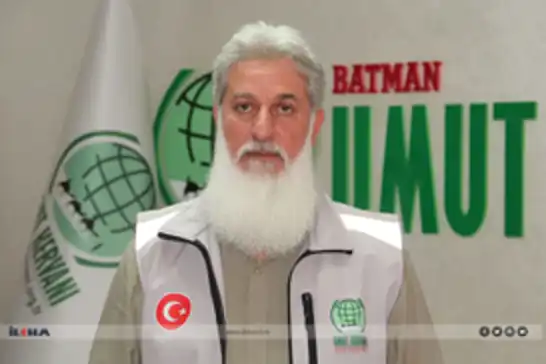
Humanitarian aid is no longer only about delivering food or medical assistance but also about safeguarding people's right to live with dignity, Nurettin Teymur, chairman of the Batman branch of Hope Caravan (Umut Kervanı), said on World Humanitarian Day.
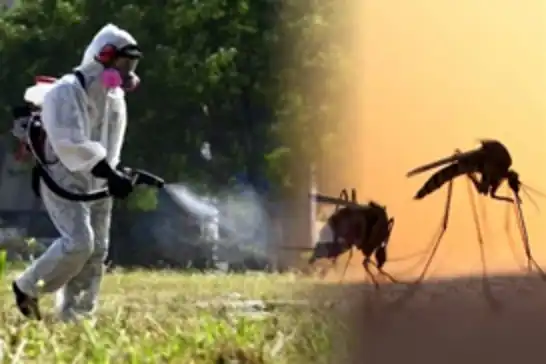
Greek health authorities have stepped up surveillance over the spread of West Nile virus, warning that the country could face one of the most challenging transmission periods of recent years as mosquito activity intensifies during the summer.
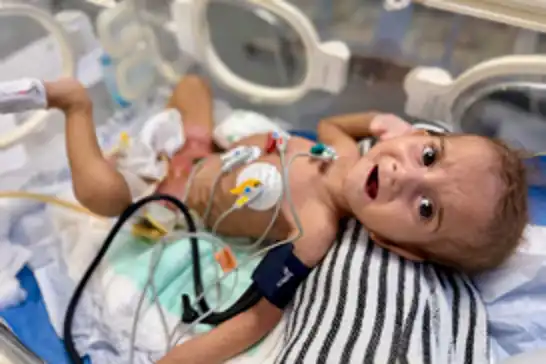
Thousands of people in Gaza face an increasing risk of death and severe illness as restrictions on the entry of engine oil and spare parts continue to undermine hospitals, ambulances, water systems and other essential services, Médecins Sans Frontières (MSF) has warned.
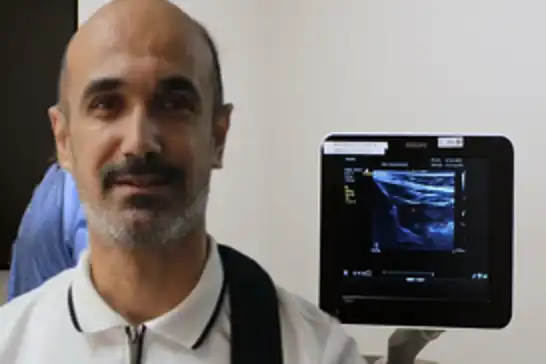
A rare inherited heart condition known as Bundgaard syndrome has been diagnosed for the first time in Türkiye, becoming the 68th reported case worldwide, according to medical experts.