EU agrees 21st sanctions package against Russia after Greece drops veto
 13 oC
13 oC 
Güneşli

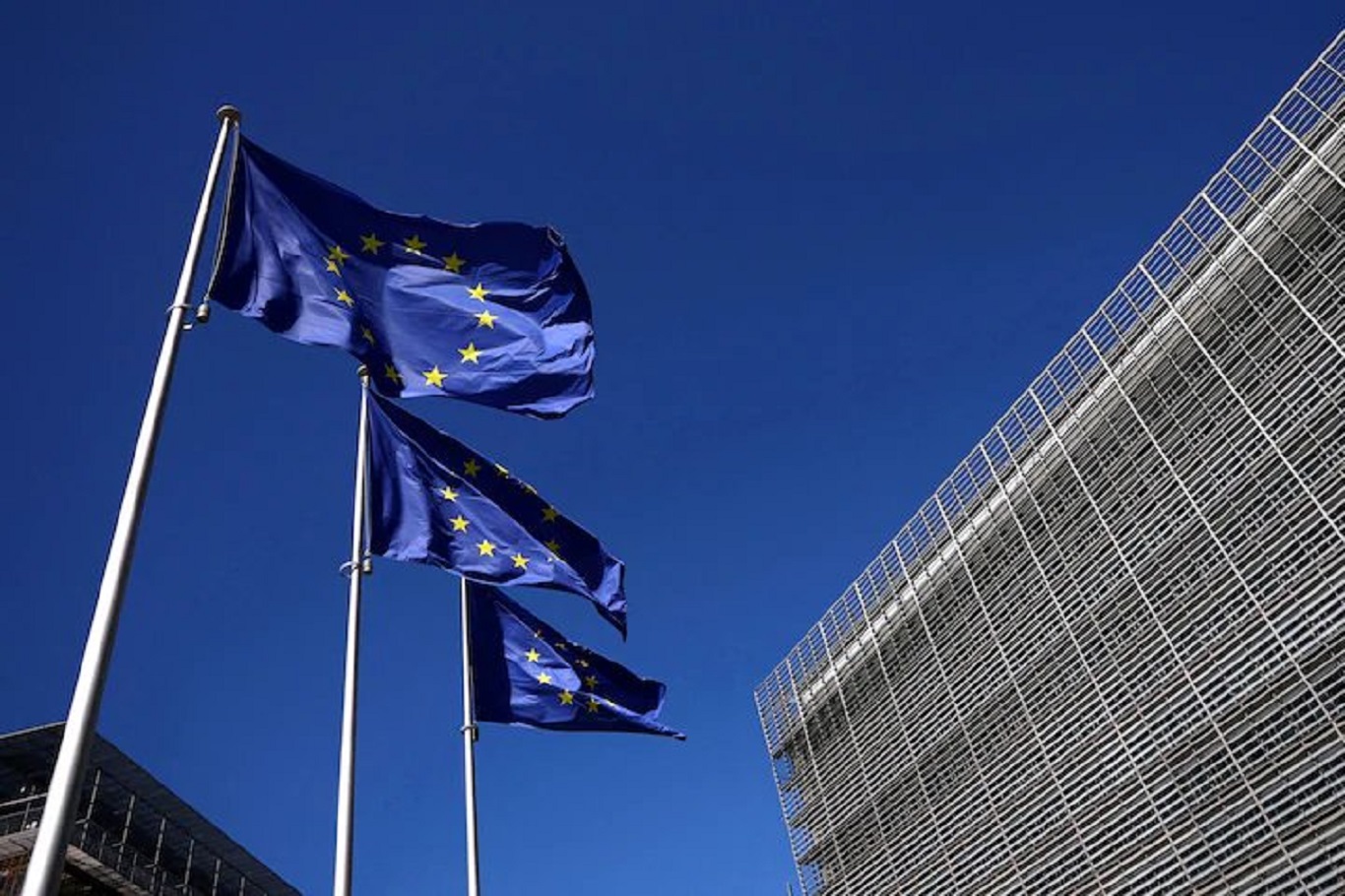
European Union member states have agreed on a 21st package of sanctions against Russia after weeks of difficult negotiations that saw Greece threaten to block the measures unless its concerns over Russian liquefied natural gas (LNG) shipping were addressed.
EU ambassadors reached the agreement on Thursday, ending a prolonged deadlock that exposed divisions within the bloc over balancing economic interests with efforts to increase pressure on Moscow over the conflict in Ukraine.
The new sanctions package expands restrictions on Russia's financial, energy and defense sectors while extending measures targeting individuals and entities accused of supporting Russia's military campaign.
One of the key elements of the package is the decision to freeze the G7-led price cap on Russian crude oil at $44 per barrel for the next 12 months.
The cap had been expected to rise automatically to $58 per barrel under a previously agreed adjustment mechanism tied to global oil prices. EU officials argued that increasing the cap would ease pressure on Russia's energy revenues at a time when the bloc is seeking to maintain economic sanctions.
European Commission President Ursula von der Leyen said the decision would prevent Russia from benefiting from volatility in global energy markets.
"Freezing the oil price cap adjustment for a year, so that the Russian war machine does not benefit from market shocks," von der Leyen said.
The latest sanctions also add more vessels to the EU's blacklist of Russia's so-called "shadow fleet"—ships used to transport Russian oil outside the price cap mechanism.
More than 600 vessels have now been denied access to EU ports and maritime services under the bloc's sanctions regime.
The package further targets Russian banks, cryptocurrency and oil-trading platforms, exports of strategic metals, and more than 250 individuals and companies accused of supporting Russia's military operations or helping circumvent existing sanctions.
The most contentious issue during negotiations centered on Greece, whose veto delayed approval of the package.
Athens sought changes to previously adopted restrictions affecting the transport of Russian LNG, arguing that the measures would disproportionately harm Greece's shipping industry.
Following negotiations, member states agreed to grant an exemption allowing Greek shipping companies to continue transporting Russian LNG to customers outside the European Union under contracts signed before February 2022.
The exemption is subject to annual review.
Greece, home to one of the world's largest merchant fleets, had argued that banning such shipments would weaken Europe's maritime sector while providing little impact on Russian revenues.
The request was supported by Greek shipping company Dynagas, which operates vessels serving Russia's Yamal LNG project.
The final sanctions package also reflects several concessions made during negotiations.
A proposal to restrict imports of certain Russian fish products, including cod and pollock, was removed after objections from Portugal and Germany.
Meanwhile, Bulgaria succeeded in having two names removed from the sanctions list: Patriarch Kirill, head of the Russian Orthodox Church, and Vagit Alekperov, the founder of Russian oil company Lukoil.
An earlier proposal to ban Russian soldiers from entering the Schengen Area was also softened. Instead of introducing an immediate prohibition, member states agreed only to continue discussions on how such a measure could be implemented, following legal and administrative concerns raised by France and Italy.
Austria also secured political backing for future discussions on lifting sanctions against Rasperia, a Russian investment company.
Vienna has argued that easing restrictions on the company could help offset losses suffered by Raiffeisen Bank International, which continues to have significant exposure in Russia.
Although no immediate changes were approved, EU ambassadors agreed to revisit Austria's request at a later stage.
The adoption of the latest sanctions package underscores the EU's continued effort to maintain economic pressure on Russia while highlighting the increasingly complex negotiations required to preserve unity among the bloc's 27 member states as the conflict in Ukraine continues. (ILKHA)
LEGAL WARNING: All rights of the published news, photos and videos are reserved by İlke Haber Ajansı Basın Yayın San. Trade A.Ş. Under no circumstances can all or part of the news, photos and videos be used without a written contract or subscription.
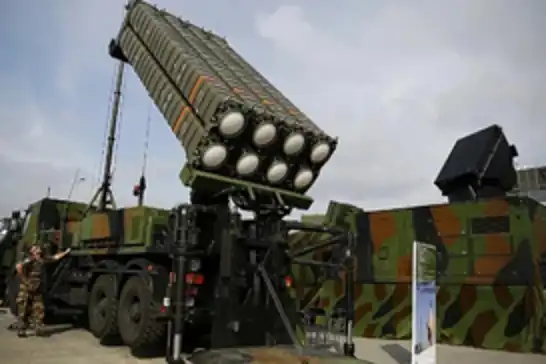
France is set to strengthen Ukraine’s air-defense capabilities by supplying new radar systems and interceptor missiles, French President Emmanuel Macron said Tuesday after meeting Ukrainian President Volodymyr Zelenskyy on the sidelines of the United Nations General Assembly.
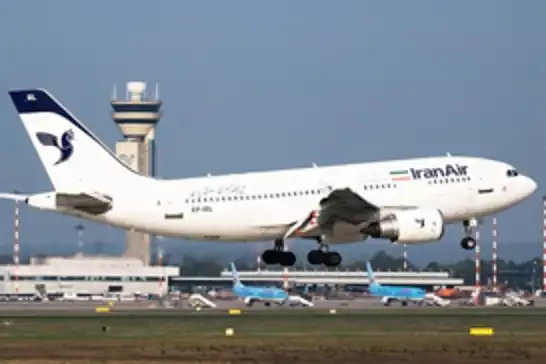
Iran Air has announced that its international flights continue to operate despite Washington's threat to impose new sanctions targeting companies that provide services to Iranian airlines, stressing that it has not received any official order to suspend operations.
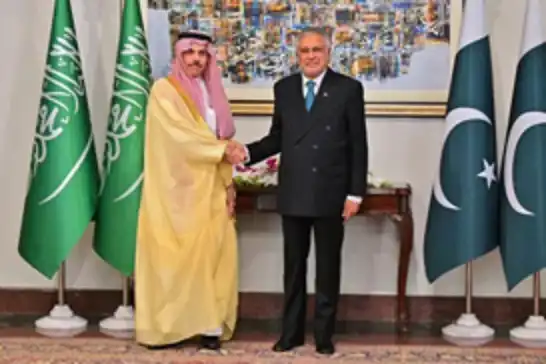
Saudi Arabia and Pakistan have signed a mutual visa exemption agreement covering holders of diplomatic and special passports, on the sidelines of the 81st session of the United Nations General Assembly in New York.
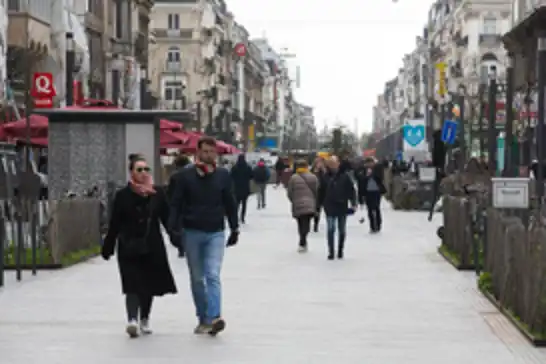
The Brussels City Council has approved a four-year extension of the ban on consuming alcohol in public areas across parts of the city centre, saying the measure remains necessary to tackle alcohol-related disorder and improve public safety.