Finland holds Europe’s largest civil defense exercise since World War II
 13 oC
13 oC 
Güneşli

Finland has conducted Europe’s largest civil defense exercise since the end of World War II, as the Nordic country intensifies preparations for potential military attacks, cyber disruptions and other security threats amid heightened tensions with Russia.
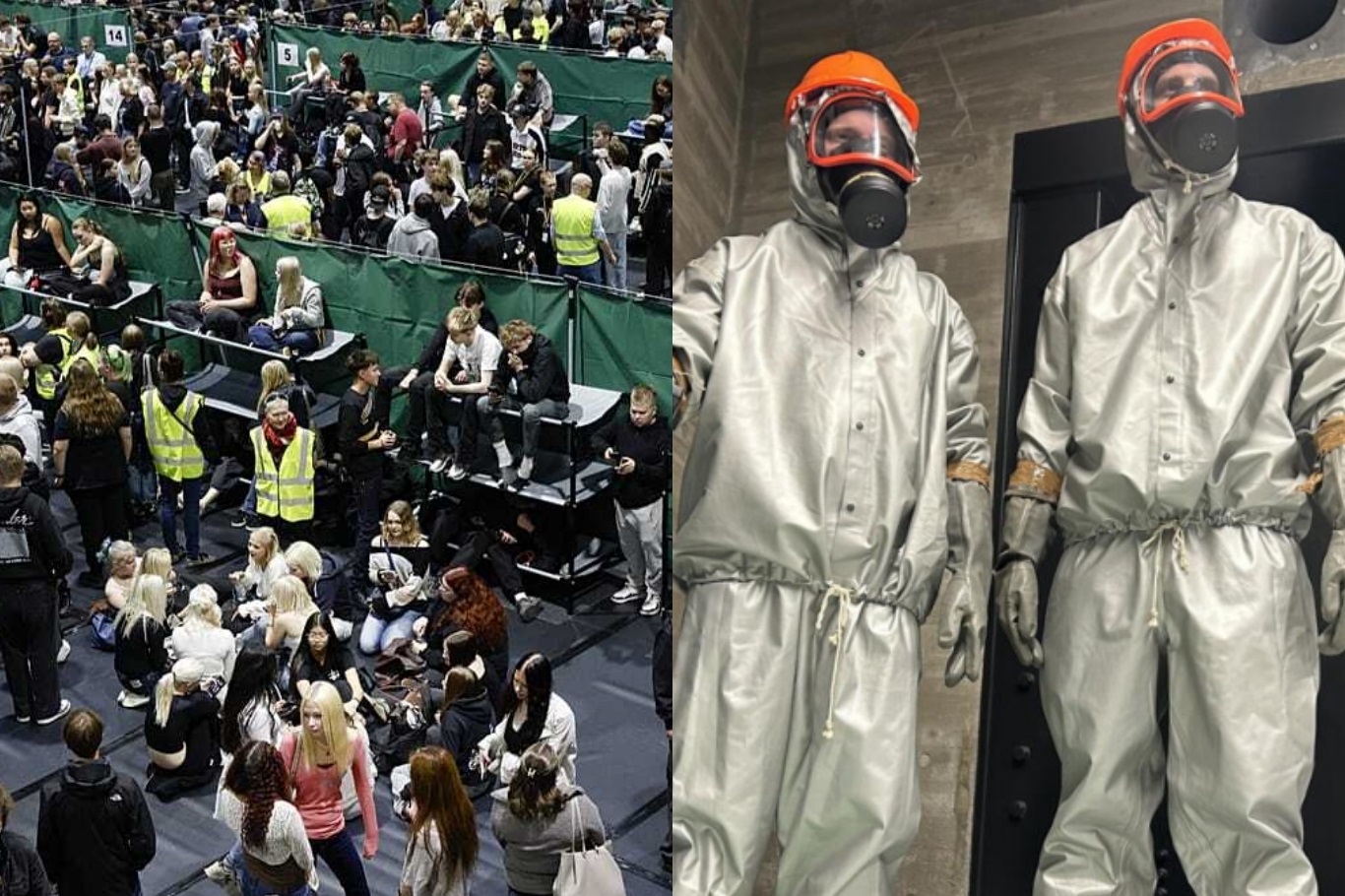
More than 2,000 people, including military conscripts, emergency personnel, volunteers and students, are taking part in the large-scale “Shelter 2026” exercise in the central Finnish city of Kuopio on September 2–3.
At the center of the exercise is Luola (“the Cave”), a large underground facility carved into bedrock in Kuopio’s Savilahti district. The normally functioning sports and events complex is being transformed into an emergency civil defense shelter capable of protecting thousands of people.
During the drill, Finnish conscripts wearing protective hazmat suits and breathing masks have been measuring radiation levels and practicing procedures for dealing with nuclear, biological and chemical hazards. Inside the facility, hundreds of participants have also spent the night on temporary beds to simulate conditions following a major emergency.
The exercise is designed to test how authorities and civilians would respond if critical infrastructure were disrupted by cyberattacks while the country faced the threat of missile strikes. Participants are practicing shelter management, emergency communications, radiation monitoring and the organization of civilian life underground.
Finland’s extensive shelter network
Finland has maintained an unusually extensive civil defense system because of its long history of conflict with Russia and the Soviet Union. According to Finland’s Interior Ministry, the country has approximately 50,500 civil defense shelters with capacity for about 4.8 million people, covering the vast majority of the population. About 85% of the shelters are privately maintained.
Many of these facilities have a dual purpose during peacetime, operating as parking areas, sports facilities, storage spaces or other public and private premises. Under Finnish regulations, shelters must be capable of being prepared for emergency use within 72 hours.
Finland has also continued updating its civil defense system. In January 2026, the Interior Ministry issued new guidance covering the planning, maintenance and use of civil defense shelters. Officials stressed, however, that Finland was not at that time facing an immediate military threat.
Lessons from Ukraine
The exercise also reflects lessons Finland has drawn from Russia’s war in Ukraine. Finnish preparedness officials say underground protection is important, but shelters must also be accessible quickly because civilians may have only minutes to seek protection during missile or drone attacks.
The Ukrainian experience has demonstrated that protection is not limited to purpose-built nuclear bunkers. Underground parking facilities, subway stations and other reinforced structures can provide crucial protection when dedicated shelters are too far away.
Finland’s approach is therefore based not only on military defense but also on civilian resilience, with authorities encouraging households to be capable of coping independently for at least 72 hours during a crisis.
NATO membership raises the stakes
The exercise comes amid heightened security concerns across northern Europe. Finland shares a roughly 1,340-kilometer border with Russia and joined NATO in 2023, fundamentally changing its security position after decades of military non-alignment.
In recent years, European governments have increasingly focused on threats that fall below the threshold of conventional war, including cyberattacks, sabotage, infrastructure disruption and drone incursions. Finland's exercise incorporates several of these scenarios, reflecting the country's broader “total defense” approach in which military and civilian preparedness are closely integrated.
Sweden has also recently announced the deployment of fighter aircraft, a naval vessel and additional counter-drone capabilities to Finland through the end of 2026, citing the deteriorating regional security environment.
Finnish President Alexander Stubb has meanwhile said that he does not believe Russia is likely to attack a NATO member, arguing that such an attack would confront Russia with the combined military power of the alliance. Nevertheless, Finland continues to strengthen its preparedness and deterrence capabilities.
The Shelter 2026 exercise illustrates a central feature of Finland’s security strategy: preparing civilians for the possibility of a major crisis while seeking to ensure that society can continue functioning even under severe military, cyber or infrastructure-related pressure. (ILKHA)
LEGAL WARNING: All rights of the published news, photos and videos are reserved by İlke Haber Ajansı Basın Yayın San. Trade A.Ş. Under no circumstances can all or part of the news, photos and videos be used without a written contract or subscription.
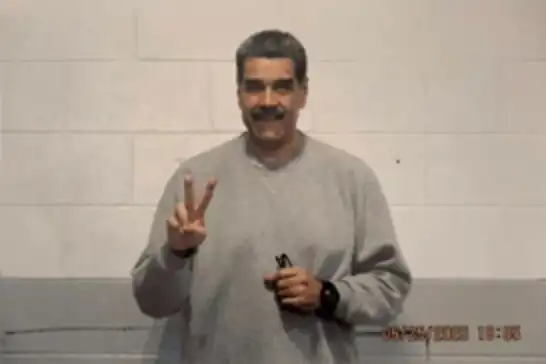
Ousted Venezuelan President Nicolás Maduro has asked a US federal judge to dismiss the criminal charges against him, arguing that Washington has no legitimate jurisdiction to prosecute the leader of a sovereign nation.

Direct flights between Kandahar International Airport and Dubai International Airport are set to resume on Friday, providing a renewed air connection between southern Afghanistan and one of the region’s major commercial and transit hubs.
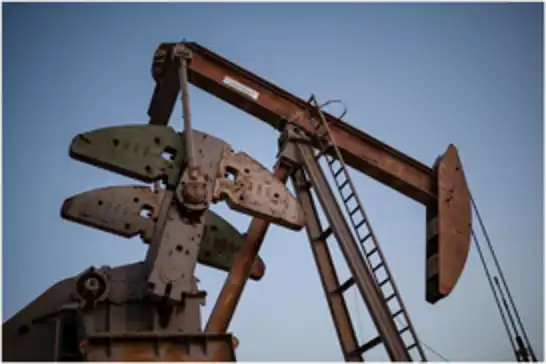
Crude oil inventories in the U.S. Strategic Petroleum Reserve (SPR) fell by 4.5 million barrels during the final week of August, bringing total holdings to 424.5 million barrels, according to data released by the U.S. Department of Energy.