Maduro challenges US prosecution, invokes sovereign immunity after controversial capture
 13 oC
13 oC 
Güneşli

Ousted Venezuelan President Nicolás Maduro has asked a US federal judge to dismiss the criminal charges against him, arguing that Washington has no legitimate jurisdiction to prosecute the leader of a sovereign nation.
In a motion filed Wednesday in Manhattan federal court, Maduro's legal team argued that he is protected by head-of-state immunity and that the prosecution violates fundamental principles of international law. His lawyers maintain that the alleged conduct cited in the indictment was connected to Maduro's official responsibilities as Venezuela's head of state.
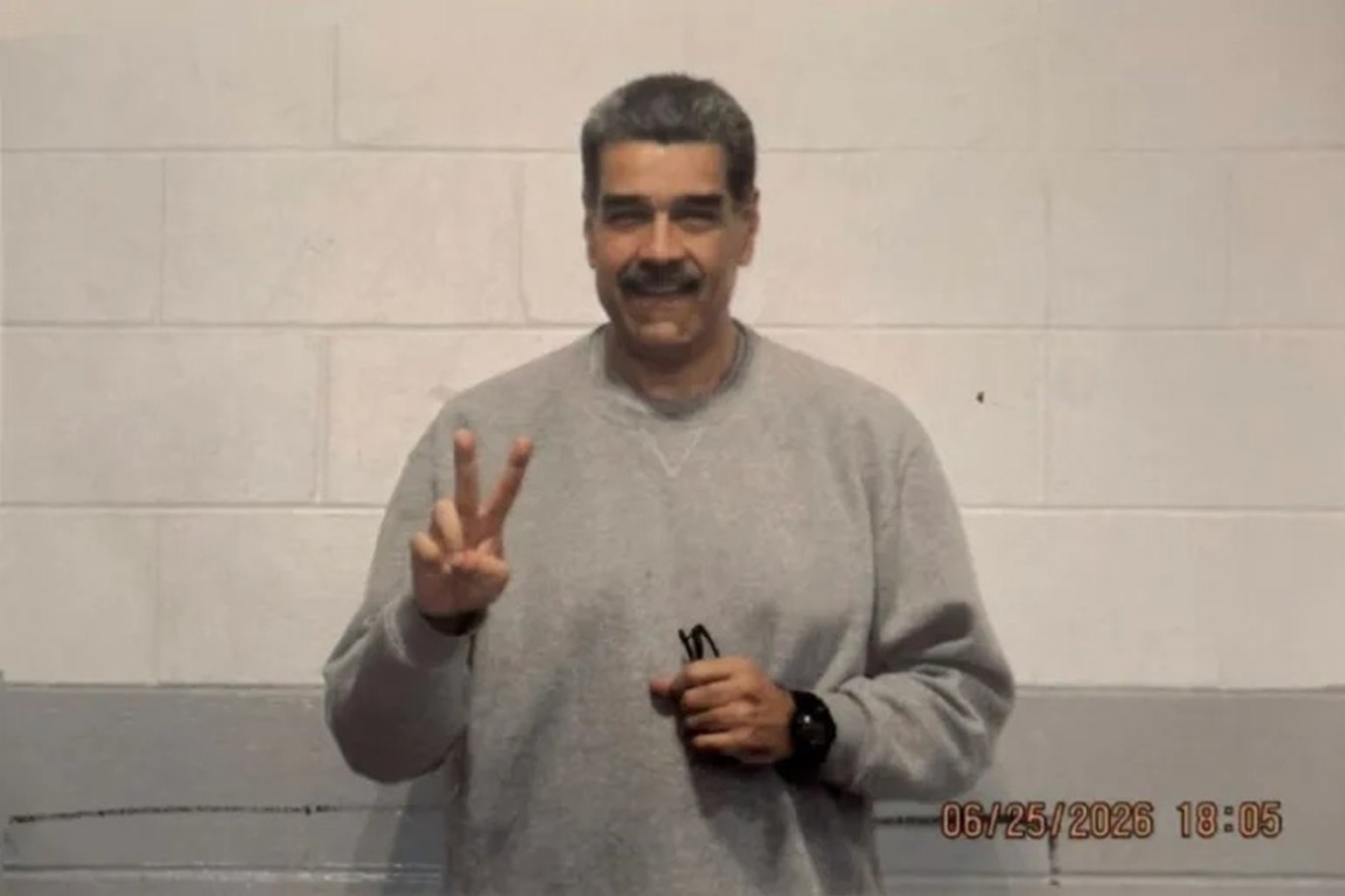
The legal challenge comes months after US forces carried out a controversial military operation in Caracas on January 3, 2026, during which Maduro and his wife, Cilia Flores, were seized and taken to the United States. Both have remained in federal custody in Brooklyn and have pleaded not guilty to the charges.
For the Venezuelan side, the case raises questions extending far beyond the accusations themselves, particularly over Venezuela's sovereignty, the legality of the US military operation and Washington's authority to remove a foreign head of state from his own country by force.
Maduro's lawyers challenge US jurisdiction
Maduro's attorney, Barry Pollack, argued that international law provides foreign heads of state with immunity from criminal prosecution in another country's courts.
The defense maintains that Venezuela continues to regard Maduro as its head of state and that the US government's refusal to recognize him does not, by itself, erase the protections afforded to foreign leaders under international law.
The United States, however, has not recognized Maduro as Venezuela's legitimate president since 2019. That political position is expected to become a central issue in the court's consideration of the immunity claim. Legal experts say US courts have traditionally given substantial weight to the executive branch's position on recognition of foreign governments and leaders.
Maduro's legal team has nevertheless challenged what it portrays as a fundamental contradiction: Washington rejected Maduro's legitimacy while simultaneously using military force to seize him and bring him before a US court.
Controversy surrounding the Caracas operation
The charges against Maduro were used as the legal basis for the US operation that resulted in his capture in Caracas.
The seizure of a foreign political leader by US military forces has generated intense debate over state sovereignty and international law. Critics argue that Washington's unilateral action represents an extraordinary assertion of power over another sovereign state.
International-law scholars have noted that the use of force to enter another country's territory and capture its leader raises serious legal questions, particularly in the absence of the territorial state's consent or authorization from the UN Security Council.
Maduro has rejected the US accusations and has characterized his detention as an unlawful kidnapping rather than a legitimate criminal arrest.
Drug trafficking accusations rejected
US prosecutors accuse Maduro and other Venezuelan officials of involvement in drug trafficking and narco-terrorism. The charges originate from a case initially brought years before his capture.
Maduro and Flores have denied the allegations and pleaded not guilty. Their defense argues that the US prosecution cannot legitimately proceed against a foreign leader protected by sovereign immunity.
The defense's position has received attention from international-law specialists who have questioned whether a foreign head of state can simply be stripped of immunity through a unilateral recognition decision by another government.
Court sets November hearing
US District Judge Alvin Hellerstein has scheduled oral arguments on the motions to dismiss for November 17, 2026. US prosecutors are expected to respond to Maduro's filing by October 2.
If the judge rejects the dismissal request, Maduro's trial is currently scheduled to begin on June 1, 2027.
The case is therefore shaping up to be much more than an ordinary criminal prosecution. At its core is a confrontation over whether the United States can prosecute a foreign leader whom his own country regards as its head of state after using military force to remove him from Venezuelan territory.
For Caracas and Maduro's supporters, the proceedings represent another chapter in what they describe as Washington's long-running campaign to undermine Venezuela's political independence and control its strategic resources.
The court's eventual decision could have implications extending beyond Maduro himself, potentially influencing future disputes over sovereign immunity, foreign intervention and the limits of US jurisdiction over foreign political leaders. (ILKHA)
LEGAL WARNING: All rights of the published news, photos and videos are reserved by İlke Haber Ajansı Basın Yayın San. Trade A.Ş. Under no circumstances can all or part of the news, photos and videos be used without a written contract or subscription.
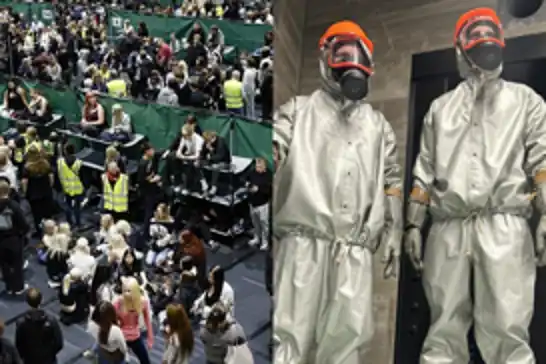
Finland has conducted Europe’s largest civil defense exercise since the end of World War II, as the Nordic country intensifies preparations for potential military attacks, cyber disruptions and other security threats amid heightened tensions with Russia.
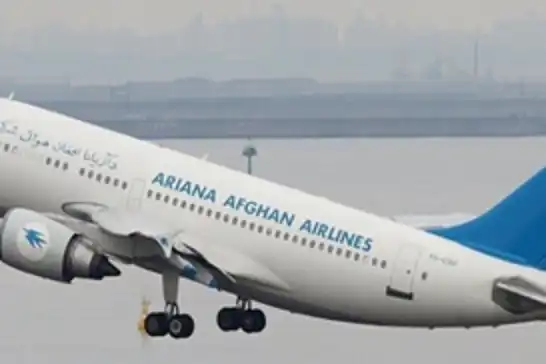
Direct flights between Kandahar International Airport and Dubai International Airport are set to resume on Friday, providing a renewed air connection between southern Afghanistan and one of the region’s major commercial and transit hubs.

Crude oil inventories in the U.S. Strategic Petroleum Reserve (SPR) fell by 4.5 million barrels during the final week of August, bringing total holdings to 424.5 million barrels, according to data released by the U.S. Department of Energy.