Gaza children face long-term malnutrition damage despite decline in acute hunger
 13 oC
13 oC 
Güneşli

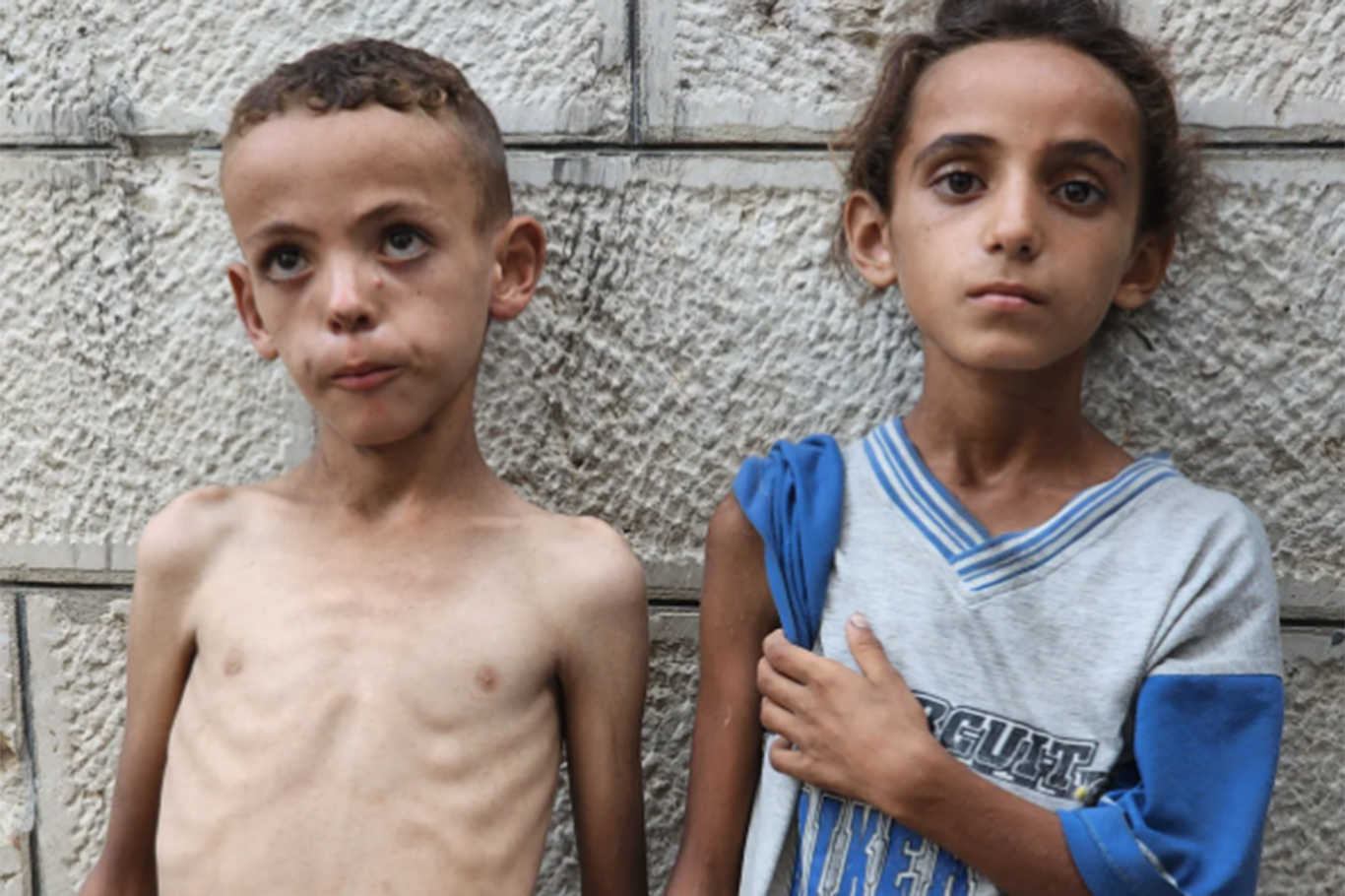
Children in Gaza are showing signs of improved access to food following the October 2025 ceasefire, but a new UNICEF survey warns that the effects of more than two years of war and severe hunger could leave lasting damage to their growth and development.
According to the survey released Monday, around 1 percent of children in accessible areas of Gaza were experiencing acute malnutrition between May 31 and June 15, 2026. The improvement marks a sharp decline from the peak of the hunger crisis, when famine was declared in parts of the Gaza Strip in August 2025.
However, UNICEF found that 12.2 percent of children — roughly one in eight — were chronically malnourished, or stunted. Stunting can impair brain development, learning capacity and long-term health, with some consequences potentially lasting throughout a child's life.
“Acute malnutrition can improve within weeks,” said Edouard Beigbeder, UNICEF's regional director for the Middle East and North Africa. “The wider damage does not.”
Acute malnutrition declines
The survey comes after Gaza endured a prolonged humanitarian crisis during Israel's war on the besieged territory. Humanitarian access was severely restricted during the conflict, while widespread destruction damaged agricultural infrastructure and food production.
In August 2025, the UN-backed Integrated Food Security Phase Classification (IPC) confirmed famine conditions in Gaza. That month, approximately 17,000 children were admitted for treatment for acute malnutrition in hospitals across the territory.
Following the October 2025 ceasefire, increased humanitarian assistance helped improve food security and reduce the number of children requiring treatment. By March 2026, the figure had fallen to around 3,000 children.
Despite the improvement, UNICEF warned that the humanitarian situation remains extremely fragile and that any interruption to aid could rapidly reverse recent gains.
Chronic malnutrition remains a major concern
UNICEF's findings indicate that reducing immediate hunger has not erased the deeper nutritional crisis facing Gaza's children.
Nearly one in 10 women of reproductive age were found to be malnourished, increasing the risk of low birth weight and creating a cycle in which maternal malnutrition can affect the next generation.
The survey also found that breastfeeding rates remained relatively high, but only 20 to 30 percent of toddlers were consuming sufficiently diverse diets according to different dietary measures.
“Behind these numbers are children who are not getting the diverse, nutritious food they need to grow and stay healthy,” UN spokesperson Stéphane Dujarric said.
Healthcare and vaccination gaps add to risks
Nutrition is only one part of the crisis. UNICEF reported that children suffering from illnesses such as diarrhoea often face difficulties accessing medical treatment. Vaccination coverage also remains below levels needed to provide adequate community protection against preventable diseases.
The survey assessed nearly 1,335 children and interviewed more than 2,000 households, covering the population living in areas of Gaza that were accessible to survey teams.
UNICEF stressed that children require more than sufficient calories to survive, emphasizing the need for clean water, healthcare and nutritious and diverse food.
UN calls for sustained humanitarian access
The UN has called for sustained and unrestricted humanitarian access to Gaza, including the continued delivery of fuel and funding for nutrition, healthcare, water and sanitation services.
Dujarric also called for commercial markets to remain open so that families can obtain essential food and other necessities.
UNICEF warned that the underlying causes of chronic malnutrition remain unresolved, including poor dietary diversity, maternal malnutrition, recurring childhood illnesses, incomplete vaccination and insufficient access to deworming services.
The agency's report recommends maintaining malnutrition treatment programs in the immediate term, shifting toward prevention in the medium term and rebuilding Gaza's primary healthcare and food systems over the longer term.
While the decline in acute malnutrition represents an important improvement, UNICEF cautioned that Gaza's children remain highly vulnerable. Sustained humanitarian access, adequate nutrition and the restoration of essential health services will be critical to preventing a renewed deterioration in child health. (ILKHA)
LEGAL WARNING: All rights of the published news, photos and videos are reserved by İlke Haber Ajansı Basın Yayın San. Trade A.Ş. Under no circumstances can all or part of the news, photos and videos be used without a written contract or subscription.
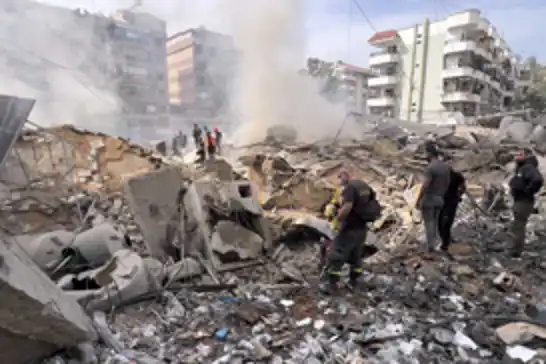
The United Nations Interim Force in Lebanon (UNIFIL) has warned of extensive destruction across southern Lebanon, saying entire civilian neighborhoods have been wiped out and that some of the devastation appears to be “systematic rather than selective.”

The Islamic-Christian Authority for Patronizing Jerusalem and Holy Sites has warned of what it described as an unprecedented escalation in Jewish settler incursions and violations at the Al-Aqsa Mosque compound in occupied Jerusalem.

The administration of US President Donald Trump is preparing a plan that could revoke the visas of up to 200,000 foreign nationals who entered the United States on business or tourist visas between 2016 and 2026 and later applied for asylum, according to US media reports and government documents.