Hungary restart Paks nuclear reactor as Danube water levels recover
 13 oC
13 oC 
Güneşli

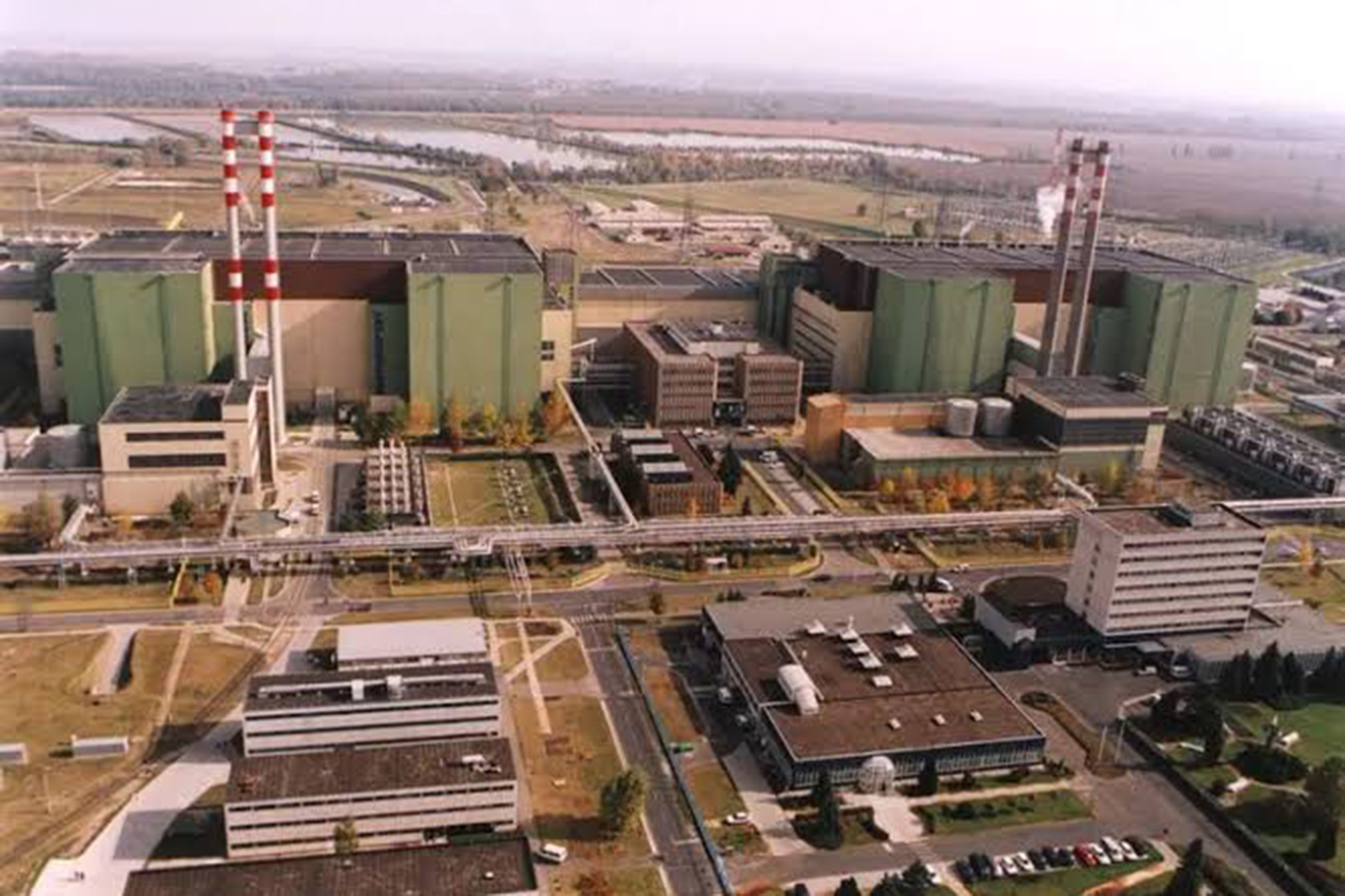
Hungary’s Paks Nuclear Power Plant has begun the process of restarting a third turbine as emergency measures and improving Danube water levels pave the way for the country’s largest nuclear facility to return to full capacity.
The restart of the sixth turbine in Unit 3 began Friday evening and entered its final and most critical phase on Saturday night, according to Prime Minister Péter Magyar, who spoke during a live broadcast from the plant.
Two turbines are currently operating at Paks. Once the third turbine is connected to the electricity grid, the plant’s output will gradually increase, with full generation capacity of approximately 2,000 megawatts expected to be restored by Wednesday.
The restart process takes approximately 49 hours. By Saturday evening, engineers had reached the final three hours of the procedure, during which the turbine is gradually brought up to its normal operating speed.
Károly Vigh, the plant’s director of operations, said the turbine is initially rotated at only 3–4 revolutions per minute to prevent the shaft from bending and to ensure an even distribution of heat throughout the machinery.
The turbine is then gradually accelerated to 600 revolutions per minute, followed by a technical inspection. It is subsequently raised to 900 rpm and checked again before reaching its normal operating speed of 3,000 rpm.
The final acceleration is considered particularly critical, with the turbine’s speed increased in increments of 600 rpm. Once it reaches 3,000 rpm, it can be connected to the national electricity grid. However, another 90 minutes to two hours may be required before its output becomes visible on the grid operated by Hungary’s transmission system operator MAVIR.
The restart of Unit 3 is part of a broader operation aimed at restoring Paks to full capacity.
According to the latest schedule, the second turbine of Unit 1 could be ready for parallel connection to the grid from around 8 a.m. Sunday. Preparations have also begun to restart Unit 4, while the seventh and eighth turbines are expected to be the last to enter the restart process.
Plant officials said turbine restarts are normally carried out between six and 10 times a year as part of routine maintenance and repair operations. However, the current situation is unprecedented in Hungary because three reactors are being returned to operation simultaneously.
Vigh said around 20–25 workers are normally involved continuously in restarting an individual unit, while approximately 75 employees are currently engaged in the simultaneous restart of three turbines.
The emergency restart operation became necessary after exceptionally low Danube water levels disrupted the plant’s access to sufficient cooling water during the summer heatwave.
Unit 3 was shut down on July 29, while from August 2 only the two turbines of Unit 2 were operating at full capacity.
In response, the Hungarian government ordered emergency construction work near the plant, including the installation of a bottom sill in the Danube designed to raise and stabilise the water level at the cooling-water intake.
Two barges were temporarily sunk in the riverbed, while additional water was released through the Ráckeve lock system.
The emergency measures have substantially improved conditions at Paks. The bottom sill is currently estimated to have a lifting effect of around 20 centimetres, with more than 6,200 tonnes of rock already incorporated into the structure. Approximately 231 metres of the structure has been completed along the left bank.
Magyar said the Danube level at Paks stood at around minus 100 centimetres on Saturday, compared with approximately minus 140 centimetres at the height of the crisis.
Forecasts indicate that the river could rise to around minus 74 centimetres by Thursday before falling again if significant rainfall does not occur. The forecast does not take into account the additional effect of the newly constructed bottom sill.
Despite the improving conditions, the government plans to continue the emergency construction work to provide greater protection against another sharp decline in the river level.
Earlier this month, the exceptionally low water level raised concerns that Paks could be forced into a complete shutdown, potentially creating a major challenge for Hungary’s electricity supply. The emergency measures ultimately prevented a total shutdown.
Hungary now expects the gradual restart of the affected units to restore Paks to its full capacity of approximately 2,000 megawatts by Wednesday, marking a significant recovery from the severe operational restrictions caused by the Danube’s record-low water levels. (ILKHA)
LEGAL WARNING: All rights of the published news, photos and videos are reserved by İlke Haber Ajansı Basın Yayın San. Trade A.Ş. Under no circumstances can all or part of the news, photos and videos be used without a written contract or subscription.

UN Special Rapporteur on the situation of human rights in the Palestinian territories occupied since 1967, Francesca Albanese, has called for the urgent deployment of an international protection force to the West Bank and Gaza Strip amid continuing violations against Palestinians.

Eleven people have been confirmed dead after a boat carrying Tunisian migrants sank off the country's southeastern coast, while search teams continue looking for three missing passengers.

Iran has strongly rejected the latest US economic pressure campaign, with Foreign Minister Abbas Araqchi saying Washington is resorting to familiar tactics after repeatedly failing to achieve its objectives through military threats and economic coercion.