IRGC warn of new targets if US launches further attacks
 13 oC

Güneşli

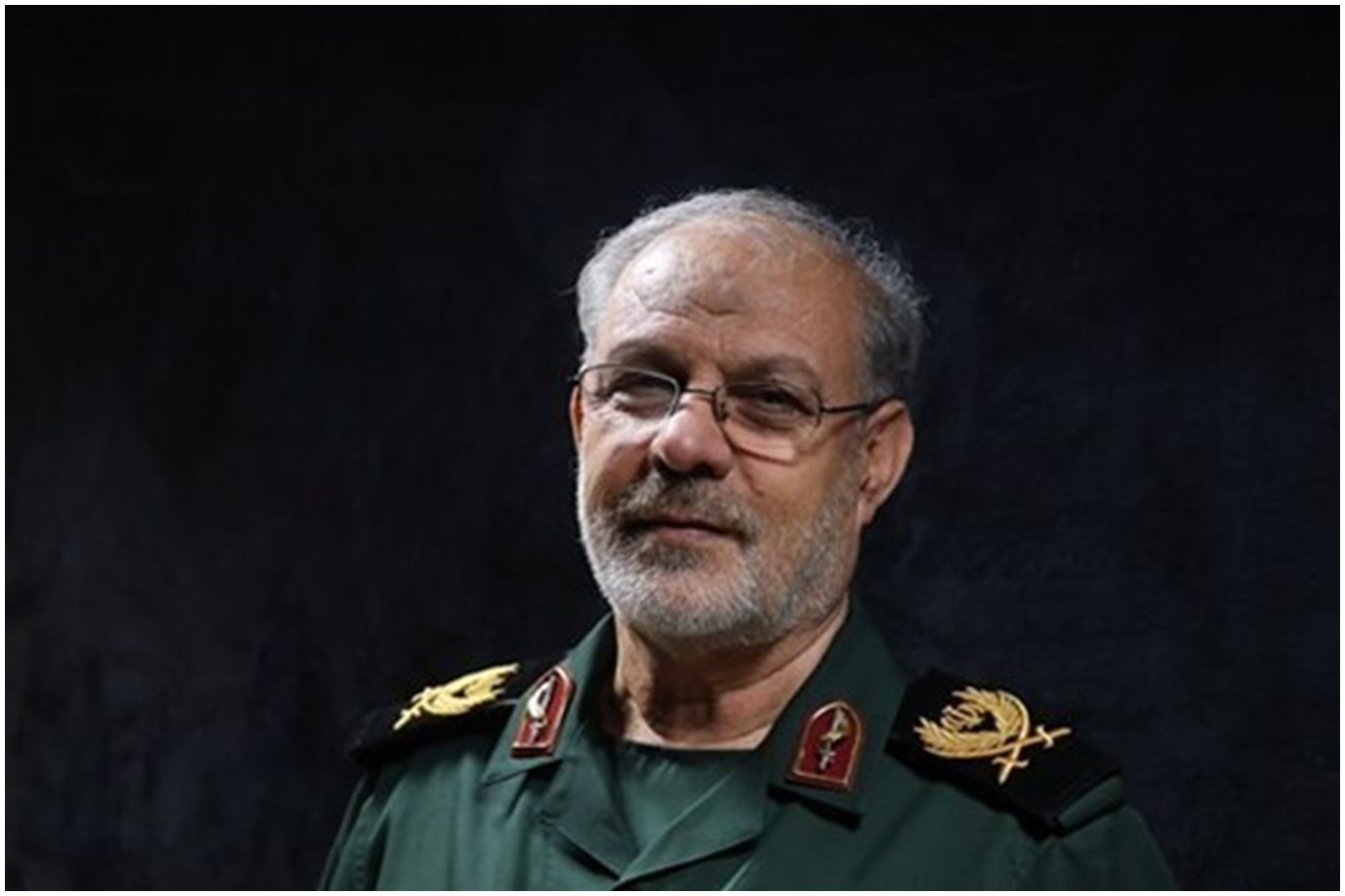
Iran’s Islamic Revolution Guards Corps (IRGC) has warned that any renewed aggression against the country would trigger a significantly different military response, including changes to the geography of the conflict, weapons deployed and targets struck.
IRGC spokesman Brig. Gen. Hossein Mohebbi said in an interview that Iran was prepared for a prolonged conflict and that any new attack would be met with measures that go beyond those used during previous phases of the war.
“If a new aggression takes place, there will definitely be significant changes in our defense and our counteroffensive,” Mohebbi said.
He said the first major change would involve the geographical scope of the conflict.
“We will definitely change the geography of the war,” the IRGC spokesman warned, without providing details on which areas could be affected.
Mohebbi also said Iran would deploy weapons and military equipment with capabilities that had not previously been used during the conflict.
“We will definitely bring new weapons with new capabilities into the battlefield, and the world will be surprised,” he said.
The IRGC spokesman further warned that Iran’s choice of targets would change in the event of renewed hostilities. He said targets struck in previous phases would not necessarily remain the focus and that Tehran had other targets that had not yet been attacked.
Mohebbi said Iran had developed a range of weapons both before and during the conflict and that their capabilities were being continuously upgraded. Some of those systems, he said, had not been used during earlier stages and were considered by Iran to be “strategic weapons.”
He said they would be deployed if Iranian authorities deemed their use necessary.
Addressing the current state of the conflict, Mohebbi said Iran regarded the confrontation with the United States, Israel and their allies as a single continuing war rather than a series of separate conflicts.
“From our point of view, it is the same war,” he said, adding that the conflict had passed through different phases but “has not ended.”
According to Mohebbi, the IRGC had already prepared for the possibility of a prolonged war and was now better prepared for such a scenario.
The spokesman also described what he characterized as major setbacks for the United States during the conflict.
He claimed Washington had suffered a “historic and disgraceful defeat,” while arguing that the United States had been unwilling to acknowledge the outcome.
Mohebbi pointed to the Strait of Hormuz as one example, saying the United States had failed to reopen the strategic waterway.
He argued that Washington’s global and regional military presence has traditionally been justified in part by the need to protect energy supplies and freedom of navigation, but claimed that the U.S. military had nevertheless been unable to restore normal passage through the strait.
The IRGC spokesman also referred to U.S. military installations in the region, claiming that Iranian missiles and drones had targeted American bases and that many had subsequently been rendered inoperable.
The claims could not be independently verified from the information provided.
Mohebbi’s comments come amid heightened tensions between Iran, the United States and Israel, with Tehran repeatedly warning that any renewed military action against Iranian territory would prompt a broader response.
His remarks indicate that Iranian military planners are seeking to signal that any future confrontation would not necessarily follow the pattern of previous rounds of hostilities, particularly in terms of the geographic scope, weapons systems and targets involved. (ILKHA)
LEGAL WARNING: All rights of the published news, photos and videos are reserved by İlke Haber Ajansı Basın Yayın San. Trade A.Ş. Under no circumstances can all or part of the news, photos and videos be used without a written contract or subscription.
Qatar's Ministry of Foreign Affairs has rejected allegations that it interfered in the occupation regime's elections or financed activities aimed at influencing the outcome of the vote.
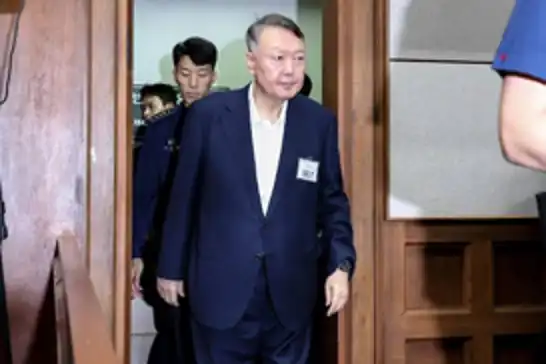
South Korean prosecutors have renewed their call for the death penalty for former President Yoon Suk-yeol over his failed attempt to impose martial law, arguing that his actions posed a serious threat to the country's democratic institutions.

Brazilian right-wing presidential candidate Flavio Bolsonaro has declared himself the country’s rightful leader after arriving in Miami with his family on Wednesday, following his defeat in Sunday’s presidential election.
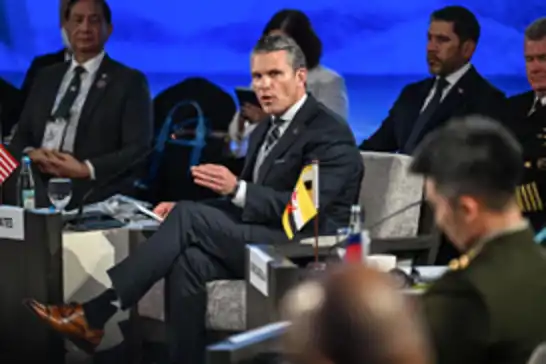
US Defense Secretary Pete Hegseth has removed Lieutenant General Brett Sylvia from one of the Pentagon's most senior military planning positions, further fuelling debate over sweeping leadership changes within the US armed forces and their potential impact on strategic decision-making.