Israeli opposition accuses Netanyahu of trying to overturn election results
 13 oC

Güneşli

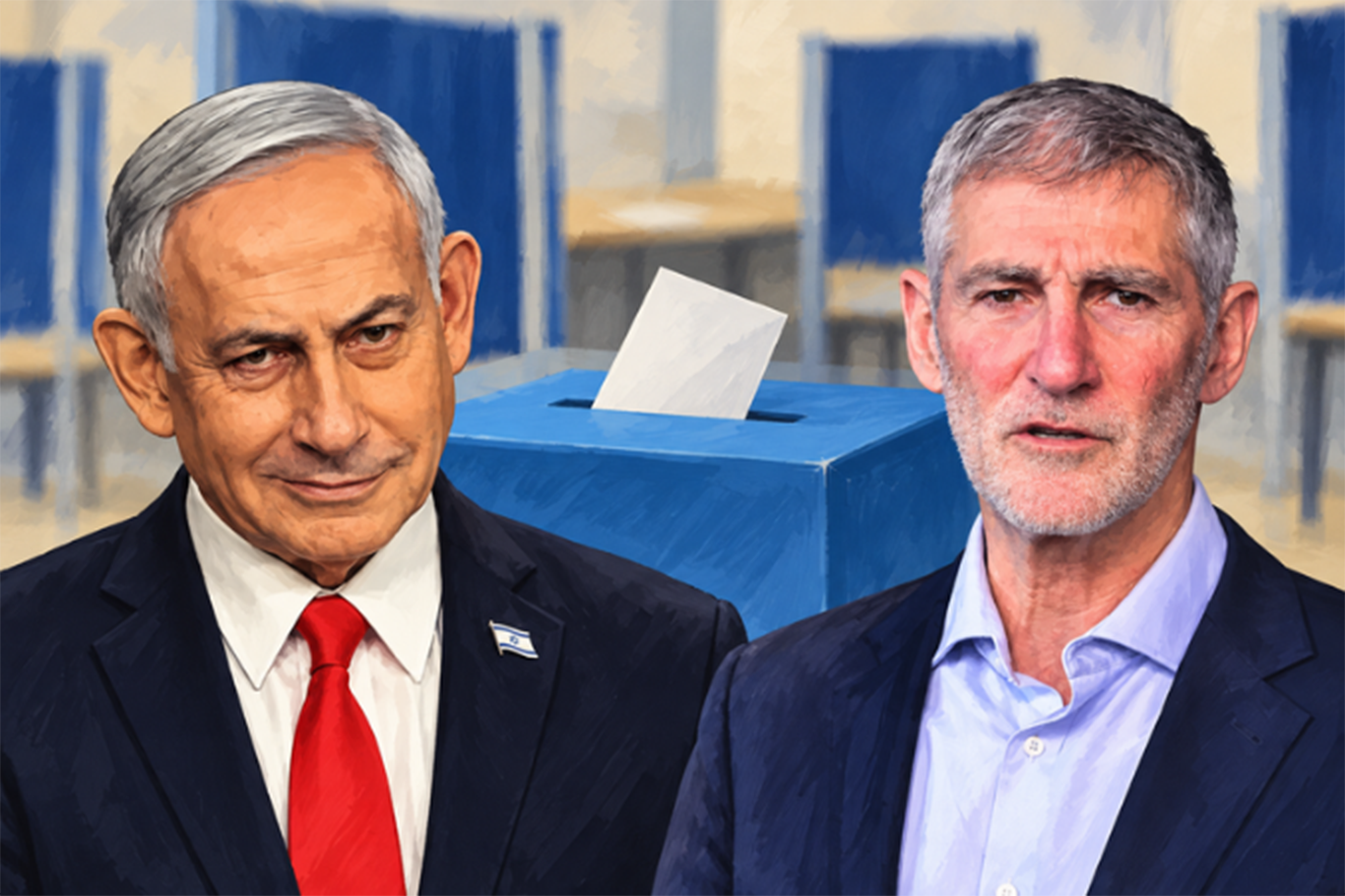
Israeli opposition politicians and commentators have accused Prime Minister Benjamin Netanyahu of attempting to undermine the country's democratic process and cling to power following his election setback, as a Shin Bet investigation into the Palestinian vote intensifies controversy over the election results.
The accusations come after Palestinian citizens of Israel turned out in unprecedented numbers in the Oct. 27 parliamentary elections, helping the Joint List and the United Arab List (Ra'am) secure a historic combined 19 seats in the 120-member Knesset.
The results left Netanyahu's governing bloc with 53 seats, eight short of the 61 needed for a parliamentary majority. The opposition bloc secured 48 seats, while the Arab-led parties emerged as a potentially decisive force in negotiations over the formation of the next government.
Opposition figures have accused Netanyahu and his allies of seeking to discredit the election results by casting suspicion on Palestinian voters and their political representatives.
Shin Bet investigation sparks political backlash
More than a week after the election, Shin Bet chief David Zini is overseeing investigations into allegations of voting fraud, bribery and possible foreign interference, raising concerns over the intelligence agency's involvement in an electoral dispute.
Two separate cases have attracted particular attention. One concerns allegations that activists linked to Ra'am attempted to buy votes, while the other involves claims that foreign actors sought to influence the election. No publicly available evidence has established a connection between the cases.
The allegations have also come under scrutiny after several suspects arrested in connection with the alleged vote-buying scheme were released or had their detention restrictions eased by a court. Ra'am has denied wrongdoing.
On Nov. 4, Israeli opposition leader Yair Lapid accused Netanyahu loyalists within the security establishment of attempting to steal the election. He said the effort to challenge the outcome with the help of government loyalists posed a direct threat to democracy.
Democrats party leader Yair Golan also accused Netanyahu of attempting to stage a coup and seize power by force, saying the Shin Bet and its director had fallen under the influence of the prime minister's family.
Attorney general rejects questioning of Arab lawmakers
The controversy escalated after the Shin Bet reportedly sought permission to question several senior Arab political figures, including Ra'am leader Mansour Abbas, as part of its investigation into possible foreign interference.
Attorney General Gali Baharav-Miara rejected the request, saying elected officials and other citizens could not be interrogated without evidence justifying such action.
The Joint List condemned the move as an attempt to intimidate Palestinian political representatives and delegitimise the Arab vote.
The Central Elections Committee, meanwhile, announced on Nov. 4 that its investigation into allegations of electoral misconduct had found no evidence of irregularities that compromised the integrity of the election or affected its outcome.
Although a separate Shin Bet investigation into alleged foreign interference remains open, election officials have stressed that the suspicions have not been shown to have influenced the results.
Historic Palestinian turnout reshapes political landscape
The election saw an overall voter turnout of approximately 78 percent, the highest in Israel since 1999. Participation among Palestinian citizens was also exceptionally high, reaching approximately 77 percent in Arab and Druze localities, according to an analysis by the Israel Democracy Institute.
The Joint List won 11 seats, while Ra'am secured eight, giving Palestinian-led parties their strongest combined representation in the Knesset in the country's history.
The surge in participation came amid growing frustration in Palestinian communities over rising violent crime, discrimination and policies pursued by Netanyahu's far-right government.
On Nov. 4, President Isaac Herzog formally accepted the certified election results and began consultations with political parties on forming a new government. Coalition negotiations are expected to be difficult, with neither Netanyahu's bloc nor the opposition securing an outright majority.
The role of the Palestinian-led parties could prove decisive in determining the next government, despite continued opposition from several political factions to cooperating with them. (ILKHA)
LEGAL WARNING: All rights of the published news, photos and videos are reserved by İlke Haber Ajansı Basın Yayın San. Trade A.Ş. Under no circumstances can all or part of the news, photos and videos be used without a written contract or subscription.

Two people were killed on Friday after a small aircraft crashed onto Germany's A2 motorway in the eastern state of Saxony-Anhalt, prompting the closure of all lanes heading towards Hannover, police said.
Ali Akbar Velayati, an adviser to Iran’s Leader of the Islamic Revolution for international affairs, has stressed that Iran’s strategic position makes it an indispensable player in shaping the emerging regional order, warning that lasting stability in West Asia can only be achieved through collective security.

Italian Prime Minister Giorgia Meloni has warned that civilian infrastructure across Europe is increasingly vulnerable to attacks following a series of cyber incidents targeting food supplies and blood storage facilities, as well as bomb threats disrupting passenger flights.