Israeli regime approves 567 new settlement units in Hebron
 13 oC
13 oC 
Güneşli

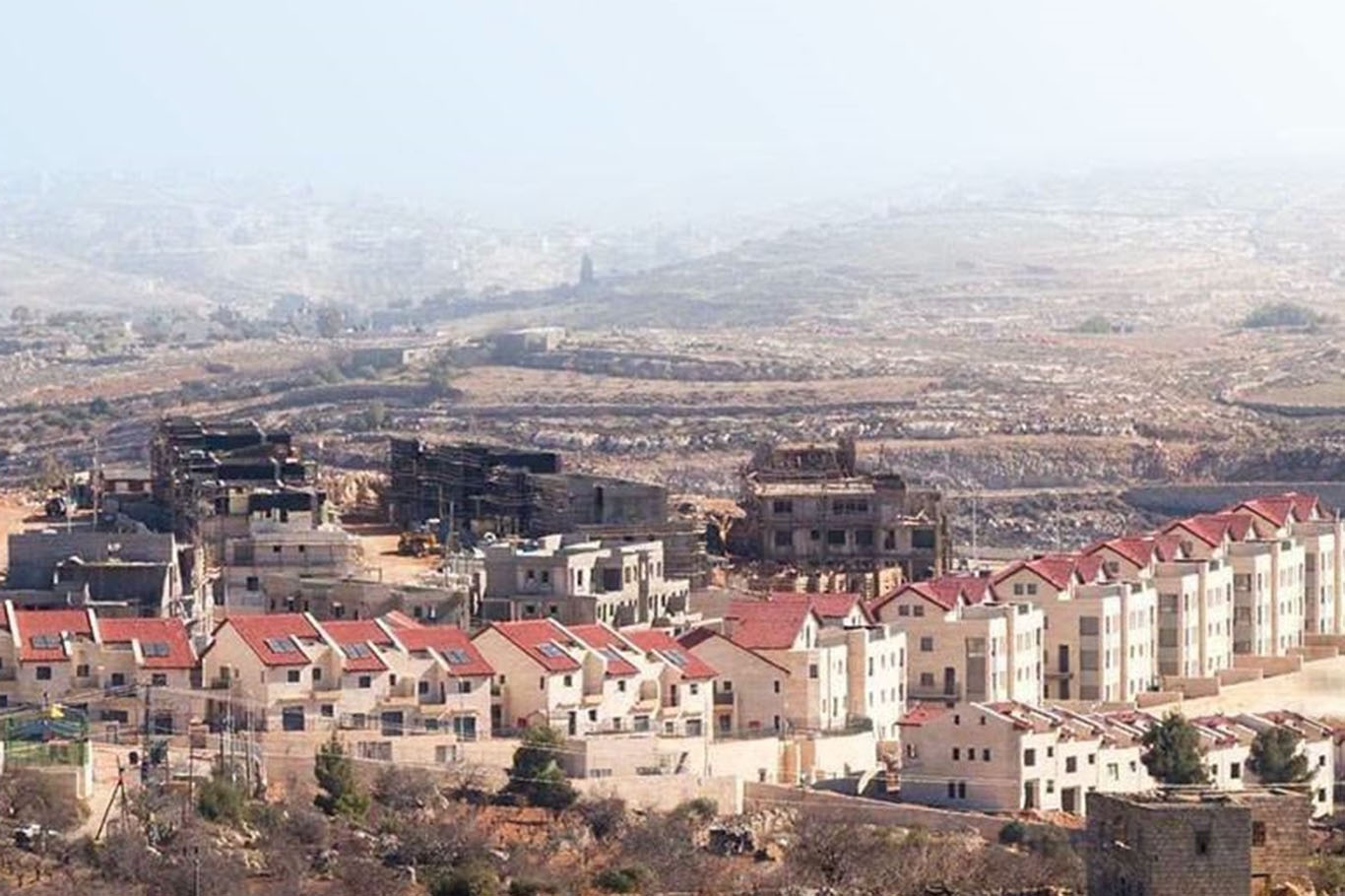
The Israeli regime has approved plans for the construction of 567 new settlement units in two settlements in the Hebron (Al-Khalil) governorate in the occupied West Bank.
The area, covered by plan No. 525, was granted settlement status by the Israeli regime's so-called cabinet in 2023.
The second plan allows for the construction of 225 new settlement units in the Beit Hagai settlement, established on lands belonging to the Al-Rihiya area, which is affiliated with the town of Dura.
The two plans had previously passed earlier planning stages and were advanced toward final approval during a meeting of the so-called Higher Planning Council on September 23.
The Palestinian Wall and Settlement Resistance Commission said the approval opens the way for implementation procedures, including construction and development work.
The commission said the Asael plan represents a major step toward completing the settlement's planning status, while the Beit Hagai plan would significantly expand the size of the settlement.
Israeli media reported that the addition of 225 new units would nearly double the size of the Beit Hagai settlement.
Palestinian officials said the approvals are part of a broader policy of expanding Israeli settlements in the southern occupied West Bank, confiscating Palestinian land and connecting settlements through road and infrastructure networks.
The international community considers Israeli settlements built in the occupied West Bank illegal under international law, while Palestinian authorities say continued settlement expansion undermines prospects for a future Palestinian state.(ILKHA)
LEGAL WARNING: All rights of the published news, photos and videos are reserved by İlke Haber Ajansı Basın Yayın San. Trade A.Ş. Under no circumstances can all or part of the news, photos and videos be used without a written contract or subscription.
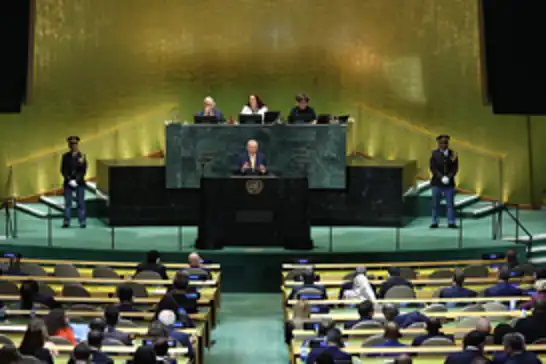
Turkish President Recep Tayyip Erdoğan concluded a four-day visit to New York for the 81st session of the United Nations General Assembly after holding a series of bilateral meetings with world leaders and senior international officials, with Gaza, regional security, the Russia-Ukraine war, Iran, Iraq and economic cooperation among the main issues on his agenda.
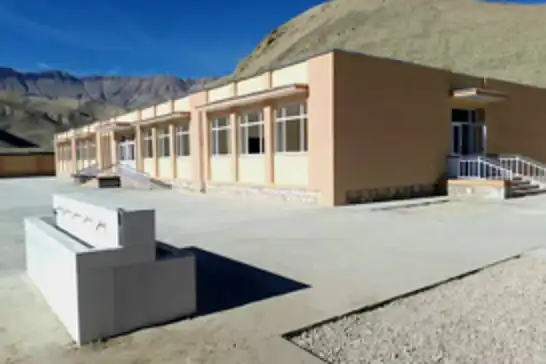
Afghanistan has continued efforts to expand its education infrastructure with the construction of a new school building worth $300,000 in the northern province of Kunduz.
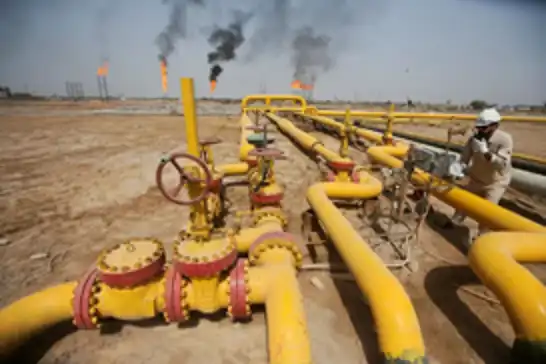
Djibouti and Ethiopia have launched the "Horn of Africa Energy Corridor" project to strengthen energy supply security and reduce costs and logistical risks in the transportation of petroleum products between the two countries.