Latvia launches ‘werewolf’ operation to combat illegal migration
 13 oC
13 oC 
Güneşli

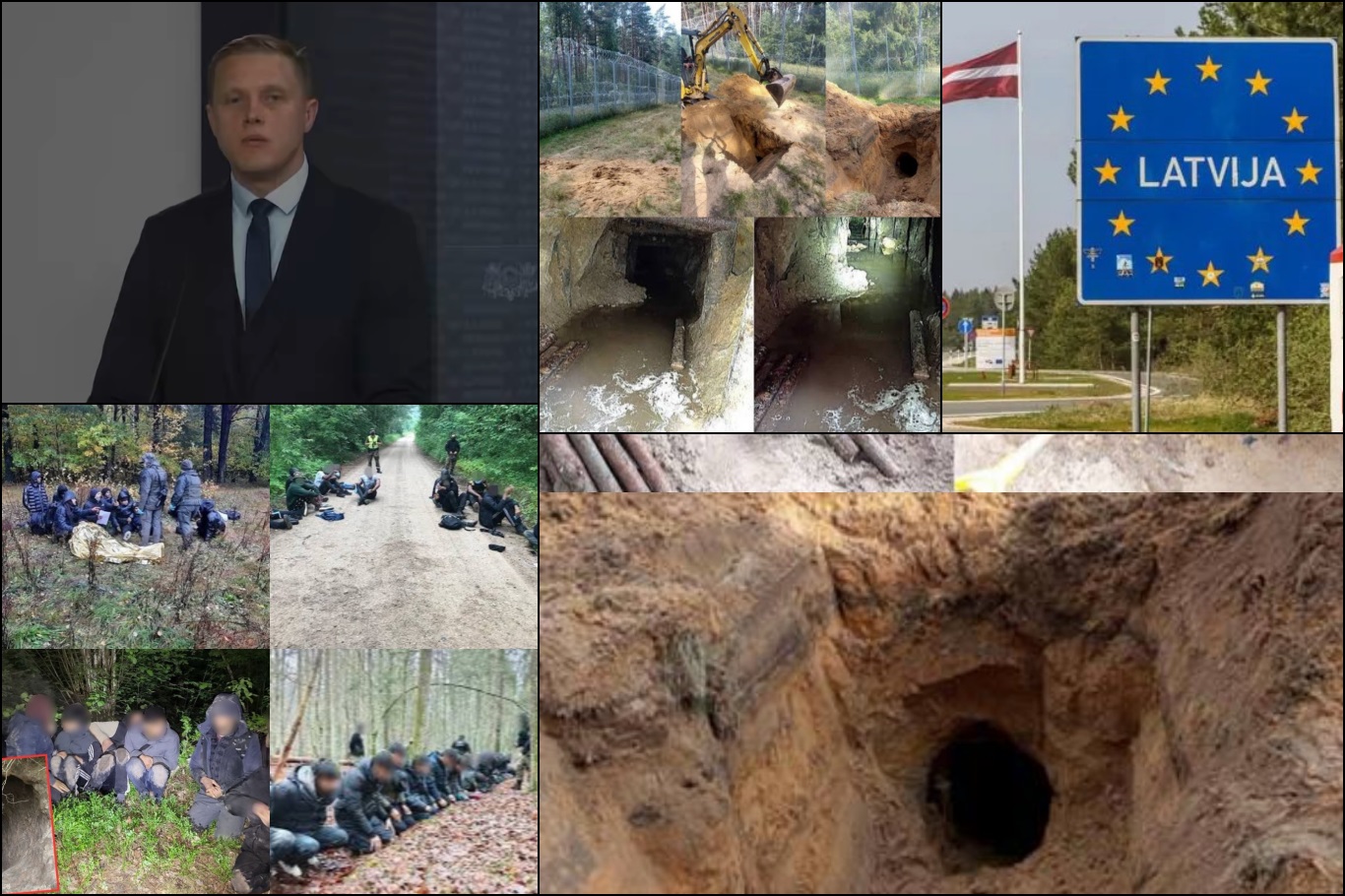
Latvia on Tuesday launched Operation Vilkatis (“Werewolf”), a nationwide operation aimed at preventing illegal migration and strengthening security along the country’s borders. The operation will remain in effect until the end of August, Prime Minister Andris Kulbergs announced.
According to Latvian public broadcaster LSM, the operation establishes an information-sharing mechanism between several state institutions under the coordination of the Crisis Management Centre of the State Chancellery.
The State Border Guard, State Police and Latvian National Armed Forces are taking a leading role in the operation.
Colonel Arvis Zile, head of the Crisis Management Centre, said Latvia considers pressure linked to illegal migration a hybrid threat, requiring coordinated action across multiple state institutions.
Defence Minister Raivis Melnis said that simply deploying additional military personnel along the border would not be sufficient to address the challenge. He stressed the need to combine personnel with modern surveillance and detection technologies.
Under the operation, the Ministry of Defence will provide additional support to the Border Guard, including increasing the number of military personnel involved and supplying logistical assistance.
The authorities plan to deploy drones, helicopters and aircraft as part of intensified border surveillance.
Latvia’s Border Guard, police, Military Intelligence and Security Service, State Security Service and National Armed Forces will exchange operational information concerning attempts to illegally cross the border and individuals suspected of involvement.
The information-sharing system will also cover potential links between individuals and networks involved in organizing illegal migration.
Latvia’s Foreign Ministry will coordinate with Lithuania, Estonia and Poland to strengthen regional cooperation against illegal border crossings and secondary migration movements.
Prime Minister Kulbergs said Latvia faces pressure on its eastern border as part of what he described as Russia’s hybrid warfare strategy.
He accused Russia of using the Latvian border as an element of hybrid pressure and alleged that attacks against Latvian infrastructure are being carried out through Belarus.
Latvian authorities have consequently increased security measures in eastern border areas.
Residents have been warned to expect more frequent vehicle checks on roads and increased aerial surveillance involving drones.
Public Warned About Increased Drone Activity
Drone surveillance will also be conducted during the festival in Aglona, according to Latvian authorities.
The prime minister and defence minister said public warnings would specifically concern foreign drones. However, residents have been urged to report any drones they observe to police by calling 112.
Authorities have asked residents, where possible, to provide the exact time and location at which a drone was spotted.
Operation Vilkatis is part of Latvia’s broader effort to strengthen border security and coordinate civilian, police and military resources amid growing concerns over illegal migration and alleged hybrid threats along the country’s eastern frontier. (ILKHA)
LEGAL WARNING: All rights of the published news, photos and videos are reserved by İlke Haber Ajansı Basın Yayın San. Trade A.Ş. Under no circumstances can all or part of the news, photos and videos be used without a written contract or subscription.

Three migrants, including a 10-year-old child, died Monday after a small boat carrying more than 100 people encountered difficulties while attempting to cross the English Channel from northern France to the United Kingdom, French authorities said.

The death toll from severe flooding triggered by heavy monsoon rains in India's northern Uttar Pradesh state has risen to 81, while 62 others have been injured.

Eight US Marines were injured during an operation carried out by the Islamic Republic of Iran against a vessel in the Strait of Hormuz on September 14, according to reports.

Hundreds of Muslims gathered inside the historic Shahi Masjid in Ujjain, Madhya Pradesh, to oppose plans to remove part of the mosque as part of a road-widening project being carried out ahead of the 2028 Simhastha Kumbh pilgrimage.