Libya launches security operation after deadly fighting near facilities in Zawiya
 13 oC
13 oC 
Güneşli

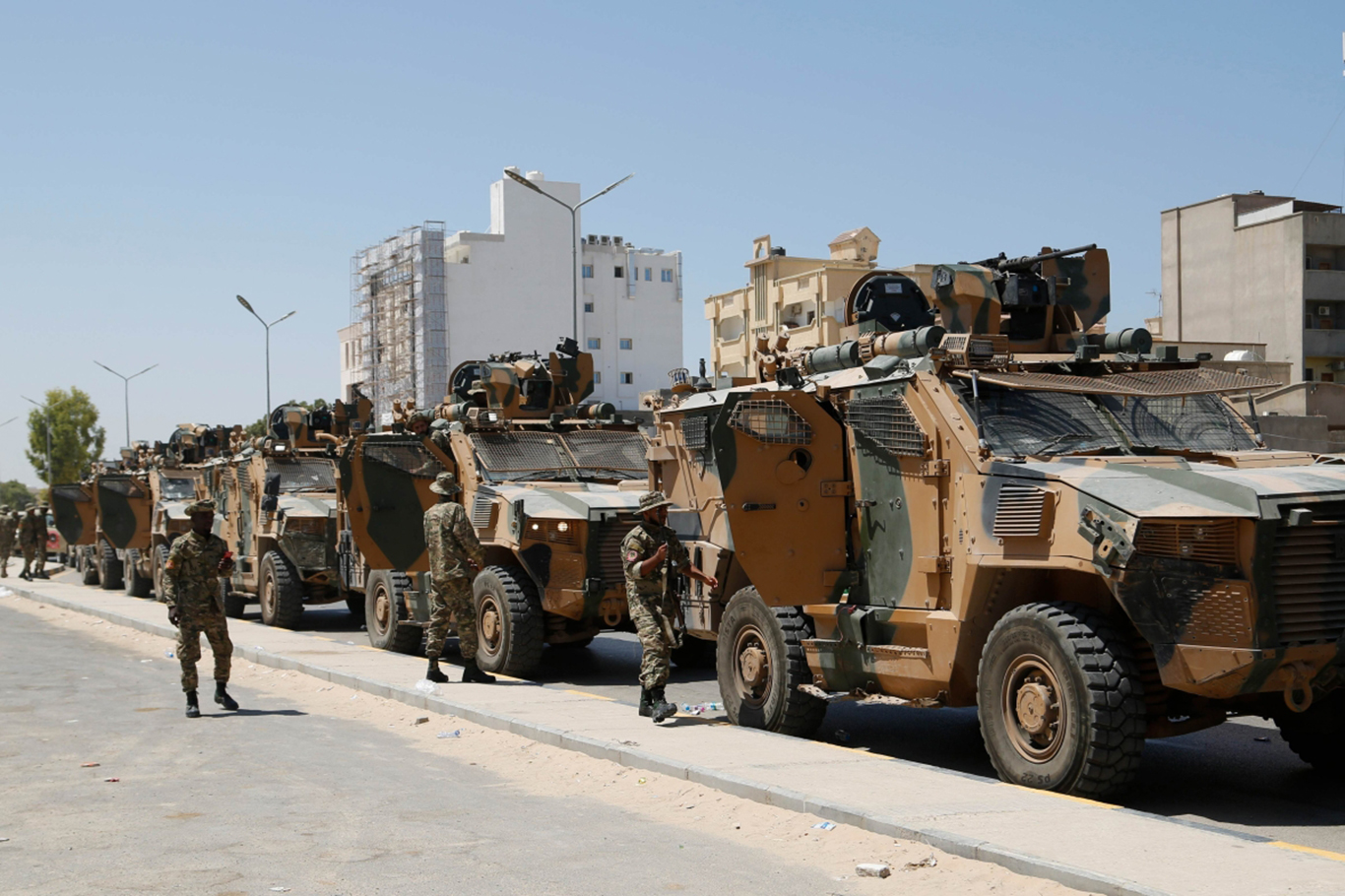
Fierce armed clashes erupted in the western Libyan city of Zawiya on Friday, prompting security authorities to launch a large-scale operation amid escalating violence near one of the country’s most important oil facilities.
According to statements issued by the city’s security authorities, the operation was launched following warrants issued by the prosecutor’s office and includes raids, arrests, and searches targeting individuals accused of threatening public security and social stability.
The Zawiya Security Directorate and the Joint Security Room said the campaign aims to combat criminal activities including the formation of armed gangs, murder, kidnapping, extortion, drug trafficking, human smuggling, and illegal weapons trade.
Heavy fighting reportedly broke out before dawn between rival armed factions competing for influence in the city, particularly around the strategically important Zawiya oil refinery complex. Witnesses said clashes involving heavy weapons spread into nearby residential neighborhoods, causing panic among residents as gunfire and explosions echoed across the area throughout the day.
Local sources described the refinery district as one of the main flashpoints of the confrontation, while emergency services urged residents to remain indoors and avoid unnecessary movement due to the deteriorating security situation.
The Emergency Medicine and Support Centre issued a public warning calling on citizens to exercise extreme caution as the violence continued sporadically across several districts.
Refinery Operations Suspended
Amid the clashes, the National Oil Corporation and the Zawiya Oil Refining Company announced the suspension of operations at the refinery after shells landed inside operational areas of the oil complex.
Authorities said the shutdown was a precautionary measure intended to protect workers, infrastructure, and the surrounding environment. Tankers were also evacuated from the refinery’s port facilities.
The National Oil Corporation stated that emergency procedures had been activated immediately, including the evacuation of workers and students from the oil institute attached to the facility, while firefighting and monitoring teams remained on site.
Despite the closure, officials said fuel supplies to the capital, Tripoli, and surrounding areas had not yet been disrupted.
The Zawiya Oil Refining Company confirmed that shells struck sensitive operational zones within the refinery, forcing a complete halt to production while technical crews worked to prevent further damage.
No official confirmation has been issued regarding the identities of the armed groups involved. However, local sources indicated the fighting stemmed from rival factions competing for territorial and economic influence near the refinery and other strategic locations within the city.
Strategic Importance of Zawiya
Zawiya is considered one of Libya’s most strategically sensitive cities due to its refinery, one of the country’s largest oil-processing facilities and a critical hub for domestic fuel distribution.
The city also serves as an important commercial transit point connecting western Libya to neighboring Tunisia and has long been associated with smuggling networks involving fuel, goods, weapons, and irregular migration routes toward Europe.
Over recent years, Zawiya has repeatedly witnessed outbreaks of violence between armed groups, often leading to road closures along the coastal highway linking Tripoli with the Tunisian border.
The latest escalation comes amid Libya’s prolonged political and security crisis that has persisted since the 2011 uprising which toppled longtime ruler Muammar Gaddafi. The country remains divided between rival administrations, including the internationally recognized Government of National Unity based in Tripoli and a parallel eastern administration backed by parliament.
Oil Sector Recovery Faces New Risks
The violence comes at a sensitive moment for Libya’s oil sector, which has shown signs of recovery in recent months despite years of instability.
According to the National Oil Corporation, Libya’s crude oil production reached approximately 1.43 million barrels per day during April and May 2026 — the highest output recorded in more than a decade and approaching pre-2011 levels.
Authorities have announced plans to increase production to 1.6 million barrels per day by the end of 2026, with long-term ambitions of reaching 2 million barrels per day in the coming years.
The recovery has been supported by infrastructure rehabilitation, improved operational conditions at key oilfields, and the resumption of full-capacity production at the Sharara Oil Field, Libya’s largest oilfield.
International demand for Libyan crude has also risen amid growing geopolitical tensions affecting global energy markets, particularly concerns over shipping routes in the Strait of Hormuz.
Libya possesses the largest proven oil reserves in Africa and remains a major member of Organization of the Petroleum Exporting Countries. Its light, low-sulfur crude oil is highly valued on international markets due to its refining efficiency and high-quality fuel output.
Analysts warn that continued instability in strategic cities such as Zawiya could threaten Libya’s fragile economic recovery and further complicate efforts to stabilize the country’s energy sector. (ILKHA)
LEGAL WARNING: All rights of the published news, photos and videos are reserved by İlke Haber Ajansı Basın Yayın San. Trade A.Ş. Under no circumstances can all or part of the news, photos and videos be used without a written contract or subscription.
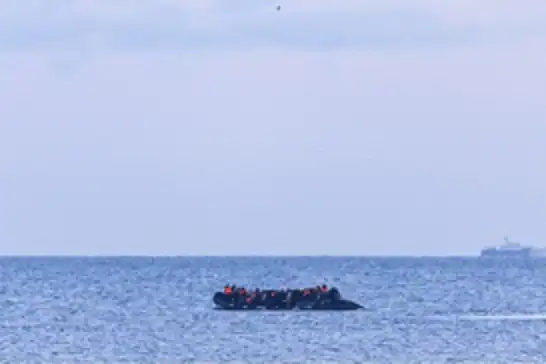
Three migrants, including a 10-year-old child, died Monday after a small boat carrying more than 100 people encountered difficulties while attempting to cross the English Channel from northern France to the United Kingdom, French authorities said.

The death toll from severe flooding triggered by heavy monsoon rains in India's northern Uttar Pradesh state has risen to 81, while 62 others have been injured.
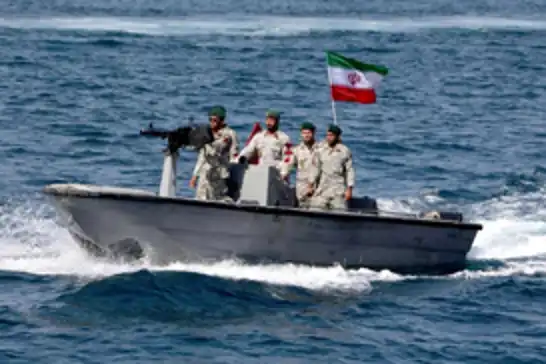
Eight US Marines were injured during an operation carried out by the Islamic Republic of Iran against a vessel in the Strait of Hormuz on September 14, according to reports.
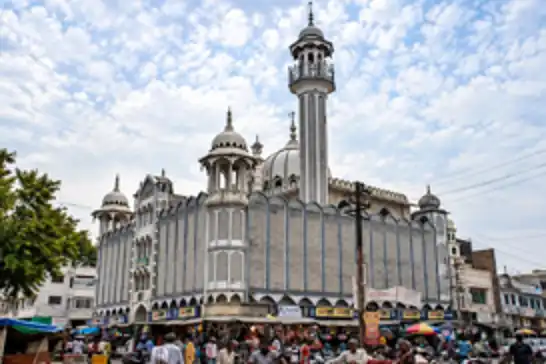
Hundreds of Muslims gathered inside the historic Shahi Masjid in Ujjain, Madhya Pradesh, to oppose plans to remove part of the mosque as part of a road-widening project being carried out ahead of the 2028 Simhastha Kumbh pilgrimage.