New Zealand proposes social media ban for children under 16
 13 oC
13 oC 
Güneşli

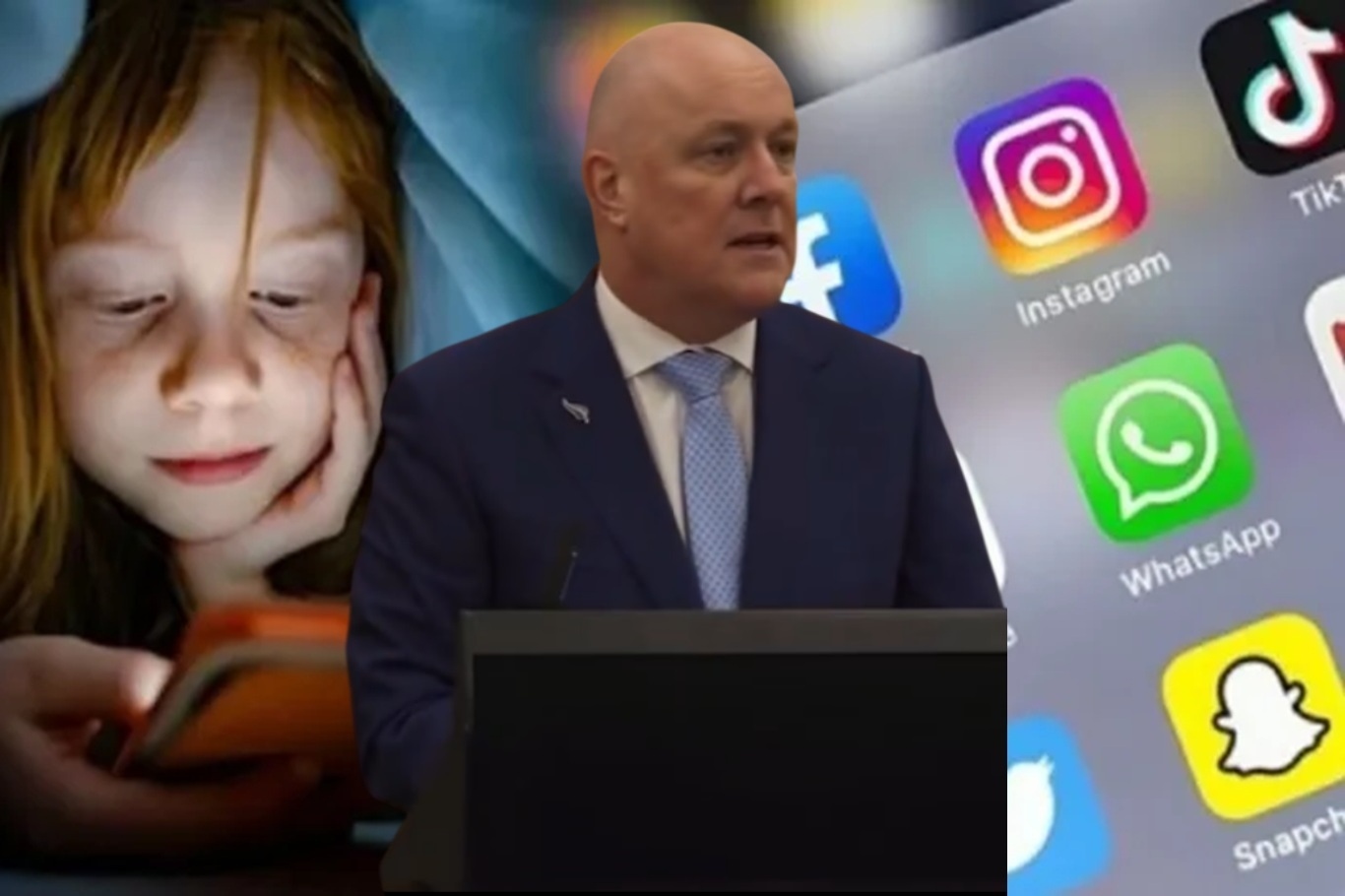
New Zealand Prime Minister Christopher Luxon has unveiled legislation that would ban children under the age of 16 from using social media platforms, saying the measure is intended to protect young people from the harmful effects of online content and addictive digital technologies.
Proposal aims to protect children online
Announcing the proposal on Monday, Luxon argued that social media is causing increasing harm to a generation of young people, affecting their mental health, sleep, education and family life.
The proposal, however, faces significant political obstacles. Two of the three parties in Luxon's governing coalition have already said they will vote against the bill, meaning it would require support from opposition lawmakers to pass.
Luxon also acknowledged that Parliament is scheduled to dissolve on October 1 ahead of November's general election, leaving insufficient time for the legislation to complete New Zealand's three-stage parliamentary approval process during the current term.
The prime minister said that, if re-elected, his government intends to make New Zealand one of the countries imposing a minimum age of 16 for access to social media platforms.
Age verification and penalties
According to Luxon, research conducted in 2025 found that nearly one-third of New Zealand's young people spend at least five hours a day on social media.
Under the proposed law, platforms including Instagram, TikTok, Snapchat and Facebook would be required to take reasonable steps to verify that users are at least 16 years old. Verification could involve existing account information, facial age-estimation technology, digital identity services or official identification documents.
Messaging services such as WhatsApp, online gaming platforms including Roblox, and artificial intelligence applications such as ChatGPT, Gemini and Copilot would be exempt from the restrictions.
The proposal does not include penalties for children or their parents. Instead, technology companies that fail to comply could face fines of up to 10 percent of their global revenue. Platforms widely used by children would also be required to assess risks to young users and publish reports on those findings.
Coalition partners oppose proposal
The New Zealand government began considering similar legislation after Australia became the first country to implement a nationwide ban on social media access for children under 16 in December 2025.
However, Luxon's coalition partners, the libertarian ACT Party and the populist New Zealand First Party, have both reiterated their opposition to the proposal.
Labour Party leader Chris Hipkins said his party has not yet decided whether it will support the legislation.
Global trend toward tighter regulation
Following Australia's move, countries including Canada, Brazil and Indonesia have also introduced or proposed restrictions on social media access for children under 16, while several other governments are considering similar measures.
Supporters argue that age restrictions could better protect children from harmful online content, while privacy advocates warn that age-verification systems may be circumvented and could require users to share sensitive personal information.
Australian regulators reported that social media companies blocked approximately 4.7 million accounts identified as belonging to underage users within a month of the country's restrictions taking effect.
New Zealand also introduced a nationwide ban on mobile phone use during the school day in 2024, regardless of students' age.(ILKHA)
LEGAL WARNING: All rights of the published news, photos and videos are reserved by İlke Haber Ajansı Basın Yayın San. Trade A.Ş. Under no circumstances can all or part of the news, photos and videos be used without a written contract or subscription.

The United States is preparing to impose an additional 7.5 percent tariff on Chinese goods over allegations of excess manufacturing capacity, according to people familiar with the discussions, in a move that could raise tensions with Beijing ahead of a planned September summit between US President Donald Trump and Chinese President Xi Jinping.

The Hamas Movement has condemned Israel’s bombing of a water desalination plant in Gaza City’s Sheikh Radwan neighborhood, saying the attack and continued strikes on displaced Palestinians represent an ongoing assault on Gaza’s civilian population and a violation of the ceasefire agreement.

The Fourth Criminal Court in Damascus has sentenced Ahmad Badr al-Din Hassoun, the former mufti of Syria’s ousted regime, to life imprisonment after convicting him of war crimes and crimes against humanity committed against the Syrian people.

The death toll from Israel’s ongoing assault on the Gaza Strip has risen to 73,431 Palestinians, while 174,437 others have been injured since October 7, 2023, according to medical sources in Gaza.