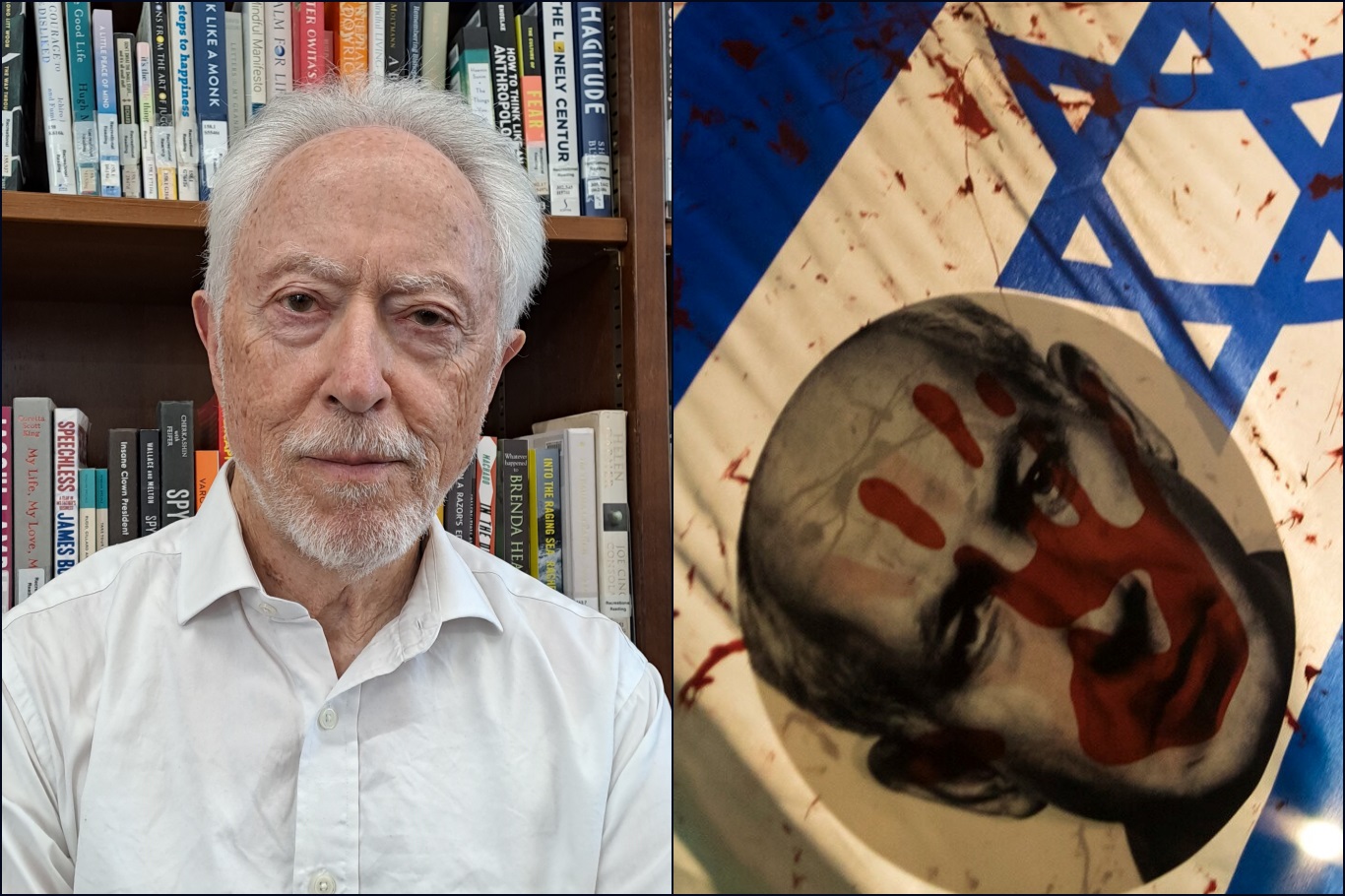
Nobel Laureate Coetzee boycotts Jerusalem festival over Israel's genocide in Gaza
 13 oC
13 oC 
Güneşli

Nobel Prize-winning author J. M. Coetzee has refused to attend the Jerusalem International Writers Festival, citing Israel’s ongoing military campaign in the Gaza Strip and describing it as a “genocidal campaign,” according to a letter reported by The Guardian.
The festival, scheduled to take place from May 25 to 28 in Jerusalem, has previously hosted prominent international writers including Margaret Atwood, and Joyce Carol Oates.
In a letter sent to the festival’s artistic director Julia Fermentto-Tzaisler, Coetzee said he could not participate due to Israel’s ongoing military operations in Gaza.
“For the past two years the state of Israel has been conducting a genocidal campaign in Gaza that has been vastly disproportionate to the murderous provocation of 7 October 2023,” he wrote, as cited by The Guardian.
He further argued that responsibility for the situation extended beyond the military, saying the campaign appeared to have broad societal backing within Israel, and that cultural and intellectual institutions could not be separated from the consequences of state actions.
“This campaign, conducted by the IDF, appears to have had the enthusiastic support of the vast majority of Israel’s population,” he wrote.
Coetzee, 86, said that it could take years for Israel to restore its international standing following its actions in Gaza. The author, who was born in apartheid-era South Africa and now lives in Australia, has long been known for his criticism of state violence and colonial systems.
He also reflected on his earlier support for Israel, noting that his position had shifted over time. Coetzee previously visited Jerusalem in 1987 to receive the Jerusalem Prize for literature, awarded to writers promoting freedom in society.
However, he said Israel’s current military campaign in Gaza had fundamentally changed his perspective, describing it as a “campaign of annihilation.”
“I kept telling myself that surely the day was coming when the Israeli people would have a change of heart and deliver some form of justice to the Palestinian people whose land they had taken over,” he said.
Festival artistic director Julia Fermentto-Tzaisler, responding in comments to Israeli media outlet Ynet, said she was deeply affected by the tone of Coetzee’s letter. She expressed disappointment, saying she had hoped for dialogue rather than refusal.
Coetzee’s decision comes amid a growing wave of cultural boycotts and withdrawals from Israeli-linked institutions.
Authors such as Sally Rooney have previously declined to work with Israeli publishers, while writers including Naomi Klein have withdrawn from events in protest of Israel’s military actions in Gaza.
In the film industry, figures such as Ken Loach, Tilda Swinton, and Olivia Colman have signed pledges to boycott Israeli film institutions they describe as complicit in the conflict.
These actions are increasingly linked to the broader Boycott, Divestment and Sanctions (BDS) movement, which calls for international pressure on Israel over its policies toward Palestinians. (ILKHA)
LEGAL WARNING: All rights of the published news, photos and videos are reserved by İlke Haber Ajansı Basın Yayın San. Trade A.Ş. Under no circumstances can all or part of the news, photos and videos be used without a written contract or subscription.
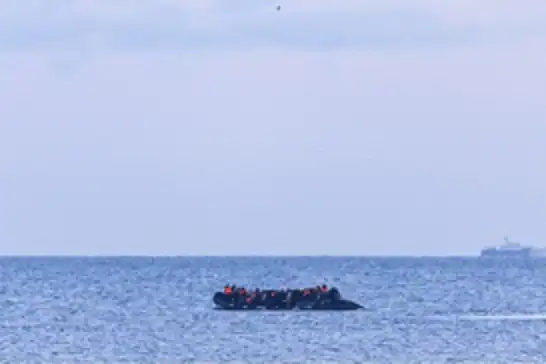
Three migrants, including a 10-year-old child, died Monday after a small boat carrying more than 100 people encountered difficulties while attempting to cross the English Channel from northern France to the United Kingdom, French authorities said.
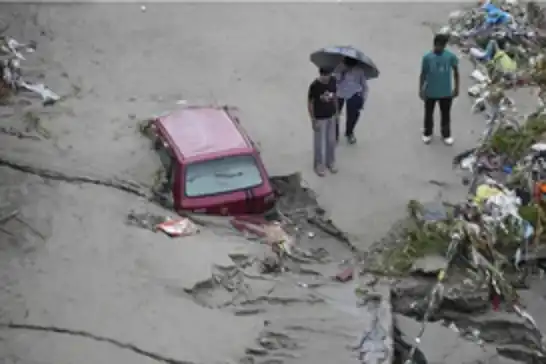
The death toll from severe flooding triggered by heavy monsoon rains in India's northern Uttar Pradesh state has risen to 81, while 62 others have been injured.
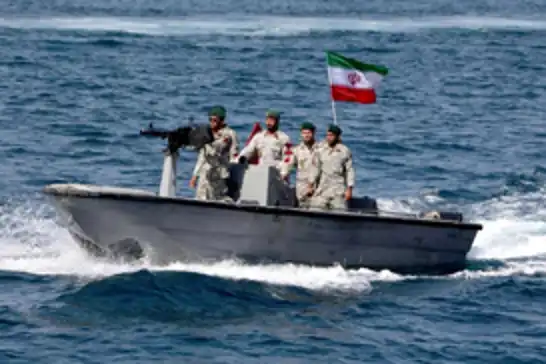
Eight US Marines were injured during an operation carried out by the Islamic Republic of Iran against a vessel in the Strait of Hormuz on September 14, according to reports.
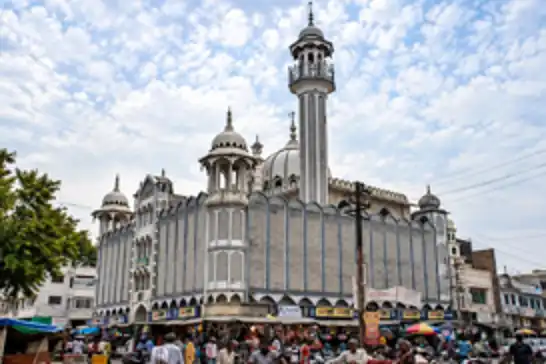
Hundreds of Muslims gathered inside the historic Shahi Masjid in Ujjain, Madhya Pradesh, to oppose plans to remove part of the mosque as part of a road-widening project being carried out ahead of the 2028 Simhastha Kumbh pilgrimage.