Recovery teams retrieve 69 Palestinian bodies from rubble in northern Gaza
 13 oC

Güneşli

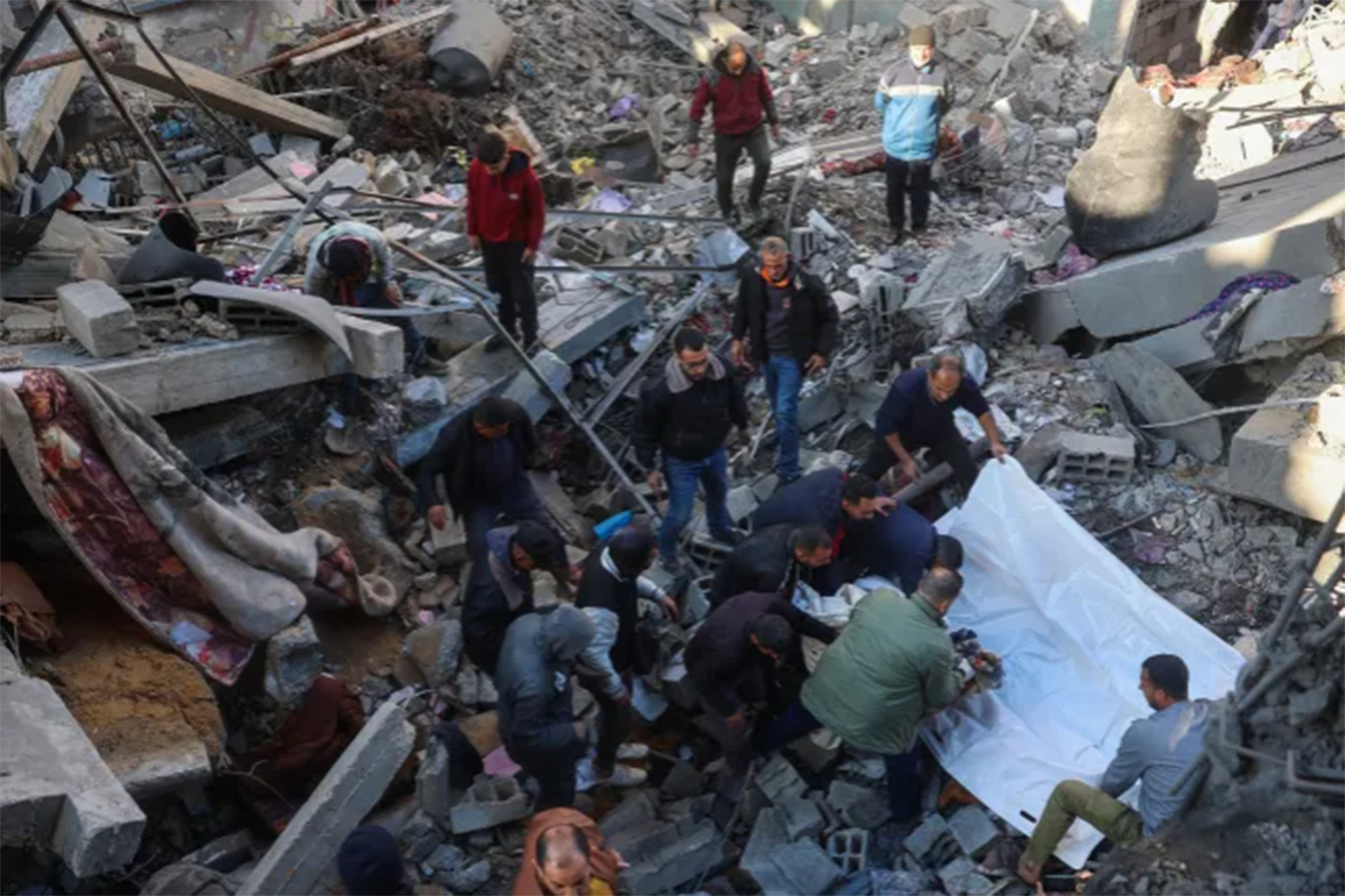
Recovery teams have retrieved the bodies of 69 Palestinians from several locations in Jabalia refugee camp and Beit Lahia in northern Gaza, as search operations continue for thousands of people believed to remain buried beneath buildings destroyed during Israel's genocidal war on the enclave.
The recovery operations covered the al-Hakoura area and the vicinity of schools in Jabalia refugee camp, as well as several locations in Beit Lahia.
Among those recovered were members of the Abu Warda, Nabhan, Yazji, Masoud and al-Dabbas families. Their funerals are scheduled to be held on Monday.
The latest recoveries come as thousands of Palestinian families remain uncertain about the fate of relatives who disappeared during Israeli attacks and the widespread destruction across the territory.
According to estimates by the Palestinian Civil Defense, more than 8,000 people are believed to remain buried beneath the rubble of destroyed buildings across Gaza.
Broader estimates put the number of missing Palestinians at more than 10,000, including people who disappeared during forced displacement, those believed to be held in Israeli detention and unidentified individuals buried without proper identification. These figures are based on different sources and do not constitute a single confirmed count.
Civil Defense teams and specialized recovery crews continue to face severe challenges in locating and retrieving bodies due to widespread destruction and critical shortages of heavy machinery, specialized equipment and fuel.
With limited resources, rescue workers are often forced to use basic tools and their bare hands to clear debris and reach bodies trapped beneath collapsed buildings.
The operations are further complicated by unstable structures, dangerous working conditions and difficulties accessing heavily damaged areas, increasing the risk of further collapses and delaying recovery efforts.
Despite extensive damage to government facilities and the destruction of much of their equipment during Israeli attacks, local teams continue searching for missing Palestinians, documenting recovered bodies and identifying remains before handing them over to their families.
According to UN reports, Gaza's Civil Defense has only one excavator available, despite the enormous need for heavy machinery to clear thousands of sites where people are believed to remain buried.
UN officials have warned that shortages of heavy machinery, fuel and other essential resources could prolong the search for missing Palestinians and the recovery of their remains for years.
The unprecedented scale of destruction across Gaza has left thousands of families unable to determine the fate of their loved ones or provide them with dignified burials.
For many families, the suffering continues long after the loss of relatives, as they wait for their remains to be recovered and identified.
The ongoing recovery operations highlight another devastating dimension of the humanitarian catastrophe in Gaza, where families who have endured repeated displacement, destruction and bereavement are now struggling to retrieve and bury their loved ones.
Without urgent international support and access to adequate machinery, fuel and specialized equipment, the search for missing Palestinians is likely to remain painfully slow, leaving thousands of families waiting for answers and the opportunity to lay their loved ones to rest. (ILKHA)
LEGAL WARNING: All rights of the published news, photos and videos are reserved by İlke Haber Ajansı Basın Yayın San. Trade A.Ş. Under no circumstances can all or part of the news, photos and videos be used without a written contract or subscription.
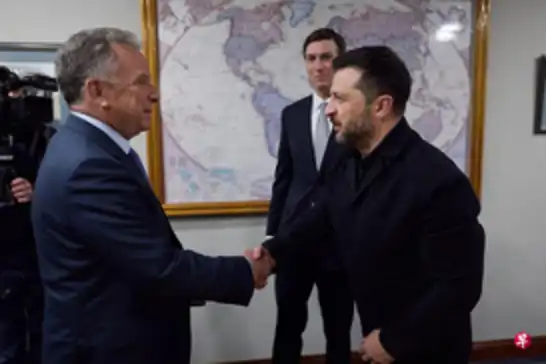
Ukrainian President Volodymyr Zelensky has revealed that US negotiators raised the possibility of Ukraine withdrawing its remaining forces from the eastern Donbas region in exchange for NATO membership, as Washington steps up diplomatic efforts to broker an end to the war with Russia.
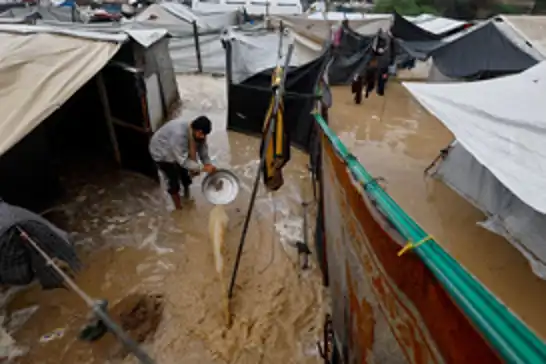
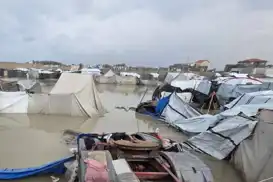
The World Health Organization (WHO) has warned that around 950,000 displaced Palestinians in the Gaza Strip are living in areas at risk of flooding, with 400,000 people facing extremely high risks as winter conditions approach.
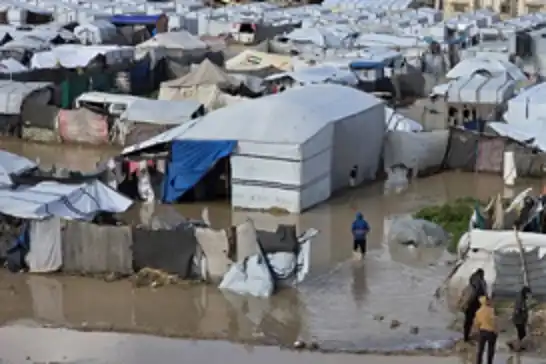
The devastating impact of the latest rainstorm in the Gaza Strip was preventable, as Israeli occupation policies continue to obstruct the delivery of life-saving humanitarian supplies and prevent displaced Palestinians from accessing safer shelter, the Humanitarian Country Team (HCT) in the Occupied Palestinian Territory has warned.