Romania shuts down last operating reactor at Cernavoda nuclear plant as Danube water levels fall
 13 oC
13 oC 
Güneşli

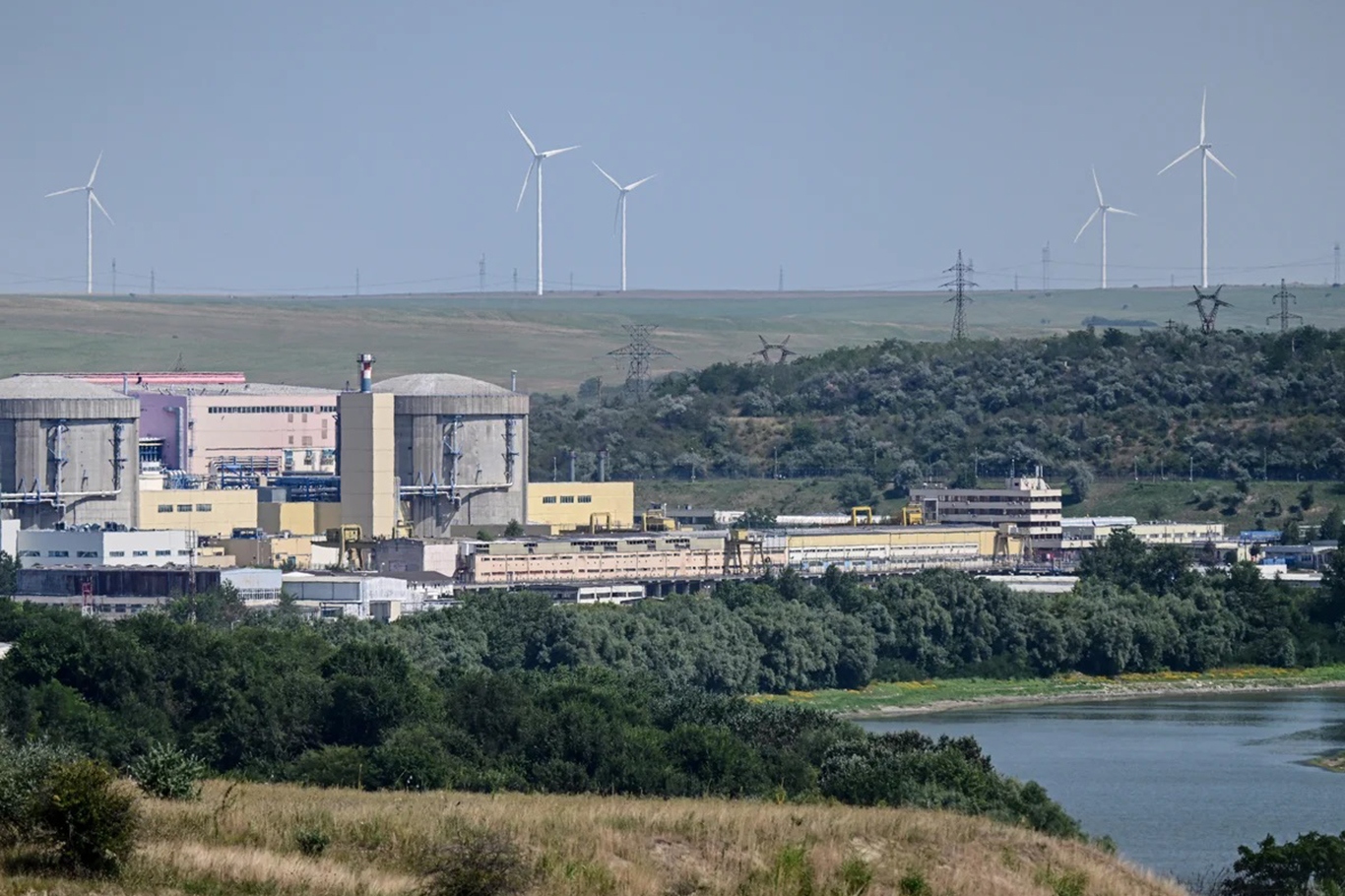
Romania has temporarily shut down the last operating reactor at the Cernavoda Nuclear Power Plant after record-low water levels in the Danube River reduced the cooling water available for the facility, leaving the country without nuclear-generated electricity for the first time in years.
State-owned operator Nuclearelectrica said both 706-megawatt reactors, which normally generate around 20% of Romania's electricity, are now offline because of the continued decline in the Danube's water level. The plant's first reactor was shut down on July 28 for the same reason.
The Danube's flow at Romania's entry point fell from around 1,700 cubic meters per second at the end of July to approximately 1,370 cubic meters per second in August, far below the long-term July average of 4,700 cubic meters per second.
Nuclearelectrica said it does not expect the second reactor to return to service within the next 10 days.
Emergency measures
Romanian authorities had taken a series of emergency measures in an effort to keep the reactor operating, including river engineering works to redirect more Danube water toward the plant's cooling system. Despite those efforts, worsening drought conditions forced the complete shutdown of the facility.
The government has declared an energy emergency throughout August and urged households and businesses to reduce electricity consumption during peak demand hours.
The Ministry of Energy said a 330-megawatt lignite-fired power plant had been brought online to help offset the shortfall, while electricity generation from wind farms, hydropower and electricity imports is being increased where possible.
Regional impact
The shutdown is expected to have immediate consequences for neighboring Moldova, which relies on Romania to cover up to 60% of its electricity needs.
If Romanian electricity exports remain suspended, Moldova may have to increase imports from Ukraine, purchase more expensive electricity from Western European markets or introduce rolling power outages.
The shutdown highlights the growing impact of prolonged drought and extreme heat on Europe's energy infrastructure, with low water levels along the Danube also affecting nuclear power generation in neighboring countries.(ILKHA)
LEGAL WARNING: All rights of the published news, photos and videos are reserved by İlke Haber Ajansı Basın Yayın San. Trade A.Ş. Under no circumstances can all or part of the news, photos and videos be used without a written contract or subscription.

Hamas has warned that Israel’s decision to transfer executive authority over Israeli settlers in the occupied West Bank from the military to the police represents a dangerous step toward de facto annexation and the consolidation of Israeli control over occupied Palestinian territory.

At least 16 people were killed and 40 others injured after a passenger bus crashed into a parked truck on a major highway in central Cameroon early Friday, according to police and local reports.
Japan has raised the volcanic alert level for Mount Aso in Kumamoto Prefecture from Level 2 to Level 3 following a sharp increase in volcanic tremors and gas emissions, prompting authorities to restrict access to the volcano.