Trump announces ‘Project Freedom’ to escort stranded ships in Strait of Hormuz
 13 oC
13 oC 
Güneşli

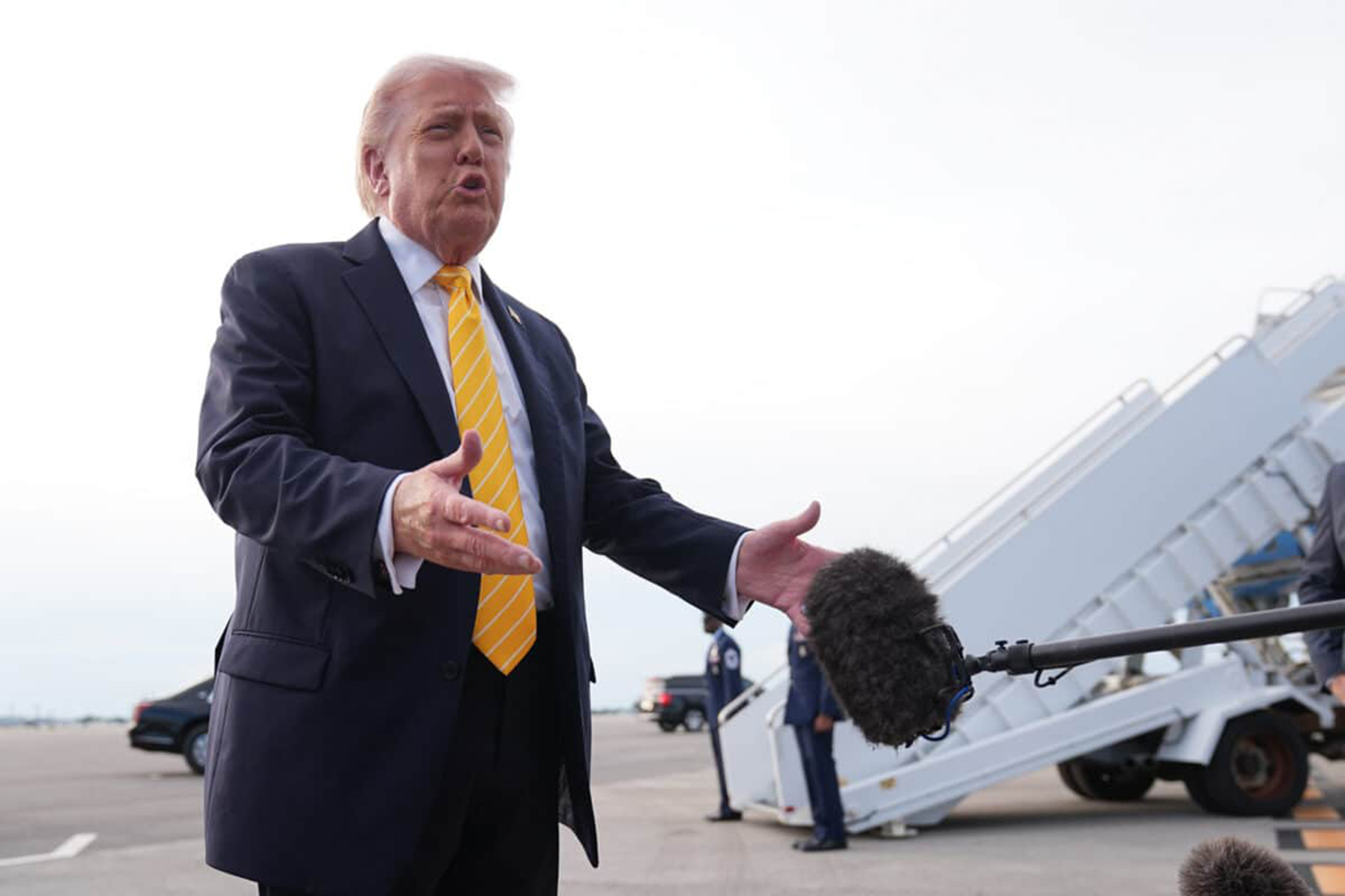
The United States has announced a new maritime initiative in the Strait of Hormuz, with Donald Trump stating that Washington will begin operations aimed at assisting foreign vessels stranded amid heightened regional tensions.
In a statement posted Sunday on Truth Social, Trump said multiple countries had requested US support to help “free” ships unable to pass through the strategic waterway. The initiative, dubbed “Project Freedom,” is set to begin Monday morning (West Asia time), with US personnel tasked with guiding vessels and their crews safely out of restricted areas.
Trump emphasized that many of the affected ships belong to countries not directly involved in the ongoing conflict, describing them as “neutral and innocent bystanders.” He framed the operation as a humanitarian effort, adding that vessels would avoid returning to the area until safe navigation can be ensured.
However, US officials indicated that the plan does not necessarily involve direct naval escorts. Instead, American warships are expected to remain in the vicinity, ready to respond if threats emerge, while also advising commercial vessels on routes considered safer — particularly those believed to be free of maritime hazards such as mines.
The approach allows Washington to maintain a military presence in the region while avoiding the optics of a broader escalation. Trump also warned that any interference with the operation would be met with a forceful response.
At the same time, the US president said American representatives are engaged in what he described as “very positive discussions” with Tehran, suggesting a possible path toward de-escalation. Iranian authorities have not yet issued an official response to these remarks.
The announcement comes as Iran signals a more assertive role in managing transit through the Strait of Hormuz. Ali Nikzad recently outlined a 12-point framework aimed at regulating maritime traffic through the critical energy corridor.
According to Nikzad, the proposal would introduce a licensing system requiring vessels to obtain authorization from Iranian authorities before entering the Strait. The plan also includes restrictions on certain ships, including a ban on vessels linked to Israel and conditions for ships from what Iran considers “hostile countries.”
Nikzad stated that the framework would be implemented in line with international law while respecting the rights of neighboring states, stressing that Iran would uphold its sovereign authority over the waterway.
He further described the initiative as comparable in importance to Iran’s historic oil nationalization, underlining the strategic significance Tehran places on the Strait of Hormuz.
The parallel developments highlight growing international focus on the waterway, a key route for global energy supplies, as competing approaches to security and governance continue to take shape. (ILKHA)
LEGAL WARNING: All rights of the published news, photos and videos are reserved by İlke Haber Ajansı Basın Yayın San. Trade A.Ş. Under no circumstances can all or part of the news, photos and videos be used without a written contract or subscription.
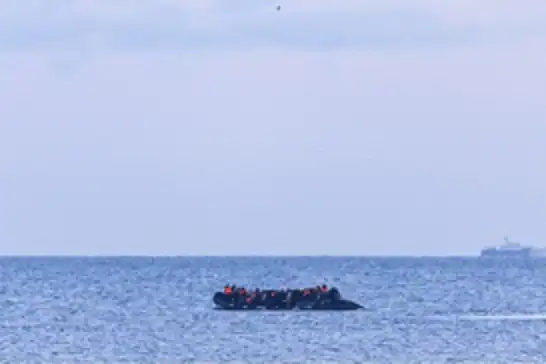
Three migrants, including a 10-year-old child, died Monday after a small boat carrying more than 100 people encountered difficulties while attempting to cross the English Channel from northern France to the United Kingdom, French authorities said.
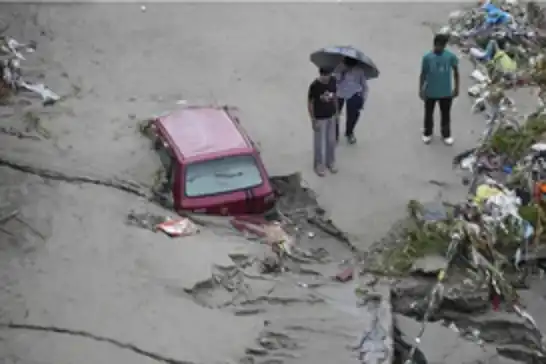
The death toll from severe flooding triggered by heavy monsoon rains in India's northern Uttar Pradesh state has risen to 81, while 62 others have been injured.
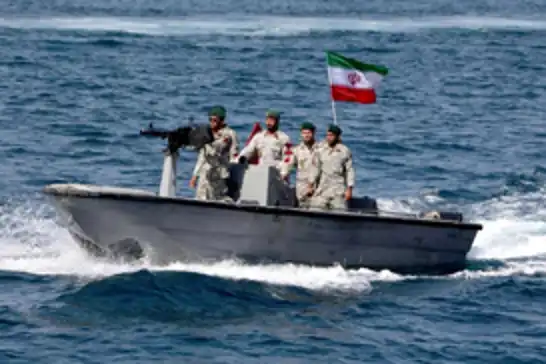
Eight US Marines were injured during an operation carried out by the Islamic Republic of Iran against a vessel in the Strait of Hormuz on September 14, according to reports.
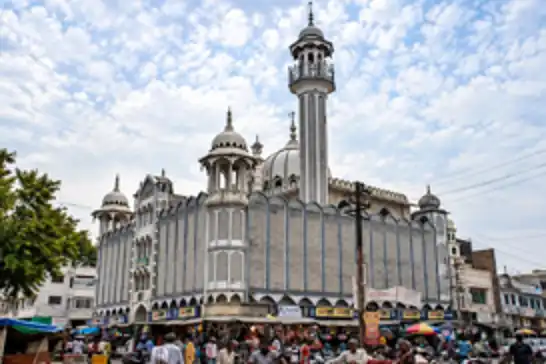
Hundreds of Muslims gathered inside the historic Shahi Masjid in Ujjain, Madhya Pradesh, to oppose plans to remove part of the mosque as part of a road-widening project being carried out ahead of the 2028 Simhastha Kumbh pilgrimage.