Trump escalates threats against Iran as Tehran keeps door to diplomacy open
 13 oC
13 oC 
Güneşli

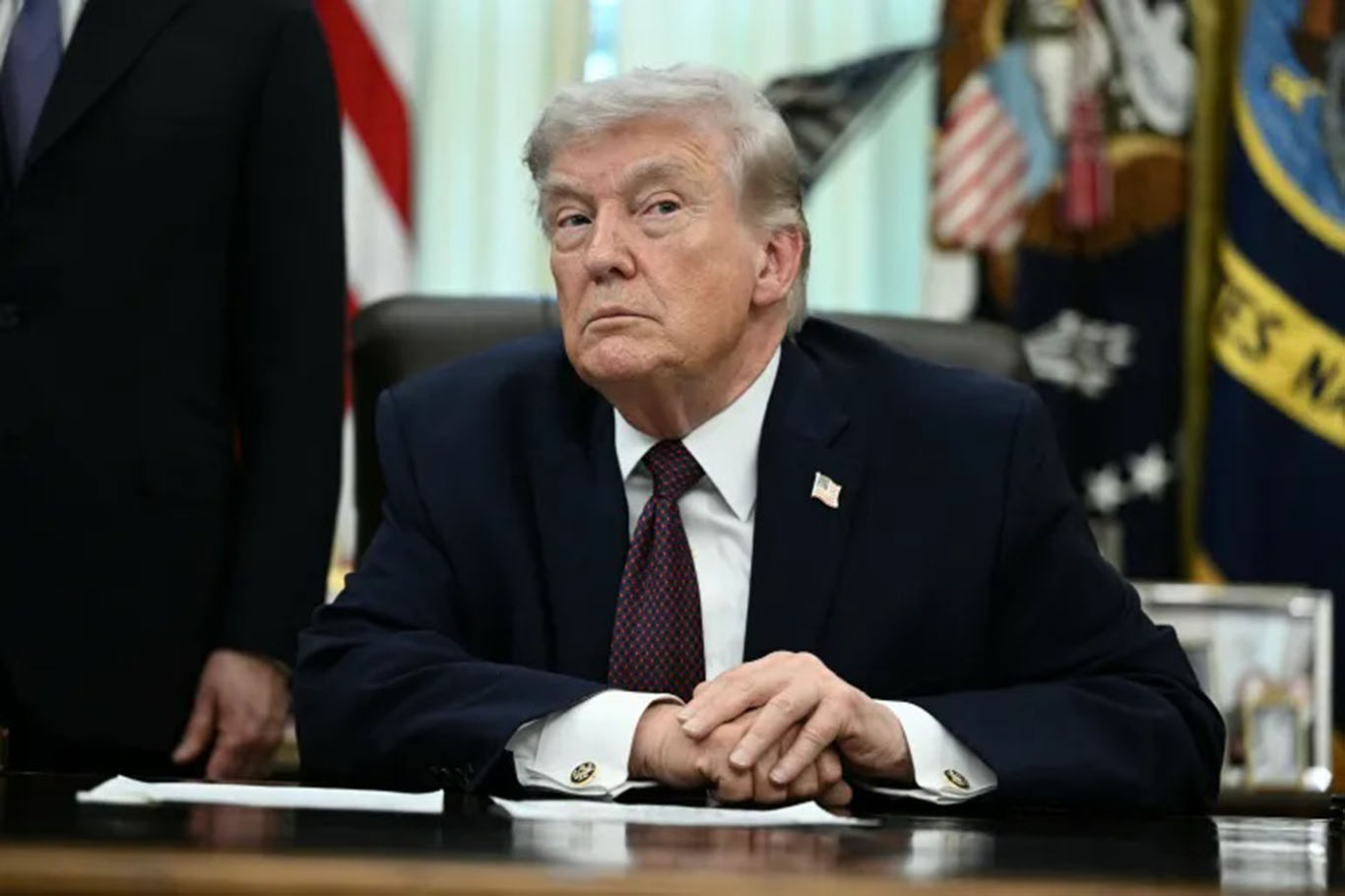
US President Donald Trump has threatened Iran with the possibility of destroying the country, while saying he remains open to meeting Iranian President Masoud Pezeshkian at the United Nations General Assembly in New York.
Trump's remarks came as Washington weighs its next move in the escalating conflict with Iran and Tehran warns that any renewed US attack would trigger a powerful response across the region.
Speaking to Fox News on Sunday, Trump said he was in a “deciding mode” over Iran and that “very big things” could happen in the near future. He said the options under consideration included “wiping Iran out,” imposing further economic pressure or reaching a deal.
Trump also made a stark threat against Iran, saying: “My question is, if and when do I blow the entire nation up?” He added that Iran “better behave.”
The remarks have further underscored the gap between Washington's public threats and Tehran's insistence that it will not negotiate under military or economic pressure.
Tehran rejects threats and unilateral pressure
Iranian officials have repeatedly said that the era of accepting pressure from Washington is over and that Tehran will respond to any new military action.
Iran's Khatam al-Anbiya Central Headquarters warned Sunday that any renewed US attack would be met with sustained attacks against US positions and interests in the region.
The Iranian military command said it had received information indicating that Washington had decided to resume hostile actions against Iran, allegedly with the support of some regional countries. It warned that countries assisting such actions could be regarded by Tehran as participants in the aggression.
“If the US makes any mistake against the Islamic Republic of Iran, all its positions and interests in the region will be targeted,” the headquarters said.
The warning reflects Tehran's stated strategy of deterring further attacks by making clear that any conflict would not remain confined to Iranian territory.
Iran keeps diplomacy open — but on its own terms
Despite the increasingly harsh rhetoric, both sides have continued to leave open the possibility of diplomacy.
Trump said he would “probably” be open to meeting Pezeshkian during the UN General Assembly this week. Fox News confirmed that Trump had expressed willingness to meet his Iranian counterpart in New York.
For Tehran, however, negotiations are tied to conditions it has already communicated through intermediaries.
Iranian officials have said those conditions include an end to hostilities, the release of frozen Iranian funds and an end to the naval blockade. Tehran has also rejected what it describes as attempts by Washington to impose negotiating terms unilaterally.
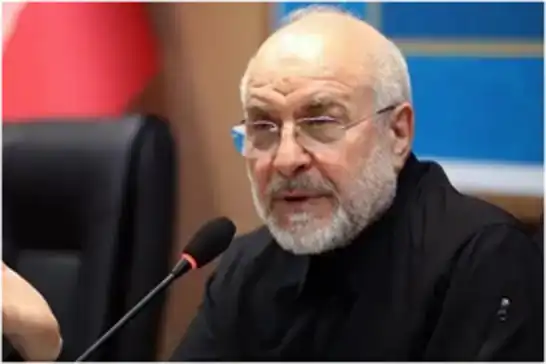
Iranian Parliament Speaker Mohammad Bagher Ghalibaf said Sunday that Iran would continue pursuing military and diplomatic tracks simultaneously and would not return to previous negotiating conditions unless its stated demands were addressed.
Hormuz becomes a central point of leverage
The Strait of Hormuz remains one of Tehran's most important sources of leverage in the confrontation.
Iran has tied the reopening of the strategic waterway to the fulfillment of its conditions and recognition of what it describes as its legitimate rights. The strait is crucial to global energy supplies, making its status a major concern for international markets.
The confrontation has already sharply reduced shipping through the waterway and contributed to wider disruption in regional energy markets. Reuters reported that traffic through Hormuz remained well below normal levels amid the standoff.
From Tehran's perspective, maintaining control over access through the strait provides an important counterweight to Washington's military and economic pressure.
Tehran warns regional states against joining US actions
Iran has also issued a direct warning to regional governments that might cooperate with renewed US military operations.
The Khatam al-Anbiya Central Headquarters said countries that align themselves with what Tehran calls US aggression should not expect Iran to exercise restraint if attacks are launched from their territory or facilities.
The warning is particularly significant because US military operations in the region rely on bases, airspace and logistical facilities in several allied countries.
Iran has previously warned that any regional facility used to launch attacks against Iranian territory could become a target.
Trump weighs war, pressure or negotiations
Trump's latest remarks indicate that Washington has yet to settle on a single course of action.
While threatening severe military consequences, the US president has also acknowledged the possibility of an agreement and signaled willingness to meet Pezeshkian.
That combination of threats and diplomatic overtures comes as Iranian officials maintain that Tehran is prepared for negotiations but will not accept an agreement reached under coercion.
The standoff is therefore entering a potentially decisive diplomatic phase ahead of the UN General Assembly, with Iran seeking to defend what it describes as its sovereignty and rights while Washington weighs further military and economic pressure.
For Tehran, the message remains clear: diplomacy remains possible, but not at the cost of surrendering to threats or accepting unilateral conditions. (ILKHA)
LEGAL WARNING: All rights of the published news, photos and videos are reserved by İlke Haber Ajansı Basın Yayın San. Trade A.Ş. Under no circumstances can all or part of the news, photos and videos be used without a written contract or subscription.
Iran’s air defense forces have intercepted and destroyed an advanced Orbiter reconnaissance drone over the Strait of Hormuz, the Iranian Army said Sunday, in the latest reported confrontation involving an American unmanned aircraft and Iran’s integrated air defense network.
An Israeli settler was killed and several others were wounded in a shooting near the illegal Halamish settlement, northwest of Ramallah in the occupied West Bank, amid escalating Israeli military raids, settler violence and restrictions on Palestinian movement across the territory.
Iran will keep the Strait of Hormuz closed until its conditions are fulfilled and the United States implements its commitments, Iranian Parliament Speaker Mohammad Bagher Ghalibaf said Sunday, reaffirmingn’s dete Tehrarmination to combine military resistance with diplomacy.