UN raises alarm over ongoing humanitarian crisis in Lebanon

 13 oC
13 oC 
Güneşli

The United Nations High Commissioner for Refugees has warned that the humanitarian crisis in Lebanon remains critical despite a ceasefire announced last month, citing ongoing violence, repeated displacement, and worsening living conditions.
Speaking to reporters in Geneva on Tuesday, UNHCR’s representative in Lebanon, Karolina Lindholm Billing, described the situation as being at “a deeply fragile moment.”
Billing said that despite the ceasefire declared on April 17, Israeli airstrikes, movement restrictions, and obstacles preventing safe returns have forced many families into repeated cycles of displacement.
“Displacement and the humanitarian crisis in Lebanon are far from over,” she stressed, noting that at least 380 people have been killed since the ceasefire took effect.
Widespread destruction of homes and infrastructure has left many areas uninhabitable, further complicating efforts for displaced families to return. According to UNHCR, families attempting to go back often find their homes destroyed and essential services such as water, electricity, and healthcare unavailable.
“Families flee, return briefly, then flee again—caught in repeated and exhausting cycles of uncertainty,” Billing said.
The crisis has also triggered cross-border movements, with more than 310,000 Syrians reportedly returning to Syria since March amid escalating tensions. Meanwhile, humanitarian funding remains critically low, with the Lebanon Flash Appeal currently only 38% funded, limiting the scale of relief operations.
Billing called for the fragile ceasefire to be maintained and emphasized the urgent need for sustained international support to enable safe and dignified returns for displaced populations.
The International Federation of Red Cross and Red Crescent Societies (IFRC) echoed these concerns, warning that conditions on the ground continue to deteriorate.
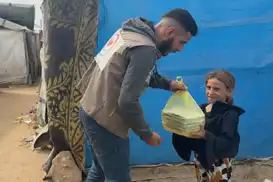
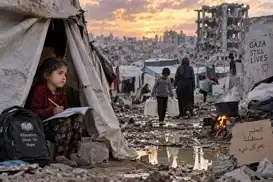
IFRC spokesperson Tommaso Della Longa said that approximately one in five people in Lebanon—around 1.2 million individuals—are currently displaced. Many are living in temporary shelters or tents with limited access to clean water and basic services.
“The ceasefire remains fragile. It has not restored homes or livelihoods, nor does it guarantee basic needs such as water, food, or healthcare,” he said.
Della Longa also warned that the IFRC’s emergency appeal for Lebanon is only 12.5% funded, raising concerns that critical aid programs could soon be scaled back at a time of growing need.
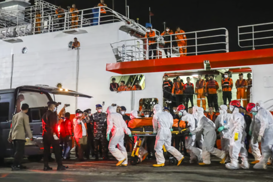
Humanitarian workers continue to operate under difficult and dangerous conditions. Della Longa emphasized that volunteers require greater protection and safer access as they carry out rescue and relief operations.
“The IFRC will continue to demand what should never have to be asked: respect and protection for humanitarian personnel,” he said.
Aid agencies are urging the international community to increase funding and ensure the ceasefire holds, warning that without immediate action, the already dire humanitarian situation in Lebanon could further deteriorate in the coming months. (ILKHA)
LEGAL WARNING: All rights of the published news, photos and videos are reserved by İlke Haber Ajansı Basın Yayın San. Trade A.Ş. Under no circumstances can all or part of the news, photos and videos be used without a written contract or subscription.

US President Donald Trump has denied ordering restrictions on Ukraine’s access to Starshield, a military-grade satellite communications service operated by SpaceX, after network limitations reportedly disrupted Kyiv’s ability to defend against Russian attacks.
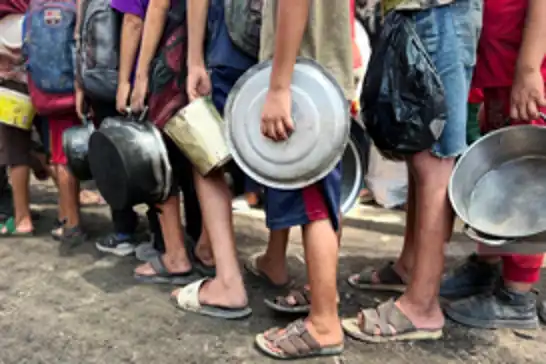
The humanitarian crisis in the Gaza Strip has reached catastrophic proportions, with Palestinian health authorities reporting that 466 people have died from hunger and malnutrition since 2024, including 157 children, as the territory marks another World Food Day under conditions of war, blockade and severe food shortages.
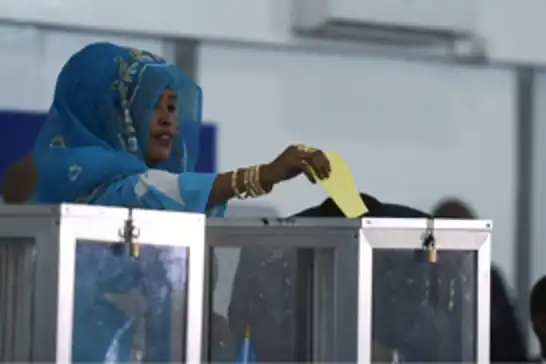
Somalia's National Independent Electoral and Boundaries Commission (NIEBC) has released the official timetable for the country's next national elections, announcing that parliamentary elections will be held on April 15, 2027, followed by the presidential election on May 15, 2027.

Ethiopia's federal government has announced the establishment of a six-month caretaker administration for the conflict-affected Tigray region, assigning it responsibility for restoring security, rebuilding public institutions and preparing the region for elections.