UNICEF warns El Niño threatens more than 162 million children in Africa
 13 oC
13 oC 
Güneşli

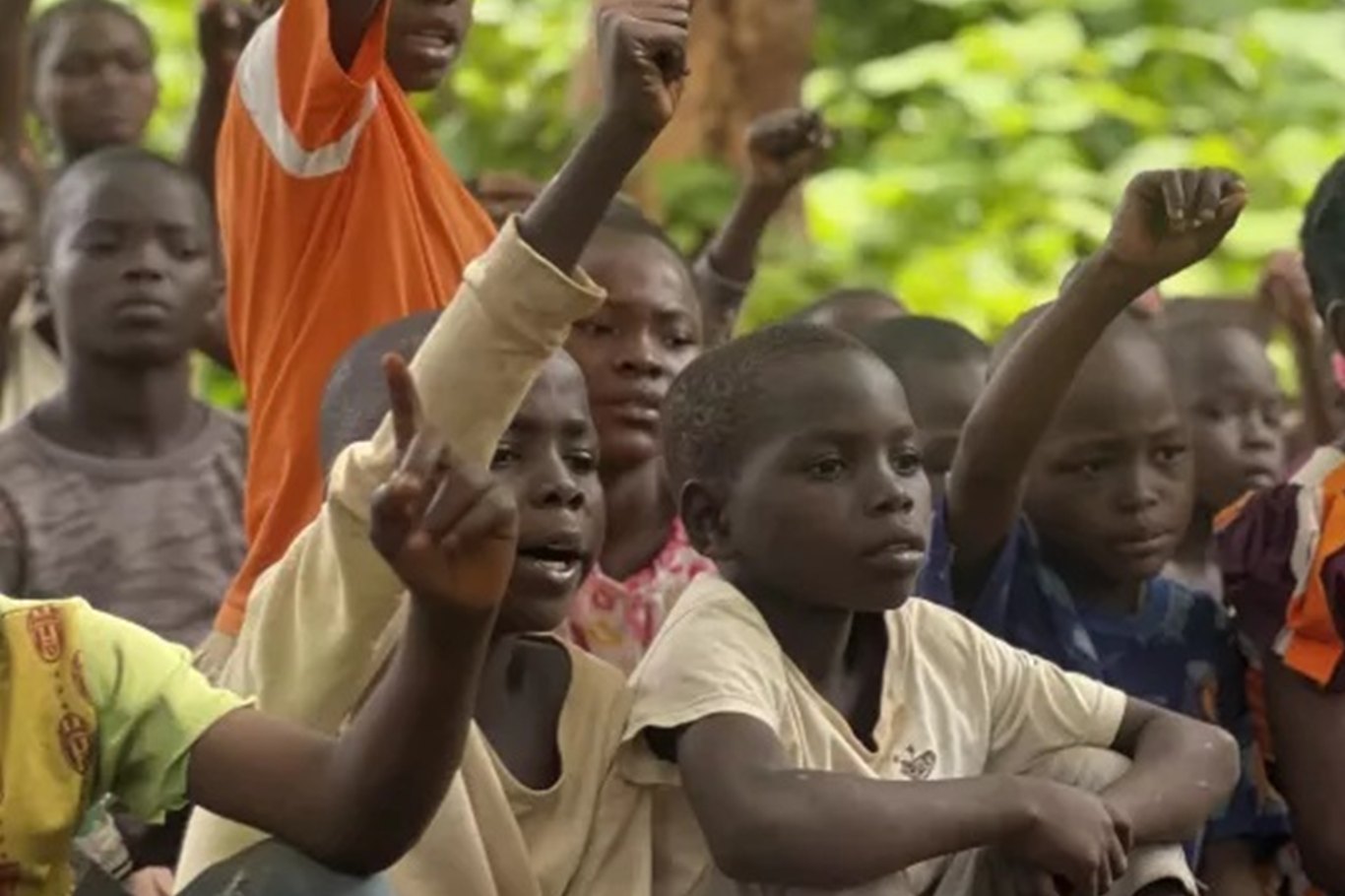
More than 162 million children, representing over two-thirds of all children in Eastern and Southern Africa, are living in areas exposed to the growing impacts of the 2026–2027 El Niño phenomenon, UNICEF warned.
The UN children’s agency said intensifying drought, extreme heat and flooding could severely affect children’s access to food, healthcare, clean water and sanitation, education and protection services. It urged governments, donors and humanitarian organizations to act before the worst effects of the climate phenomenon are felt.
“The threat from El Niño is growing, and the risks for children are already clear,” said Etleva Kadilli, UNICEF Regional Director for Eastern and Southern Africa.
Children across the region are already facing food and water insecurity, strained health systems and interruptions to education, Kadilli said, warning that additional major climate shocks could push vulnerable communities and essential services to breaking point.
Multiple countries face overlapping risks
UNICEF assessments have identified urgent and overlapping risks in Djibouti, Eritrea, Ethiopia, Kenya, Madagascar, Malawi, Mozambique, Somalia, South Sudan, Sudan, Uganda, Zambia and Zimbabwe.
In Somalia, severe flooding under the agency’s worst-case scenario mapping could directly affect up to 2.5 million people, potentially displacing families and disrupting children’s access to food, healthcare, safe water and education.
In Ethiopia, tens of thousands of children are expected to be affected, particularly in areas already experiencing severe food insecurity and high levels of vulnerability.
South Sudan faces a combination of drought, extreme heat and localized flooding that could further worsen food insecurity and malnutrition, increase the risk of disease outbreaks and compound existing risks of famine and large-scale displacement.
UNICEF warned that these climate-related threats could compound humanitarian crises already affecting millions of people across the region.
UNICEF urges early action
Despite the potentially severe consequences, UNICEF said less than 1% of international humanitarian assistance is currently available for anticipatory action — funding and measures taken before a disaster reaches its peak.
The agency is calling for immediate investment in several critical areas, including expanding nutrition services, pre-positioning lifesaving supplies and strengthening early screening and treatment for malnutrition.
It also urged greater support for health, water, sanitation and hygiene systems, including disease surveillance, vaccination campaigns and access to safe water.
UNICEF said preparations should also be made to protect children’s education by reinforcing school infrastructure and establishing safe alternative learning spaces before climate-related disruptions occur.
The agency further called for expanded measures to protect children from violence, exploitation and gender-based violence, including psychosocial support, family tracing and reunification services.
Another priority is strengthening shock-responsive social protection, including linking early-warning systems to anticipatory cash assistance and improving government systems so they can respond more effectively to future climate shocks.
$173 million needed for anticipatory response
UNICEF said it urgently requires $173 million, within its existing 2026 Humanitarian Action for Children requirements, to provide anticipatory and lifesaving assistance to children and families across the 13 priority countries.
The agency stressed that funding needs to arrive before the impacts of El Niño intensify, arguing that early and flexible financing can prevent humanitarian conditions from deteriorating further.
According to UNICEF, every $1 invested in disaster risk reduction can save up to $15 in future recovery costs, making early intervention not only a humanitarian priority but also a cost-effective approach to managing climate-related disasters.
“We know what is coming, which children are most at risk and how to protect them,” Kadilli said. “The choice is whether the world responds now, or waits until the crisis escalates, and children pay an even greater price.”
UNICEF warned that the coming months represent a narrow but critical window for action, with early preparations potentially preventing millions of children from being pushed deeper into hunger, disease, displacement and disruption to their education. (ILKHA)
LEGAL WARNING: All rights of the published news, photos and videos are reserved by İlke Haber Ajansı Basın Yayın San. Trade A.Ş. Under no circumstances can all or part of the news, photos and videos be used without a written contract or subscription.

Major General Mohsen Rezaei, Secretary of Iran’s Supreme National Security Council, has issued a strong warning to Washington, declaring that Iran’s evolving strategy will overcome the United States’ ongoing military aggression and economic warfare against the Islamic Republic.
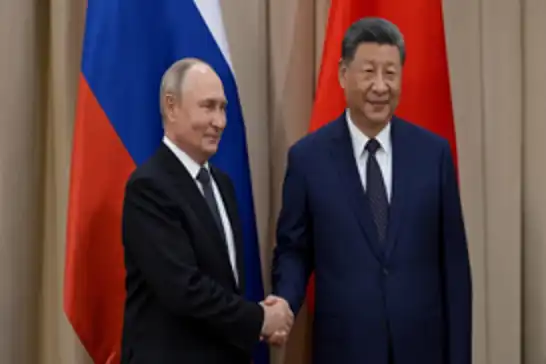
Russian President Vladimir Putin has renamed the planned natural gas pipeline linking Russia and China from Power of Siberia 2 to Power of Baikal, as Moscow moves closer to launching one of its largest energy export projects.
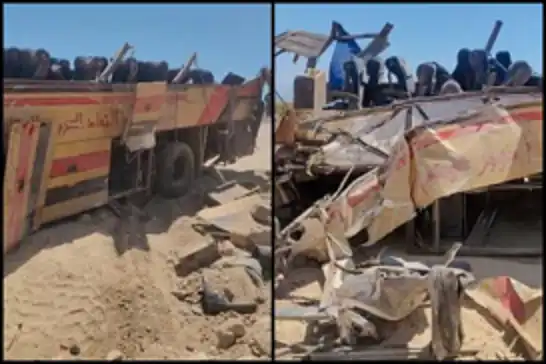
A passenger bus overturned on a road in Egypt’s South Sinai Peninsula on Wednesday, killing 16 people and injuring 28 others, Egypt’s Health Ministry said.