US and Iran close in on 14-point framework deal to end hostilities
 13 oC
13 oC 
Güneşli

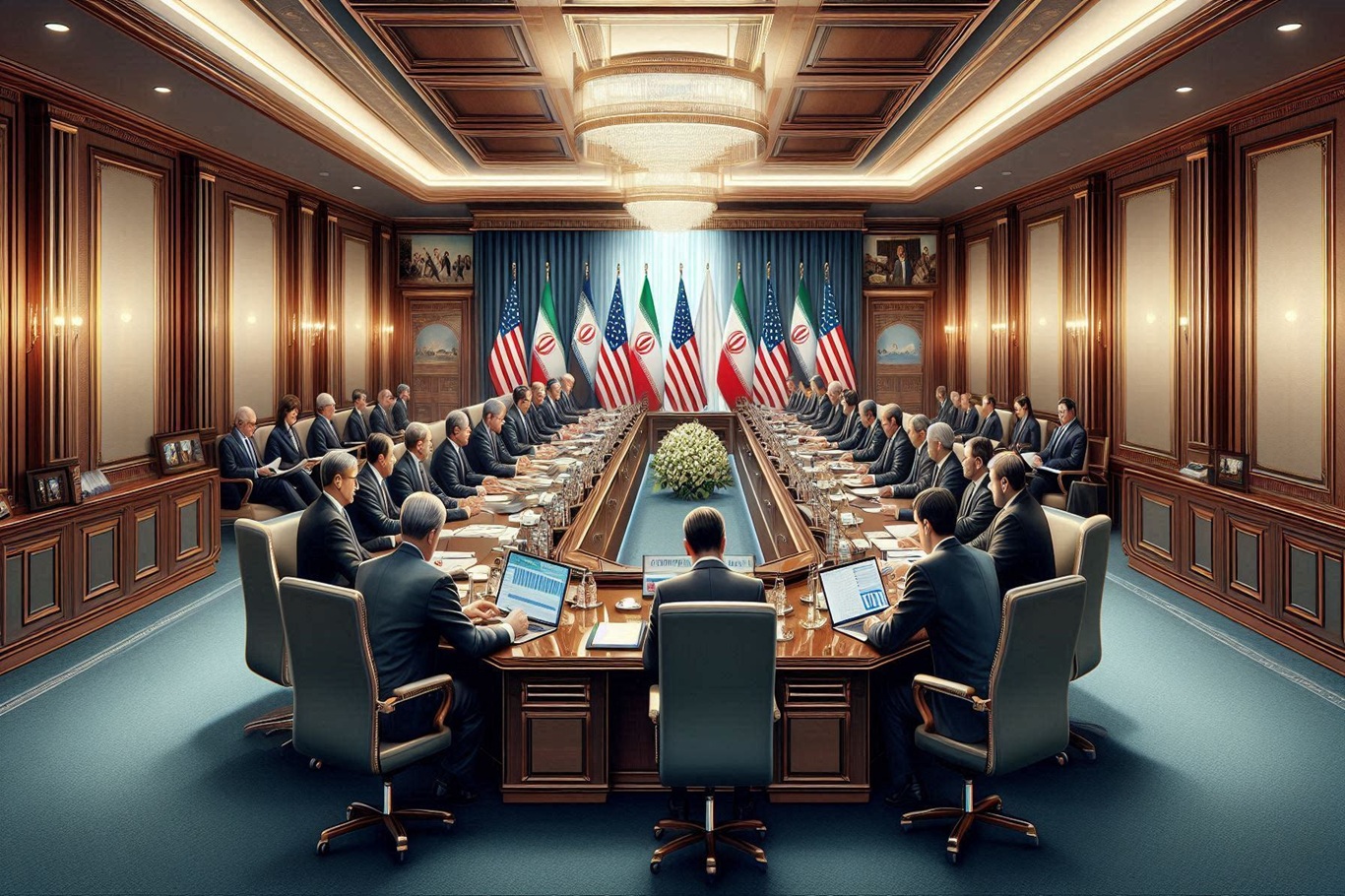
Diplomatic efforts between the United States and Iran have accelerated, with reports indicating the two sides are nearing agreement on a preliminary 14-point memorandum of understanding (MOU) aimed at halting current hostilities.
According to an Axios report citing U.S. officials, the White House is optimistic about reaching a preliminary understanding soon. A one-page MOU is reportedly being drafted, with Washington awaiting an Iranian response on key provisions within the next 48 hours. Sources described the framework as the closest the adversaries have come to a deal since the escalation of the conflict earlier this year.
The draft plan includes an official declaration ending hostilities, followed by a 30-day negotiation window during which Iran would begin restoring access through the Strait of Hormuz. It also proposes a long-term moratorium on Iran’s uranium enrichment activities, potentially lasting at least 12 years, after which Tehran would be permitted limited low-level enrichment.
Additionally, the framework calls for enhanced cooperation with United Nations nuclear inspectors and the possible relocation of Iran’s existing uranium stockpile to monitored facilities.
U.S. officials have stressed that Iran cannot retain its full enriched uranium stockpile, while Tehran continues to insist its nuclear program is for peaceful purposes.
Pakistani diplomatic sources, who have played a key mediating role, expressed confidence in rapid progress, with one telling Reuters: “We will close this very soon. We are getting close.”
The diplomatic momentum contributed to a sharp drop in oil prices today. Brent crude fell below $100–$108 levels (trading around the low $100s amid high volatility), while WTI also declined significantly as hopes for restored shipping through the critical chokepoint eased immediate supply fears.
This comes one day after President Trump announced a pause in “Project Freedom,” the U.S. operation to escort vessels out of the Strait of Hormuz. The blockade itself remains in force as leverage.
U.S. Secretary of State Marco Rubio has simultaneously pushed the United Nations for action, proposing a resolution calling on Iran to stop attacks on shipping, remove mines, and allow humanitarian relief. “If the international community can’t rally behind this and solve something so straightforward, then I don’t know what the utility of the UN system is,” Rubio stated.
Challenges RemainDespite the optimism, significant hurdles persist. Disagreements continue over the extent of sanctions relief, exact limits on enrichment, verification mechanisms, and maritime security arrangements in the Gulf. Past negotiation rounds have faltered at similar stages due to deep mistrust.
Analysts note that while a short-term framework could quickly ease pressure on global energy markets and stranded crews (estimated in the tens of thousands), a comprehensive deal addressing Iran’s nuclear program and regional security will require sustained diplomacy.
The situation remains fluid. Markets, diplomats, and global shipping companies are watching closely for confirmation of any breakthrough that could finally restore safe passage through the Strait of Hormuz — a waterway carrying roughly one-fifth of the world’s oil and LNG trade. (ILKHA)
LEGAL WARNING: All rights of the published news, photos and videos are reserved by İlke Haber Ajansı Basın Yayın San. Trade A.Ş. Under no circumstances can all or part of the news, photos and videos be used without a written contract or subscription.

Three migrants, including a 10-year-old child, died Monday after a small boat carrying more than 100 people encountered difficulties while attempting to cross the English Channel from northern France to the United Kingdom, French authorities said.

The death toll from severe flooding triggered by heavy monsoon rains in India's northern Uttar Pradesh state has risen to 81, while 62 others have been injured.
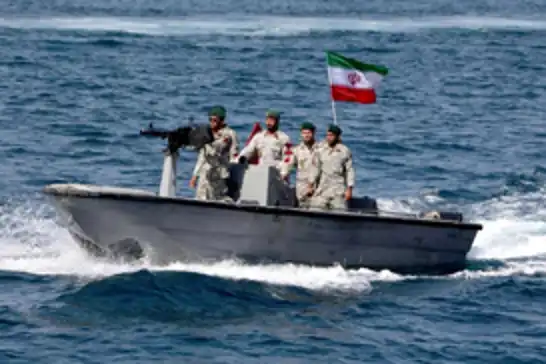
Eight US Marines were injured during an operation carried out by the Islamic Republic of Iran against a vessel in the Strait of Hormuz on September 14, according to reports.

Hundreds of Muslims gathered inside the historic Shahi Masjid in Ujjain, Madhya Pradesh, to oppose plans to remove part of the mosque as part of a road-widening project being carried out ahead of the 2028 Simhastha Kumbh pilgrimage.